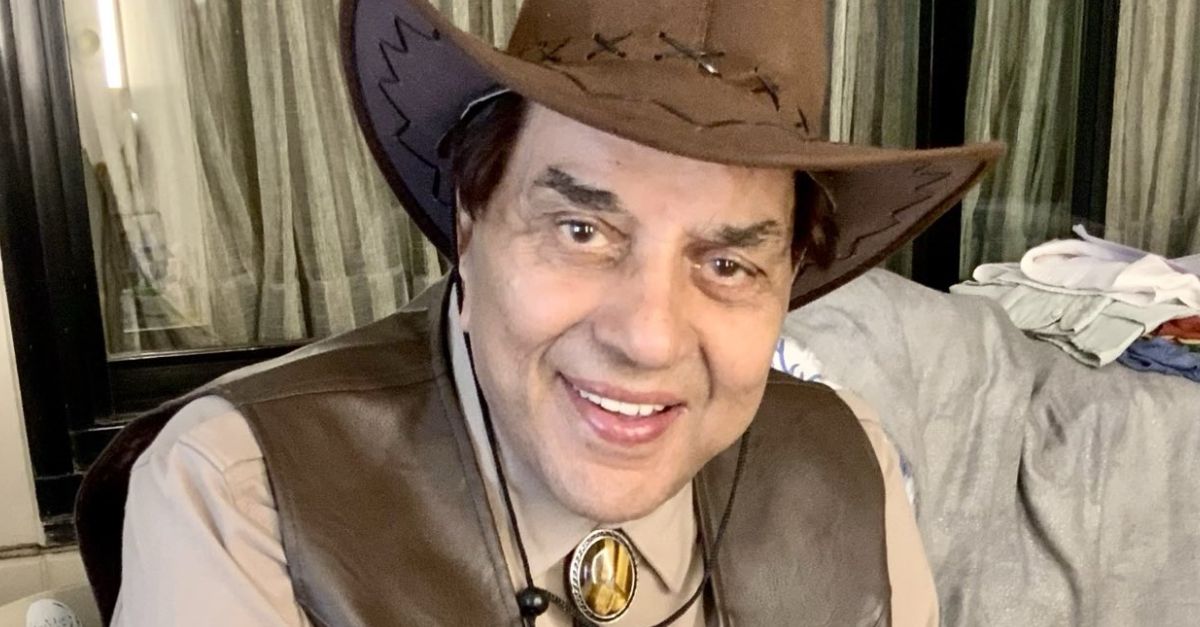
MUMBAI (Diya TV) — Dharmendra, one of Bollywood’s most beloved and iconic stars, died in Mumbai on Nov. 24 at age 89. The veteran actor had been dealing with age-related health issues. His death marks the end of a towering chapter in Hindi cinema, where he captivated millions for more than six decades.
India’s top leaders and film personalities mourned the star’s passing. Indian Prime Minister Narendra Modi said Dharmendra’s death “marks the end of an era in Indian cinema” and offered condolences to his family and fans. Indian President Droupadi Murmu called the loss “a great loss to Indian cinema.”
Filmmaker Karan Johar’s Dharma Productions shared a tribute collage and thanked the actor for “the magic he brought to the big screens.” Tributes poured in from actors across generations, with Akshay Kumar noting that Dharmendra was “the hero every boy wanted to be.”
His funeral took place privately under heavy security, attended by close family members and friends.
Dharmendra was born Dharam Singh Deol on Dec. 8, 1935, in Nasrali village in Punjab’s Ludhiana district. He grew up in a modest Jat Sikh family. His father worked as a school headmaster, and his mother encouraged him despite early doubts about his dreams.
He discovered films as a teenager and longed to act. When he won the nationwide Filmfare talent contest, he left behind work as a tubewell operator and moved to Bombay, now Mumbai. His debut came with the 1960 film Dil Bhi Tera Hum Bhi Tere. His sensitive performance in Bimal Roy’s Bandini (1963) won him early praise.
Dharmendra became a household name in the 1960s and 1970s. He starred in films across romance, drama, action, comedy, and thrillers. His lean, athletic frame and intense screen presence earned him the title “He-Man of Bollywood.” The 1966 film Phool Aur Patthar solidified his action image.
He showed his range in Hrishikesh Mukherjee’s Anupama and the comedy classic Chupke Chupke. Critics often praised his natural style and comic timing. His performances in Pratiggya, Mera Gaon Mera Desh, and Satyakam strengthened his reputation as a dependable lead.
Dharmendra reached the peak of his fame with the 1975 blockbuster Sholay. His role as Veeru remains one of Indian cinema’s most loved characters. Fans called him the “soul of Sholay,” and Dharmendra himself said he never played a better role.
Over his career, he appeared in more than 300 films. Songs filmed with him topped charts for decades. He acted opposite nearly every major actress of his era and built some of Bollywood’s most unforgettable on-screen pairings.
Dharmendra and Hema Malini became one of Bollywood’s most talked-about couples. Their chemistry in hits like Seeta Aur Geeta and Raja Jani won over audiences. The two married in 1980 and remained one of the industry’s most admired partnerships. He also had a family with his first wife, Prakash Kaur.
Though fans adored his good looks, Dharmendra often brushed aside the praise. He said he owed everything to “nature, my parents, and my genes.”
He also served as a BJP MP from Bikaner from 2004 to 2009. He later admitted politics did not suit him and called himself “too emotional” for the field.
Despite his popularity, Dharmendra did not chase stardom or awards. He said he valued love from audiences more than trophies. Filmfare gave him its Lifetime Achievement Award in 1997. In 2012, the Indian government honored him with the Padma Bhushan.
He continued to work into his late years. He teamed up with his sons, Sunny and Bobby Deol, in Apne (2007). His appearance in Rocky Aur Rani Kii Prem Kahani (2023) earned warm praise from younger audiences.
Dharmendra often described himself as “a simple man.” He remained grounded despite decades of fame. He said he came to Mumbai only for “people’s love,” and he cherished the affection he received throughout his life.
Dharmendra leaves behind a vast family, a monumental film legacy, and millions of grieving fans. His films, charm, and warmth will continue to shape Bollywood for generations.