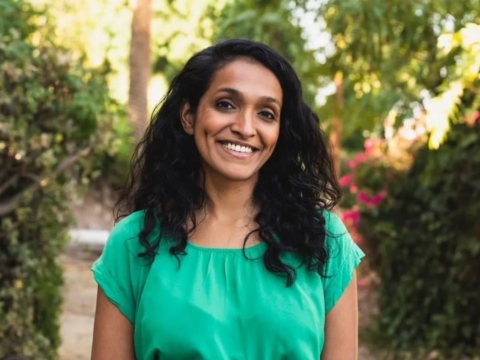
NEW YORK (Diya TV) — Jenifer Rajkumar is calling for $54.35 million in dedicated funding for Asian American and Pacific Islander communities in the fiscal year 2027 New York state budget. The Queens Democrat made the push on February 17 during a rally organized by the AAPI Equity Budget Coalition. She said state funding must reflect the rapid growth and needs of AAPI residents across New York.
“Representation matters. But representation without resources is not enough,” Rajkumar told the crowd.
Rajkumar urged state leaders in Albany to approve $54.35 million in targeted funding for AAPI programs. The proposal would support community-based organizations, language access services, mental health programs, and anti-hate initiatives.
“We don’t just want a seat at the table,” she said. “We want resources at the table to fund back to our communities, to fund the incredible heroes of our community.”
Rajkumar later shared a video of her remarks on X. In her post, she rejected symbolic gestures and small allocations. “We are DONE being invisible. We are America,” she wrote. The proposed funding increase comes as lawmakers negotiate the state budget ahead of the new fiscal year, which begins in April 2026.
Rajkumar framed the funding push as a response to both demographic growth and ongoing challenges. She described Asian Americans as the fastest-growing ethnic group in the United States. She also pointed to a prior 300% surge in hate crimes targeting AAPI individuals. She called that rise unacceptable and said the state must act.
“We are here to fight back,” Rajkumar said. “Albany, we have arrived. We are calling for real programs, real dollars, and real impact. Let’s get it done.”
The AAPI community in New York has grown steadily over the past decade. Queens, Brooklyn, and parts of Manhattan have seen large increases in Asian American residents. Advocates say this growth requires stronger public investment in culturally competent services.
Rajkumar highlighted grassroots groups in neighborhoods such as Richmond Hill in Queens and Sunset Park in Brooklyn. She described these organizations as “the engines of those communities.”
Many of these nonprofits provide essential services. They offer food assistance, senior programs, youth mentorship, immigration support, and language translation. Advocates say demand for these services has increased since the pandemic. Rajkumar said elected officials from underrepresented communities have helped shift budget priorities in recent years. She pointed to gains in language access programs, culturally competent health care,e and funding for Asian American nonprofits.
“Because of us standing here, many of us, the first of our communities ever elected, we are no longer invisible,” she said. “We are seen. We are heard. And every year, our share of the budget grows larger and larger.”
The AAPI Equity Budget Coalition includes more than 150 organizations across New York state. The network advocates for expanded funding for senior services, mental health care, anti-hate programs, and workforce development. Coalition leaders say the $54.35 million request reflects the scale of need in AAPI communities. They argue that funding levels have not kept pace with population growth or rising costs.
Supporters also stress the importance of language access. Many Asian American residents speak languages other than English at home. Without translation services, families can struggle to access health care, housing assistance, and legal support. Mental health remains another priority. Community leaders say stigma and cultural barriers often prevent people from seeking care. They believe increased funding could help nonprofits expand outreach and culturally responsive services.
New York state lawmakers continue to negotiate the fiscal year 2027 budget. The final agreement will determine how much funding AAPI programs receive. Rajkumar said she will keep pushing for the full $54.35 million allocation. She framed the fight as part of a broader push for equity and visibility.
“This is about fairness,” she said. “This is about making sure our communities get what they deserve.”