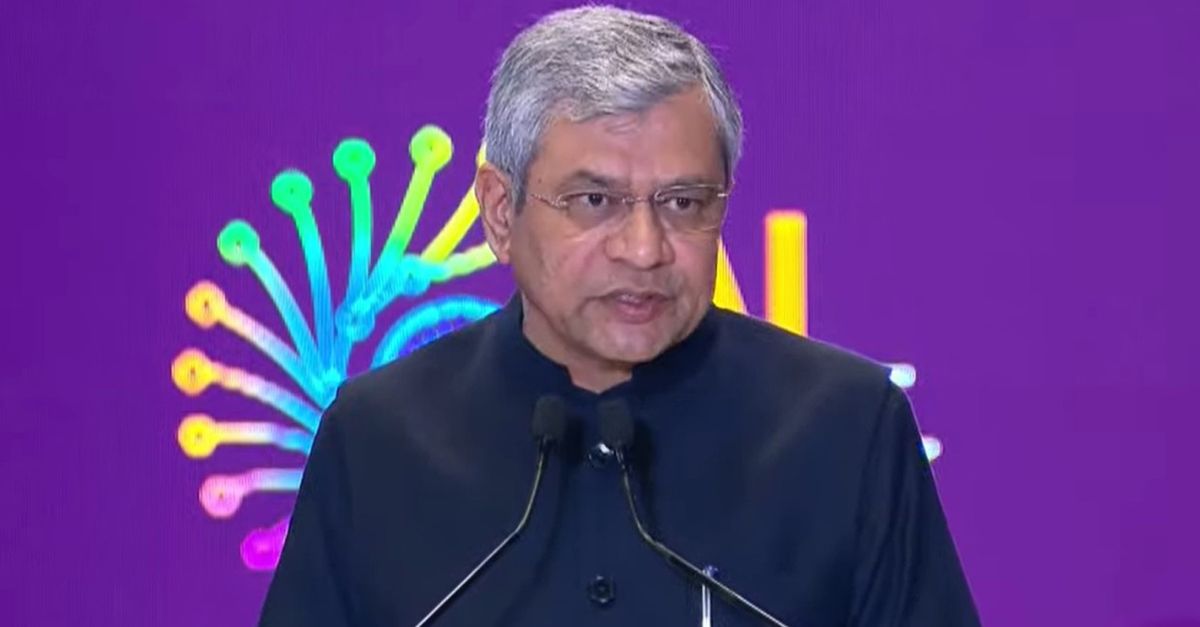
NEW DELHI (Diya TV) — The Indian government is in talks with major social media companies about possible age-based restrictions, signaling a potential shift in how one of the world’s largest internet markets regulates online platforms. Information Technology Minister Ashwini Vaishnaw said Tuesday that officials are discussing new safeguards aimed at protecting children online. He spoke at the AI Impact Summit in New Delhi.
“This is something which has now been accepted by many countries, that age-based restrictions have to be there,” Vaishnaw said during a press conference.
He added that the government is also in talks with platforms about the growing threat of deepfakes. Officials are studying “the right way” to bring in regulation, he said. He did not name the companies involved in the discussions.
India has not announced a final decision. But Vaishnaw’s remarks mark one of the clearest public signals yet that New Delhi may tighten social media rules for minors. India has more than 1.4 billion people. It ranks as one of the largest digital markets in the world. Any new restrictions could reshape how global tech giants operate in the country.
Several countries have already moved to limit children’s access to social media. Australia became the first to pass a law banning children under 16 from accessing major social media platforms. Lawmakers there argued that platforms expose children to harmful content and online bullying.
Other nations have followed with similar proposals. Denmark approved rules blocking children under 15 from social media. Spain said it would ban users under 16 from joining such platforms. India now appears to be studying these models as it shapes its own approach.
Vaishnaw said the government is also discussing deepfakes with social media firms. Deepfakes use artificial intelligence to create realistic but fake images, videos, or audio clips. Experts warn that such content can mislead voters, harm reputations, and spread false information. India has faced several high-profile deepfake cases in recent years. Lawmakers have raised concerns about their impact on public trust and national security.
The government wants platforms to take stronger action against harmful content, including manipulated media. Officials are weighing regulatory tools that balance innovation with safety. The minister did not share details about what age limits India might adopt. He also did not say how the government would enforce the rules.
Any crackdown in India could have a major impact on global technology companies. Meta operates some of the country’s most popular platforms, including Facebook, WhatsApp, and Instagram. Hundreds of millions of Indians use these services daily. Google also has a strong presence through YouTube, which ranks among India’s top video apps.
India’s large youth population makes it a critical growth market for these firms. Age-based social media restrictions could require companies to verify users’ ages more strictly. That step could change how users sign up and access content.
Tech companies have often argued that parental controls and digital literacy offer better solutions than blanket bans. Critics of age limits say strict rules may push children to less regulated platforms. Supporters, however, say governments must act to protect minors from cyberbullying, addiction, and harmful content.
India has positioned itself as a leader in digital innovation. The country has expanded internet access and promoted digital payments and online services. At the same time, it has introduced stricter rules for tech firms in areas such as data protection and online content moderation. The government now faces the challenge of balancing child safety with free expression and business growth.
Vaishnaw said officials are still evaluating options. He stressed that conversations with social media companies are ongoing. The government aims to design rules that fit India’s needs while keeping pace with global trends. For now, India’s discussions signal that the debate over social media regulation is far from over. As countries around the world rethink how to protect children online, India’s next move could shape the future of digital platforms for millions of young users.