BENGALURU, India (Diya TV) — Two Indian startups are aiming to redefine space technology and artificial intelligence by sending computing power into orbit. Space tech firm Pixxel and AI startup Sarvam AI have announced a partnership to build India’s first orbital data center satellite, called Pathfinder. The mission marks a major step toward processing data directly in space instead of relying on Earth-based infrastructure. The companies plan to launch the satellite in late 2026.
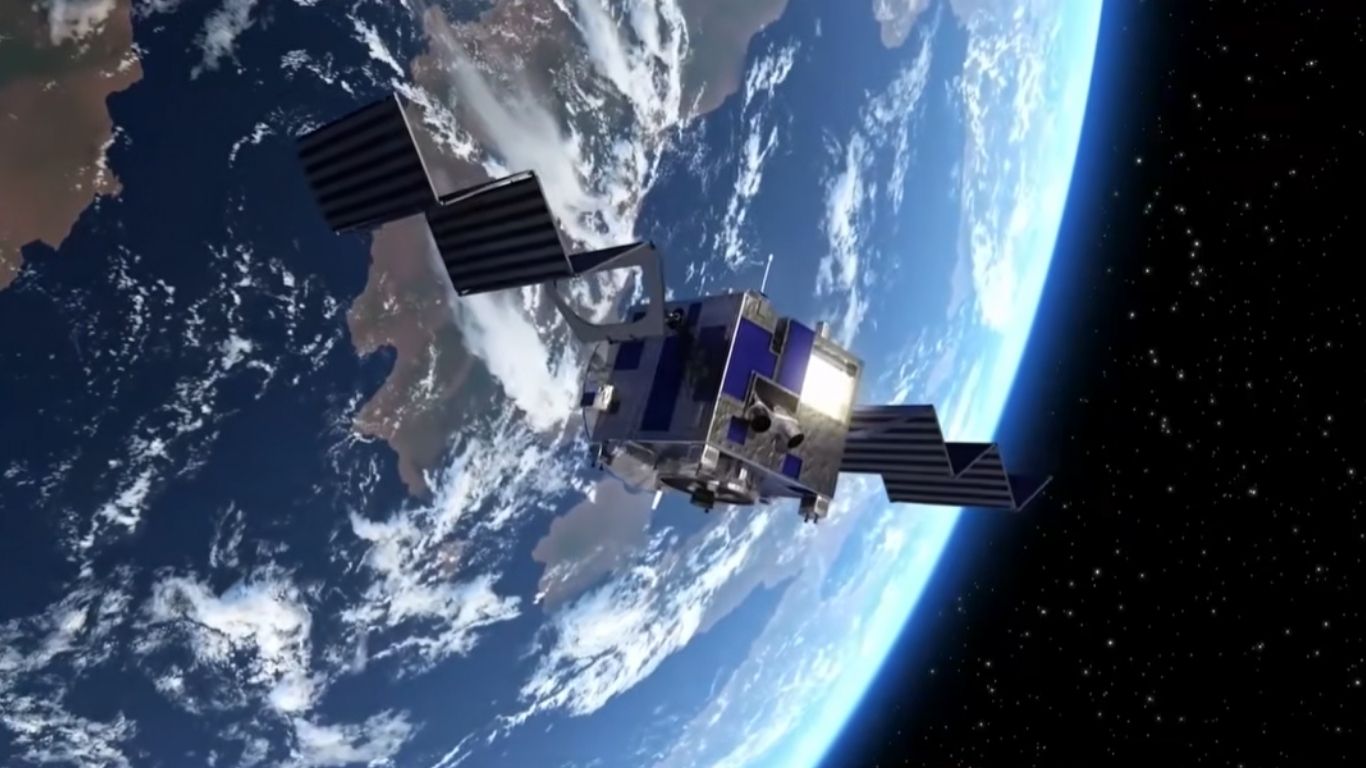
Pathfinder will be a 200-kilogram-class demonstrator satellite. It will combine high-performance computing with advanced Earth observation tools. Unlike traditional satellites, it will not just capture images, it will also analyze them in real time using artificial intelligence.
Most Earth observation satellites today collect large volumes of data then send that data back to ground stations for processing. This process often creates delays and requires significant bandwidth. Pathfinder aims to solve these challenges as it will carry powerful GPUs similar to those used in modern data centers. These processors will work alongside hyperspectral cameras to analyze data directly in orbit. Instead of transmitting terabytes of data, Pathfinder will send only the final results back to Earth.
This approach can support faster decision-making in several sectors. It can help detect crop diseases early, monitor pollution, and assess the impact of natural disasters. It can also identify minerals and track environmental changes. The system will rely on AI models developed by Sarvam AI. These models will handle both training and inference in orbit, which means the satellite can continuously improve its performance while in space.
One key advantage of orbital data centers is access to solar energy. Pathfinder will use space-based solar power to run its systems.
With fewer data transfers required, the system will lower bandwidth usage and reduce latency. The mission is strategically important for India as it advances the goal of building an independent AI ecosystem by keeping data processing and infrastructure under national control, reducing reliance on foreign systems.
Pixxel has already made progress in Earth observation. The Firefly constellation includes six operational satellites. These satellites provide high-resolution imaging across more than 135 spectral bands, allowing frequent and detailed monitoring of the planet.
If successful, Pathfinder could lead to larger constellations of space-based data centers. These systems could support real-time global monitoring and advanced analytics. The concept also opens new possibilities for sustainable computing. By moving energy-intensive processes into space, companies can reduce the environmental impact of data centers on Earth.