NEW DELHI (Diya TV) — Rising tensions between nuclear-armed neighbors India and Pakistan have sparked fears of a wider conflict after Pakistan conducted a second missile test within three days and India initiated security drills across several states.
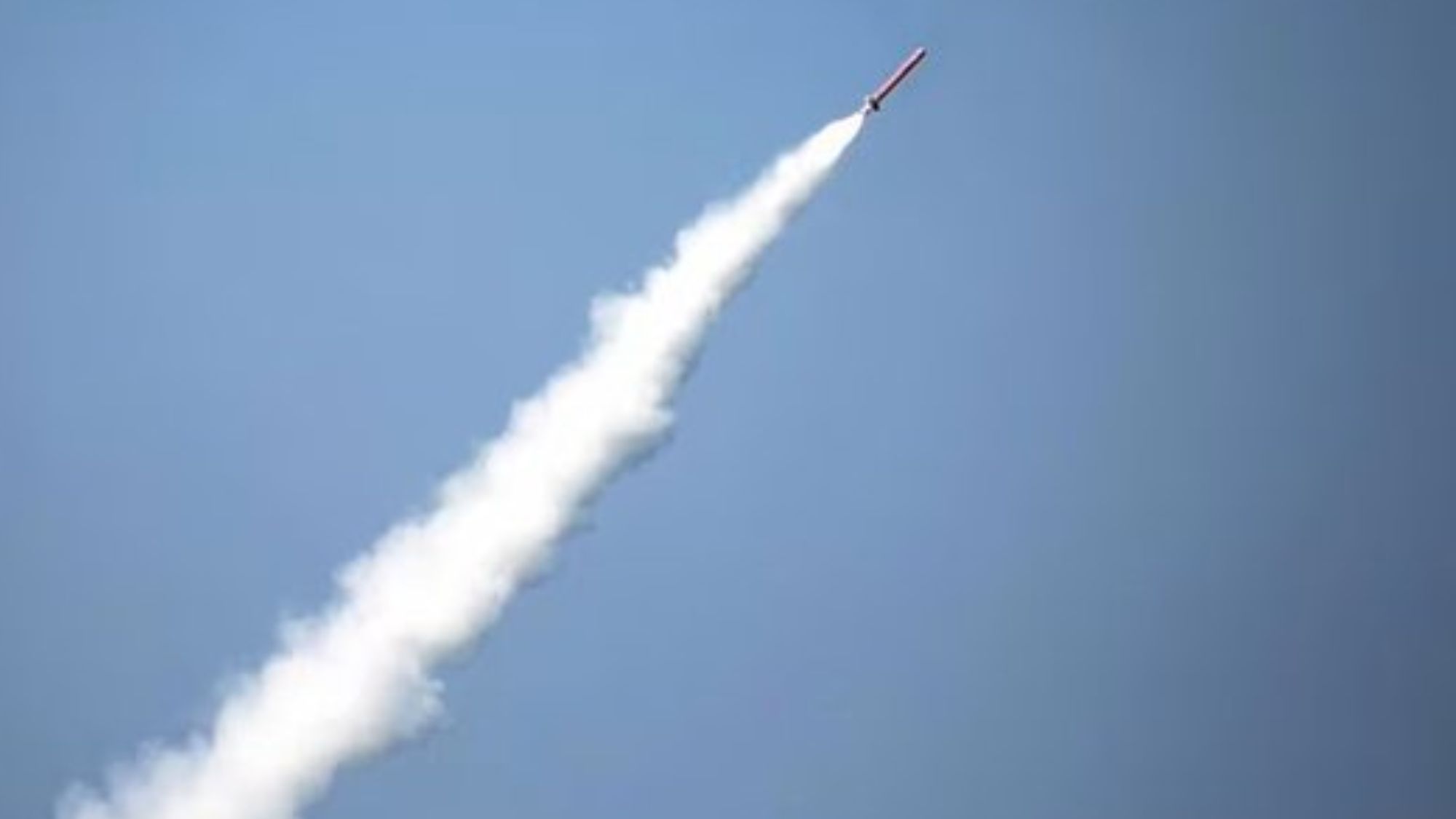
On May 5, Pakistan’s military confirmed the successful launch of a Fatah-series surface-to-surface missile with a range of 120 kilometers (75 miles), marking the second test since May 3. The earlier test involved the Abdali ballistic missile, capable of striking targets up to 450 kilometers away. Prime Minister Shehbaz Sharif praised the tests, declaring according to a Reuters report that they demonstrated Pakistan’s military readiness and that the country’s “defense is in strong hands.”
These developments come in the wake of a deadly terror attack on April 22 in the Indian-administered region of Kashmir. Gunmen killed 26 Hindus, making it the deadliest attack on civilians in India in nearly two decades. New Delhi swiftly blamed Islamabad, which has denied any role. Pakistan, in turn, claimed it has intelligence indicating that India is preparing for military action.
India has responded by taking precautionary measures. The country’s Ministry of Home Affairs has instructed several states to conduct mock security drills on May 7 to improve civil preparedness. According to a government source quoted by Reuters, these exercises will include air raid sirens, evacuation procedures, and public safety training. While officials have not publicly linked the drills to the current situation with Pakistan, the timing has fueled speculation.
In a clear sign of deteriorating diplomatic relations, both nations have shut down land borders, suspended bilateral trade, and closed their airspace to each other’s commercial airlines. Minor cross-border exchanges of small-arms fire have already been reported in Kashmir, further heightening concerns.
The latest escalation is also drawing international attention. Moody’s Investor Service issued a warning on May 5 that prolonged tension could derail Pakistan’s fragile economic recovery, which has been underpinned by a $7 billion bailout from the International Monetary Fund. Moody’s noted that “sustained escalation… would likely weigh on Pakistan’s growth and hamper the government’s ongoing fiscal consolidation.” The report also stated that India is unlikely to face major economic disruption due to limited bilateral trade but acknowledged that increased defense spending could strain its fiscal plans.
Amid mounting fears of confrontation, international powers have urged restraint. Iranian Foreign Minister Hossein Amir-Abdollahian visited Islamabad on Monday and is scheduled to meet Indian officials later this week, offering to mediate between the two countries.
Meanwhile, Russia voiced concern and reiterated its commitment to both nations. President Vladimir Putin condemned the Kashmir attack in a call with Indian Prime Minister Narendra Modi and pledged support for India’s fight against terrorism, according to a statement from India’s Ministry of External Affairs posted on X.
The military face-off is also emerging as a proxy battleground for Western and Chinese defense technologies. Since their brief 2019 conflict, both nations have rapidly modernized their arsenals. India has acquired 36 French-made Rafale fighter jets and deployed Russian-made S-400 air defense systems. Pakistan has countered with Chinese J-10C jets, armed with long-range PL-15 missiles, and HQ-9 air defense systems sourced from Beijing.
Drone warfare is another area of competition. India has added Israeli Heron Mark 2 drones and is awaiting U.S.-made Predator drones, while Pakistan has incorporated Turkish Bayraktar TB2 and Akinci drones — both of which have seen use in recent global conflicts.
As the crisis deepens, Pakistan has stated its intention to formally raise the matter with the United Nations Security Council, urging the international body to take action to preserve peace and security in the region.
While both sides have maintained a combative stance publicly, the absence of diplomatic engagement and the acceleration of military posturing are raising alarms among global observers. For now, the subcontinent watches and waits — armed, wary, and on edge.