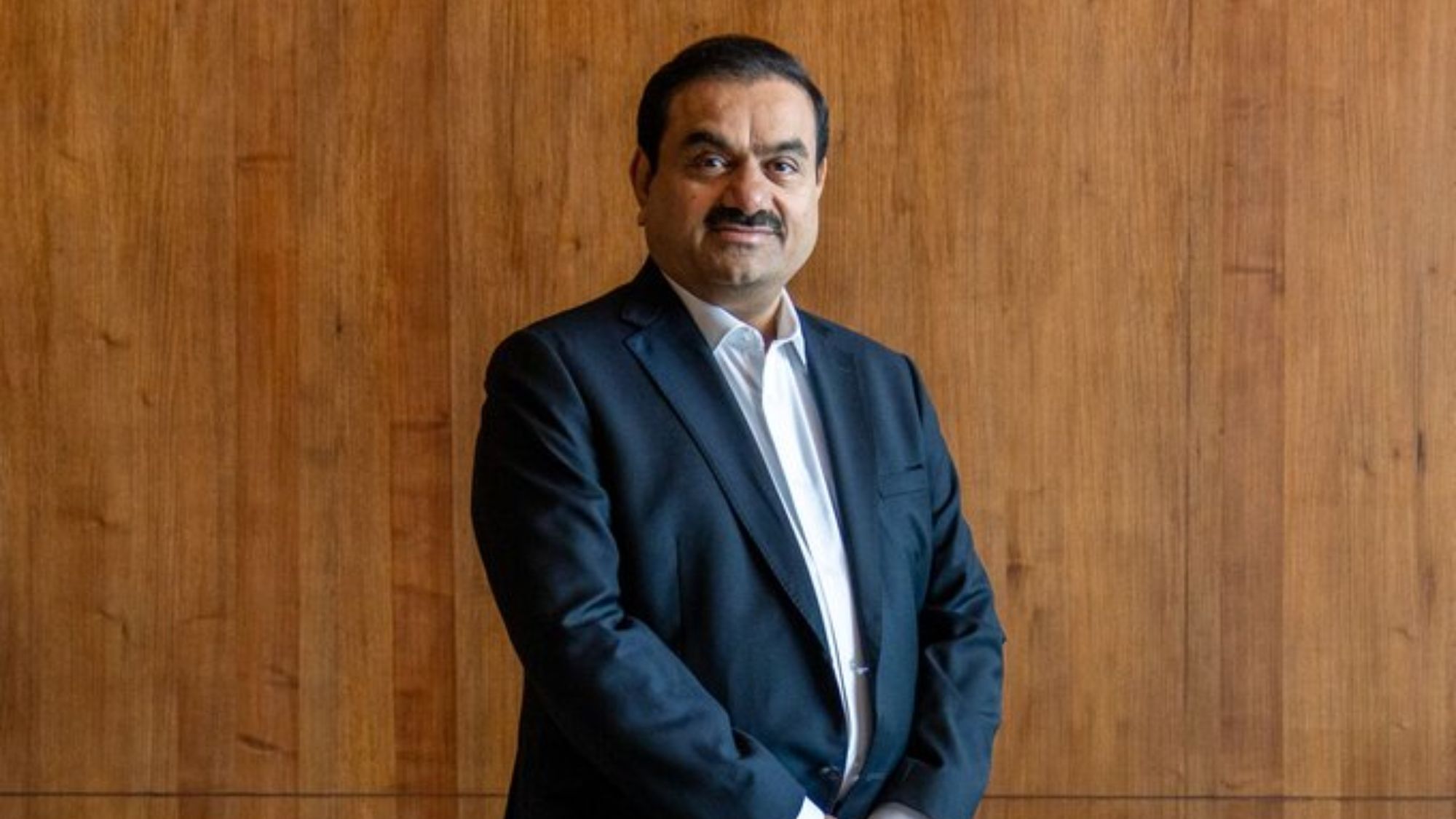
WASHINGTON (Diya TV) — Representatives of Indian billionaire Gautam Adani have held multiple meetings with senior officials in President Trump’s administration, seeking to dismiss criminal charges stemming from a U.S. bribery investigation, according to a report by Bloomberg News.
The charges originate from a November 2024 indictment in which U.S. authorities accused Adani and his nephew, Sagar Adani, of bribing Indian officials to secure energy supply contracts and misleading American investors during a $750 million bond issuance by Adani Green Energy in the United States.
The U.S. Securities and Exchange Commission (SEC) alleges the Adanis provided false antibribery compliance information during the offering. Sources familiar with the matter told Bloomberg that discussions between Adani’s representatives and Trump administration officials began earlier in 2025 and have gained momentum in recent weeks.
The goal of the meetings is to argue that pursuing the case does not align with the policy priorities of Trump’s administration and should therefore be reconsidered. The Bloomberg report also noted that if negotiations continue progressing at the current pace, a potential resolution could be reached within a month.
However, representatives from the Adani Group, the U.S. Department of Justice (DOJ), and the White House have all declined to comment on the ongoing discussions, as reported by Bloomberg and Reuters.
Following the public announcement of the indictment in November, the Adani Group has faced significant financial fallout. According to Reuters, the group has seen a market capitalization loss of approximately $13 billion across its nine publicly listed companies.
In response to the indictment, Adani Green Energy issued a statement in late March asserting that its internal review found no evidence of compliance violations or irregularities. The company emphasized its commitment to transparency and regulatory adherence.
The SEC, in its complaint, alleged that Gautam Adani and his nephew made “substantial” payments to Indian officials to influence the awarding of power supply contracts. Additionally, the commission claimed that the Adani Group misled investors in the United States by submitting inaccurate compliance documents related to anti-bribery standards during its fundraising efforts.
Legal analysts say the high-stakes discussions underscore the complexities of international corporate governance and the geopolitical weight of prosecuting a foreign billionaire with deep economic influence.
If the Trump administration were to intervene or influence the case, it could set a precedent for how U.S. foreign bribery laws are applied—or not—in politically sensitive scenarios.
Although neither the DOJ nor the SEC has made any public indication of dropping or modifying the charges, the current talks highlight the potential for behind-the-scenes diplomatic and legal maneuvering.
As of now, no formal decisions have been made, and the case remains active. With mounting financial and reputational pressure on the Adani Group, observers are closely watching whether the billionaire’s legal team can secure any concessions from Washington that could alter the course of the case.