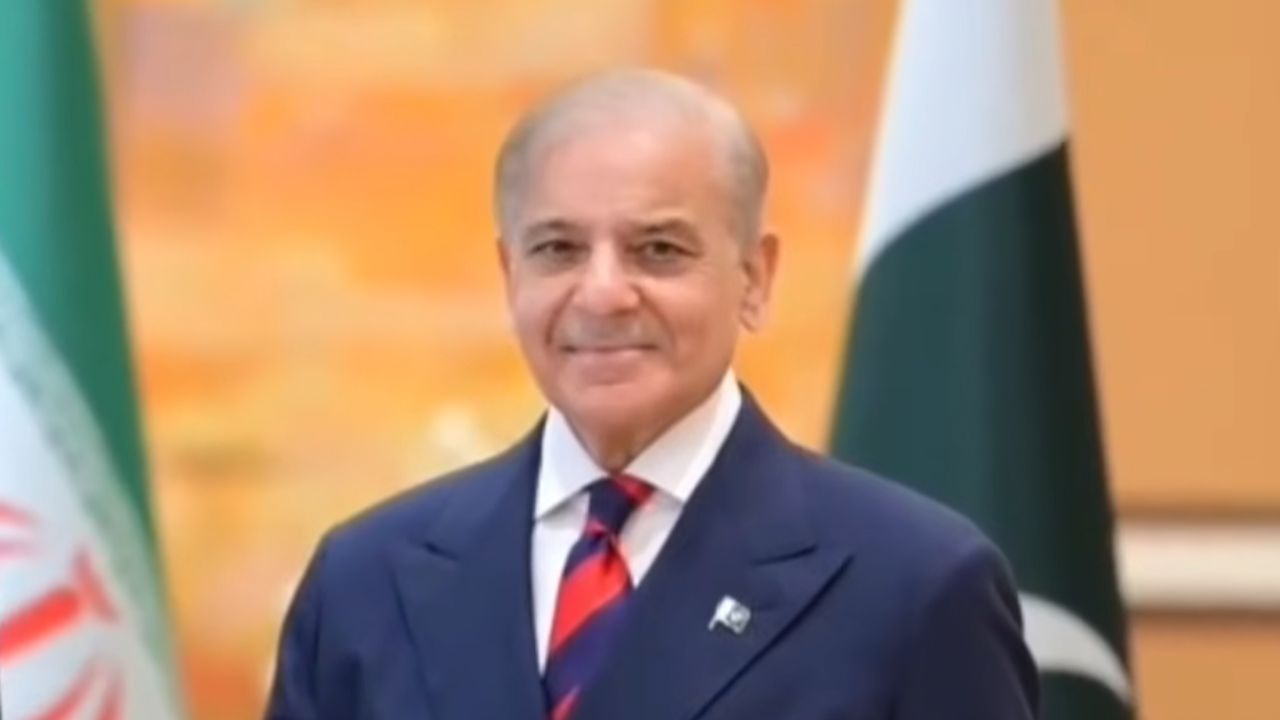
ISLAMABAD, Pakistan (Diya TV) — Pakistan Prime Minister Shehbaz Sharif said a final, agreed-upon text for a U.S.-Iran peace deal has been reached, marking a major diplomatic breakthrough that could ease tensions in the Middle East and stabilize global energy markets.
Sharif announced the development while emphasizing Pakistan’s role as a key mediator in the negotiations. He also warned that misinformation campaigns continue to threaten the peace process at a critical stage.
The announcement comes after weeks of uncertainty, military tensions and disruptions in the Strait of Hormuz, one of the world’s most important energy shipping routes. The waterway handles a significant share of global oil exports and serves as a vital corridor for international trade.
Sharif shared the update in a post on X, saying Pakistan had worked intensively with both sides to help move the negotiations forward.
“Amid ongoing intense mediation efforts by Pakistan, we are fully aware of an incessant misinformation campaign being waged by those who want to sabotage the peace deal,” Sharif wrote. He added that a final text had been agreed upon and that Pakistan was now coordinating with both parties to determine the next steps.
“Peace has never been this close as it is now,” he said. The statement provides one of the clearest indications yet that diplomatic efforts between Washington and Tehran may be nearing a successful conclusion.
Sharif did not identify the actors behind the alleged misinformation campaign. However, his comments have fueled speculation about which regional players may oppose the agreement.
Pakistan has previously accused Israel of attempting to disrupt peace initiatives involving Iran. While Sharif did not directly mention Israel in his latest remarks, some analysts believe his comments were aimed at parties that view a U.S.-Iran agreement as a threat to their strategic interests. The accusations come as tensions remain high across the region. Any effort to derail negotiations could complicate the path toward a formal agreement and lasting stability.
The reported completion of a peace deal text has raised expectations that disruptions in the Strait of Hormuz could soon come to an end. Recent tensions have affected shipping activity in the area, increasing uncertainty in global energy markets. Concerns over supply disruptions have pushed oil prices higher and created challenges for businesses that depend on reliable trade routes.
A successful agreement could help restore confidence among energy producers, shipping companies, and investors. The reopening of maritime routes would allow oil shipments to move more freely through the Persian Gulf. That could improve supply conditions and reduce fears of future disruptions.
Energy analysts have closely monitored developments in the region because of their impact on oil prices. A sustained reduction in tensions could lead to more stable energy supplies and lower fuel costs worldwide. Brent crude prices have remained sensitive to developments in the Middle East due to the region’s importance in global oil production.
Lower geopolitical risks could also reduce freight charges and insurance costs for cargo vessels traveling through the Persian Gulf. Trade-dependent economies stand to gain from improved shipping conditions. Countries such as India, which rely heavily on imported energy and international trade, could benefit from lower transportation costs and more predictable supply chains.