RAWALPINDI, Pakistan (Diya TV) — Pakistan has publicly acknowledged the impact of Indian military strikes during the May conflict for the first time in detail, even as it seeks urgent financial relief from key allies. The admission came from Deputy Prime Minister and Foreign Minister Ishaq Dar, who confirmed that Indian drones hit the strategically vital Nur Khan airbase near Islamabad during India’s Operation Sindoor.
Dar’s remarks coincided with reports that the United Arab Emirates plans to buy shares in Pakistan’s Fauji Foundation to help Islamabad meet a $1 billion external repayment. He also said the UAE has assured a $2 billion rollover of existing debt, providing temporary breathing room to Pakistan’s strained economy.
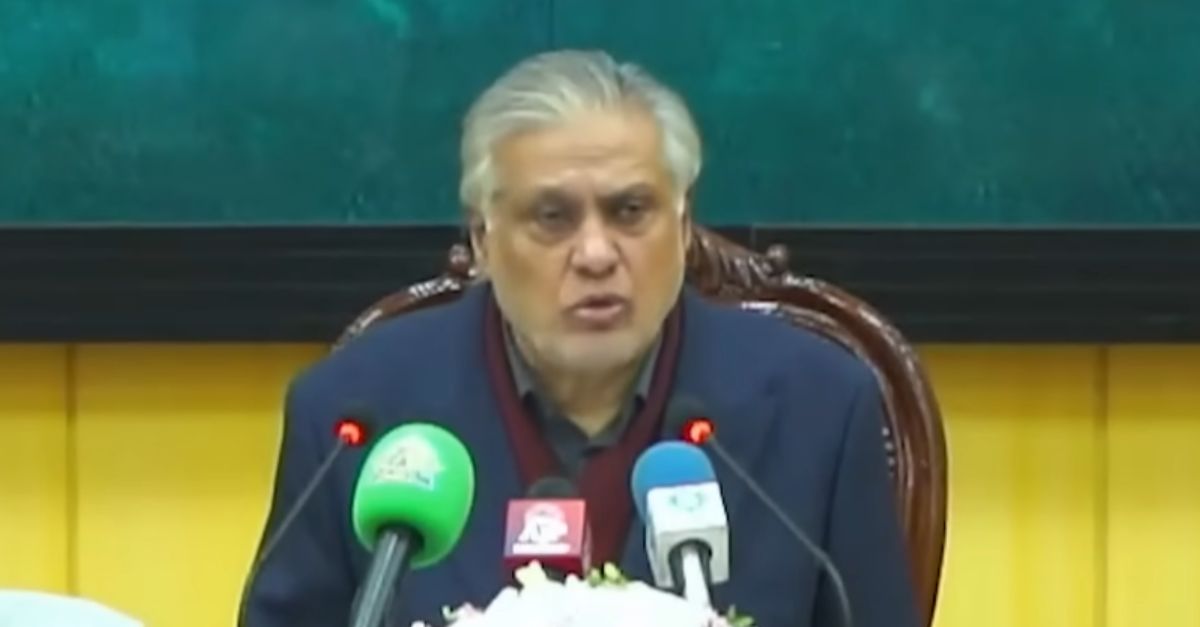
Speaking at a year-end press briefing last week, Dar said Indian forces launched an intense drone campaign against Pakistan in early May. He stated that at least 80 drones crossed into Pakistani airspace within 36 hours.
“We were able to intercept 79 drones out of 80,” Dar said. He confirmed that one drone struck the Nur Khan airbase in Rawalpindi’s Chaklala area, damaging facilities and injuring military personnel.
Nur Khan airbase sits less than 25 kilometers from Islamabad and hosts critical Pakistan Air Force assets. Its proximity to the capital makes it one of Pakistan’s most sensitive military installations. Dar described the strike as a turning point that triggered Pakistan’s retaliation on May 10, escalating the four-day conflict between the nuclear-armed neighbors.
India launched Operation Sindoor in the early hours of May 7, 2025. New Delhi said the operation aimed to avenge the April 26 massacre of 26 civilians by terrorists in Pahalgam, in Indian-administered Jammu and Kashmir.
The brief conflict involved drone attacks, air engagements, and missile strikes. Until now, Pakistan had downplayed the scale of damage caused by Indian operations. Dar’s comments mark a notable shift from Islamabad’s earlier narrative. Satellite images released in recent weeks show reconstruction work underway at the Nur Khan airbase, reinforcing claims of damage from the May strikes.
Dar denied that Pakistan sought international mediation during the conflict. He said U.S. Secretary of State Marco Rubio and Saudi Foreign Minister Prince Faisal bin Farhan initiated contact on their own.
According to Dar, Rubio called him around 8:17 a.m. on May 10 and conveyed that India was ready for a ceasefire. Dar said Pakistan agreed because it never wanted a full-scale war. He added that Prince Faisal later sought permission to speak with New Delhi and confirmed that both sides had accepted a ceasefire. India has not publicly commented on Dar’s version of events.
Dar also claimed that Pakistan shot down seven Indian fighter jets during air combat on May 7. He did not provide evidence to support the claim. Indian officials have not acknowledged any such losses. Pakistan continues to maintain that long-term peace in South Asia depends on resolving the Jammu and Kashmir dispute, a position New Delhi rejects.
Pakistan President Asif Ali Zardari added to the picture of high-level concern during the conflict. Speaking at a public event on Saturday, he said his military secretary urged him to move to a bunker once the fighting began.
Zardari said he refused. He told the crowd that leaders should face danger with their people. His remarks suggested deep anxiety within Pakistan’s leadership as Indian strikes unfolded. He also claimed he knew about the likelihood of war four days before the fighting began.
India has never confirmed the weapons used in Operation Sindoor. Defense analysts believe Indian forces likely struck Nur Khan using BrahMos or SCALP air-launched cruise missiles, or both. The Indian Air Force can fire BrahMos missiles from Su-30 fighter jets. Rafale jets carry the SCALP missile. Both systems can hit hardened targets with high precision. The acknowledgment of damage at Nur Khan underscores the conflict’s seriousness and highlights the vulnerability of key military sites close to Pakistan’s capital.
Dar linked the security situation with Pakistan’s economic challenges. He said the UAE president’s Dec. 26 official-private visit included talks at Nur Khan airbase and a hunting trip in Rahim Yar Khan.
During that visit, the UAE agreed to buy Fauji Foundation shares and roll over $2 billion in debt. The moves aim to help Pakistan meet a critical $1 billion repayment and stabilize its finances. Together, Dar’s comments reveal a rare mix of military candor and economic urgency, as Pakistan balances regional tensions with mounting financial pressure.