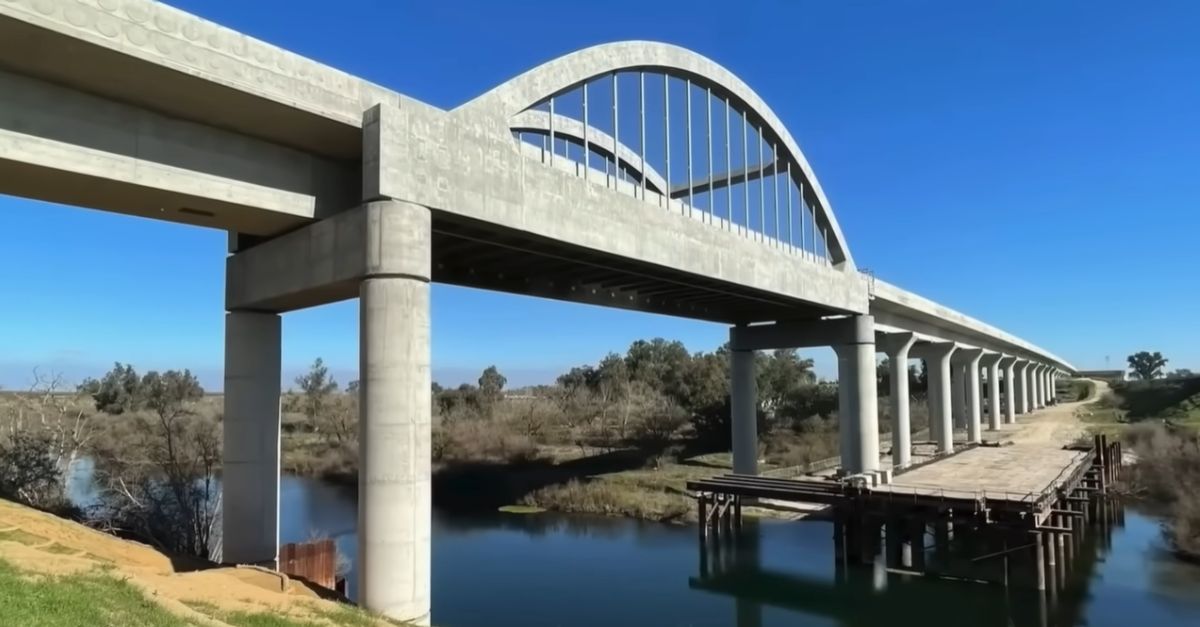
OAKLAND, Calif. (Diya TV) — California has dropped its lawsuit against the Trump administration over the federal government’s decision to withdraw about $4 billion in funding for the state’s long-delayed high-speed rail project. The move signals a major shift in strategy as state officials turn away from federal support and focus on state money and private investment to keep the massive project alive.
State officials confirmed this week that California dismissed the lawsuit filed earlier this year against the U.S. Transportation Department. The case challenged the federal government’s decision to cancel grant funding for the bullet train project, which aims to connect San Francisco and Los Angeles.
The Transportation Department cut the funds in July, saying the California High-Speed Rail Authority lacked a viable plan to complete a key section of the project in the Central Valley. Federal officials argued that the project faced major cost overruns, delays, and management problems. At the time, Gov. Gavin Newsom sharply criticized the move. He called it a political decision meant to punish California. The rail authority quickly went to court, hoping to restore the funding.
President Donald Trump and his administration have long opposed California’s high-speed rail plan. Trump has repeatedly mocked the project, calling it a “train to nowhere.” He has argued that the state failed to deliver on its original promises. In a July post on Truth Social, Trump wrote that the railroad “still does not exist, and never will.” He said the project was overpriced, overregulated, and never delivered as promised.
Transportation Secretary Sean Duffy also criticized the plan. Federal officials said California could not justify continued federal investment without a clear path to completion. The Transportation Department did not respond to a request for comment after California dismissed the lawsuit.
In a statement, a spokesperson for the California High-Speed Rail Authority said the state no longer sees the federal government as a reliable partner on the project. The authority said it would now focus on other funding sources.
“This action reflects the state’s assessment that the federal government is not a reliable, constructive, or trustworthy partner,” the spokesperson said.
The authority estimates the total cost of the high-speed rail system at more than $100 billion. That figure has drawn criticism for years and fueled political opposition. Despite the challenges, state officials say the project still has a future.
The decision to drop the lawsuit comes as the rail authority seeks private investors to help finance construction. Officials hope private money can fill part of the gap left by the loss of federal funds. The project recently secured a major boost from the state. Lawmakers approved $1 billion in annual funding through 2045 from California’s cap-and-trade program. That funding provides a more stable source of revenue for the rail system.
The cap-and-trade program sets limits on greenhouse gas emissions from major polluters. Companies must cut emissions, buy allowances, or fund projects that reduce climate impacts. The state uses the revenue to support climate programs, housing, transportation, and utility bill credits. State leaders argue that high-speed rail fits squarely within those goals by reducing car and airplane travel.
The rail authority says moving forward without federal involvement offers new flexibility. Officials believe they can adopt proven practices used by successful high-speed rail systems in Europe and Asia.
“Moving forward without the Trump administration’s involvement allows the authority to pursue proven global best practices,” a spokesperson said.
Supporters say those systems show that high-speed rail can work when planners take a long-term approach. Critics remain skeptical and point to California’s long history of delays.
The dismissal of the lawsuit marks a turning point for one of the nation’s most ambitious infrastructure projects. California now faces the challenge of delivering results without federal backing.