ABU DHABI, U.A.E. (Diya TV) — An Indian crew member was killed and eight other people injured after Iranian cruise missiles struck two UAE oil tankers in the Strait of Hormuz on July 14, the UAE Ministry of Defence said, as U.S.-Iran hostilities in the Gulf continued to escalate.
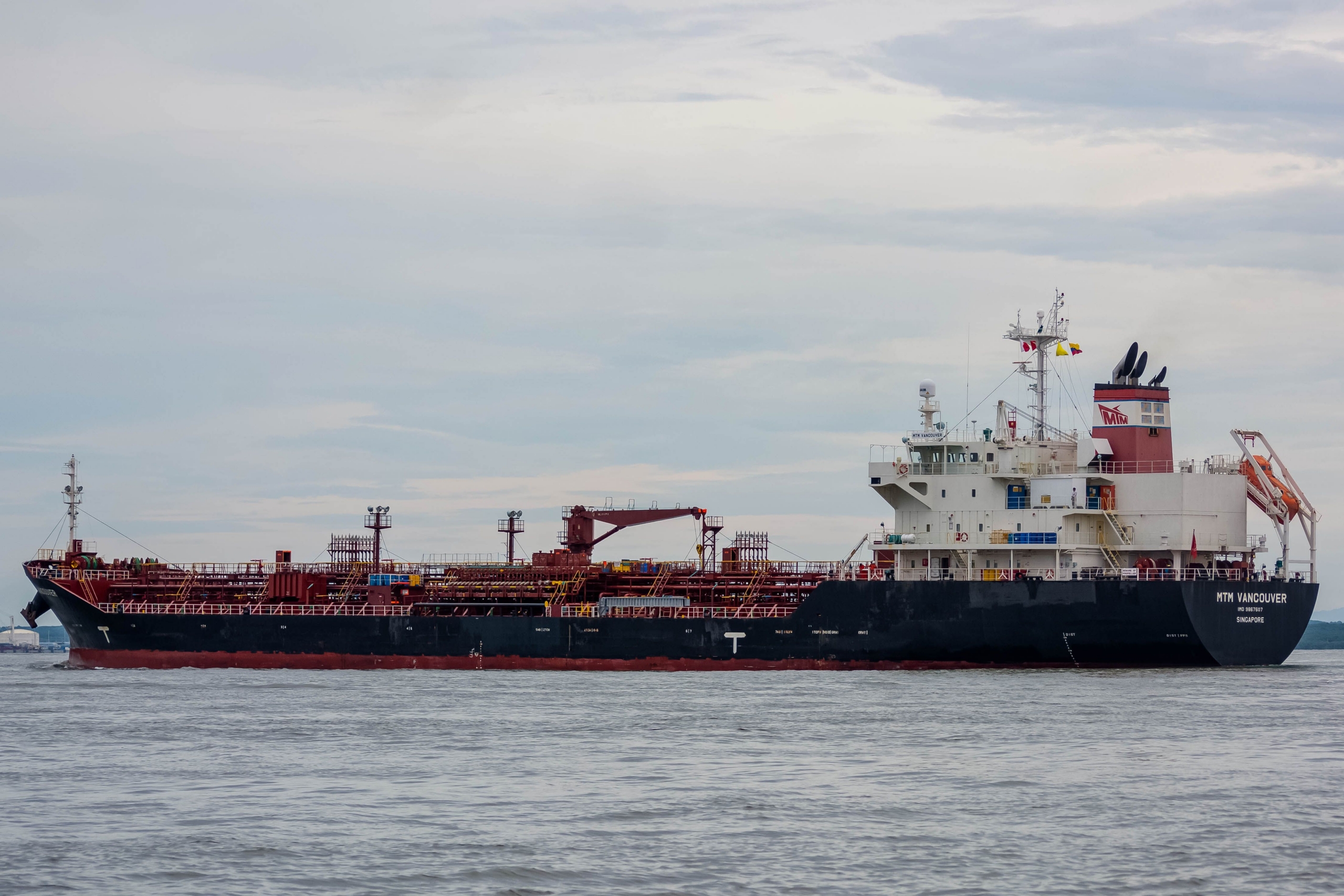
The very large crude carriers Mombasa and Al Bahiyah were struck while transiting the southern passage of the Strait of Hormuz in Omani territorial waters, according to the ministry. The Indian national who died was serving aboard the Mombasa. Of the eight injured, four sustained serious wounds; six of the injured were Indian nationals and two were Ukrainian nationals, according to Xinhua News Agency. Abu Dhabi National Oil Company’s shipping subsidiary, ADNOC L&S, confirmed both vessels suffered significant damage and that fires broke out on board before crews brought them under control.
Iran’s Islamic Revolutionary Guard Corps said it had disabled two “offending” supertankers after they allegedly ignored repeated warnings, switched off their navigation systems and attempted to travel through what it described as a mined route, though it did not identify the vessels by name. The IRGC accused the United States of directing ships through an illegal passage and warned that continued cooperation with Washington would prolong disruptions in the strait.
The UAE Ministry of Defence strongly condemned the strike as a serious violation of international law that threatens regional security and stability, saying the UAE reserves the right to respond to the escalation and will take all necessary measures to protect its territory, people and strategic assets. The UAE Ministry of Foreign Affairs separately condemned the attack. India lodged a formal protest and summoned Iran’s deputy chief of mission over the incident.
The strike came as the broader U.S.-Iran confrontation intensified. President Donald Trump had announced the reinstatement of a blockade on Iranian shipping a day earlier and warned of further military action; American forces subsequently launched a third consecutive night of strikes targeting Iran’s coastal surveillance systems, drone infrastructure and missile capabilities, according to reporting on the conflict. Iran, in turn, struck a U.S. military communications facility and radar facility in Bahrain and launched a ballistic missile strike against the U.S. airbase at Al Udeid in Qatar. Press TV reported that U.S. targets hit in the latest Iranian strikes included a Patriot air defense system, an ammunition depot and a U.S. military radar facility in Kuwait. Tehran has rejected any U.S. role in determining who may use the Strait of Hormuz, with senior Iranian military officials saying the waterway’s future will not be dictated by outside powers.
The tanker strike followed other recent attacks in the same waters, including a drone strike on a Marshall Islands-flagged tanker roughly 52 nautical miles off the coast of Muscat that killed one Indian crew member, and an earlier attack on a Palau-flagged tanker off the coast of Musandam, from which Oman’s Maritime Security Centre evacuated 21 crew members, including 16 Indian nationals. Roughly one-fifth of the world’s oil supply passes through the Strait of Hormuz.