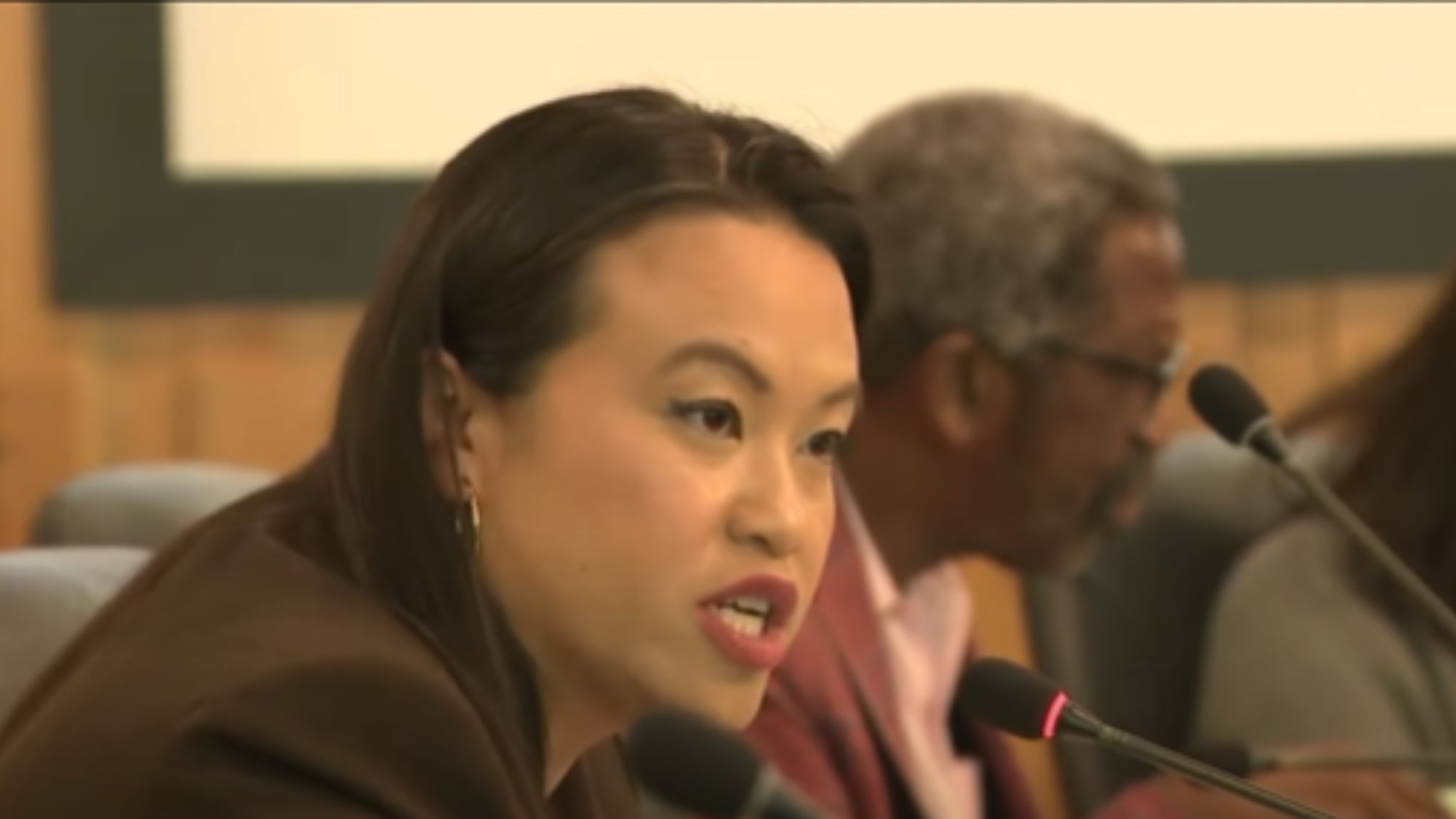
OAKLAND, Calif. (Diya TV) — Oakland Mayor Sheng Thao was officially recalled in a contentious campaign that has culminated in a special election. The results certified late Tuesday night seal the end of Thao’s time in office. She had been Oakland’s first Hmong American mayor for nearly two years. During her tenure in office, Thao has faced growing condemnation from constituents over her record on public safety, homelessness, and economic issues.
The recall election had a tremendous turnout, and more than 60% of the voters voted for her recall, according to the Alameda County Registrar of Voters. Thao, in a close contest in the 2022 election, had promised the city something about the escalating crisis confronting it, but opponents asserted that her administration did little to bring noticeable improvements around crime and affordable housing issues.
The most crucial issue in the recall is public safety. Oakland and other cities within California face an increase in the violent crime rates and offences against properties; this inflames the wrath of several inhabitants. The criticisms highlight that among the most pressing reasons for Thao to be recalled is her intentions to trim the police budget with the budget and replace them with the community-based initiatives of public safety. Advocates highlight that her policy measures have been the variables influencing the city up till date with regard to its crime problems.
“I voted to recall because I don’t feel safe in my own neighborhood anymore,” said Oakland resident Maria Lopez, echoing the sentiments of many voters. “We need real solutions, not more experiments.”
One of the recall reasons is homelessness. The city promised to end homelessness, but Oakland is still experiencing a growing number of homeless. The critics of Thao blamed him for not providing the unhoused with adequate housing and services, while supporters of the mayor argued that solving such a deep-seated crisis was difficult to achieve with minimal resources.
Speaking at City Hall in a concession speech, Thao expressed disappointment over the results but defended her administration’s efforts. “We made progress, but the challenges we face as a city are complex and cannot be solved overnight,” she said. “I’m proud of the work we’ve done, even if the voters chose a different path.”.
Coming up from being the child of Hmong refugees, Thao positioned herself as the more progressive leader, always with issues of equity and justice as a basis. The detractors criticized her for radical moves that could deal systemically with inequality while giving less emphasis on immediate fixings. However, it shows how impatience voters are building, particularly in Oakland where these people are clamoring to get solutions for these kinds of problems.
With Thao out of the way, Oakland will hold a special election to choose a new mayor. The City Council president will serve as interim until a new mayor is selected. The city continues to face challenges in public safety, housing, and economic recovery as potential candidates emerge.
According to political analysts, this recall could mark the beginning of other progressive mayors in cities across the nation. They will face more pressures from constituents unhappy about the increasing crime rates and homelessness. The outcome of this change will depend on what issues Oakland moves forward under the new city leader.