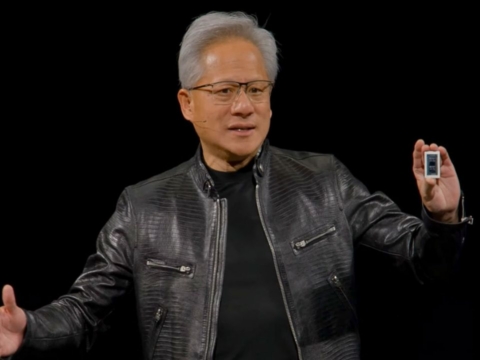
WASHINGTON (Diya TV) — Jensen Huang traveled to China this week with renewed hopes of reviving stalled sales of advanced artificial intelligence chips after the United States approved several Chinese companies to buy Nvidia’s H200 processors. But despite Washington’s approval, no shipments have reached China, according to people familiar with the matter.
The delay highlights the growing tension between the United States and China over advanced technology. It also shows how export controls and political concerns now shape the global AI chip market.
The U.S. government recently cleared about 10 Chinese firms to purchase Nvidia’s H200 chips, which rank among the company’s most powerful AI processors. The approvals allow Chinese companies to buy the chips either directly from Nvidia or through approved distributors, including Lenovo and Foxconn. Each approved buyer can reportedly purchase up to 75,000 chips under the licensing terms.
China remains one of the world’s largest AI markets. Before the latest export restrictions, Nvidia controlled roughly 95% of China’s advanced AI chip sector. China once generated about 13% of Nvidia’s total revenue. Huang has repeatedly warned that tighter U.S. export controls could damage Nvidia’s position in China. He previously estimated that China’s AI market could reach $50 billion this year alone.
However, the company now faces pressure from both Washington and Beijing.
The United States wants to limit China’s access to advanced AI technology because of national security concerns. At the same time, Chinese officials want local companies to rely less on American technology and strengthen domestic chip development. That conflict has left Nvidia caught in the middle of a growing technology rivalry between the world’s two largest economies.
Although the U.S. approved the sales, Chinese companies reportedly pulled back after receiving guidance from Beijing. Sources familiar with the matter said Chinese officials now closely review or delay many chip purchases from U.S. suppliers. Officials in Beijing worry that dependence on foreign AI chips could weaken China’s long-term technology goals. China has invested heavily in local semiconductor companies, including Huawei, which continues to develop domestic AI processors.
Chinese AI startup DeepSeek has also promoted its use of Chinese-made chips instead of Nvidia products. The Chinese government recently introduced new supply chain security rules. Those measures aim to reduce foreign dependence in critical technology systems. The new regulations have increased scrutiny of Nvidia chip imports, according to sources familiar with the matter.
The chip sales also face several requirements from Washington.
Under U.S. rules introduced earlier this year, Chinese buyers must prove they have strong security protections in place. Buyers must also guarantee they will not use the chips for military purposes. In addition, Nvidia must confirm that enough chip inventory remains inside the United States before exports move forward.
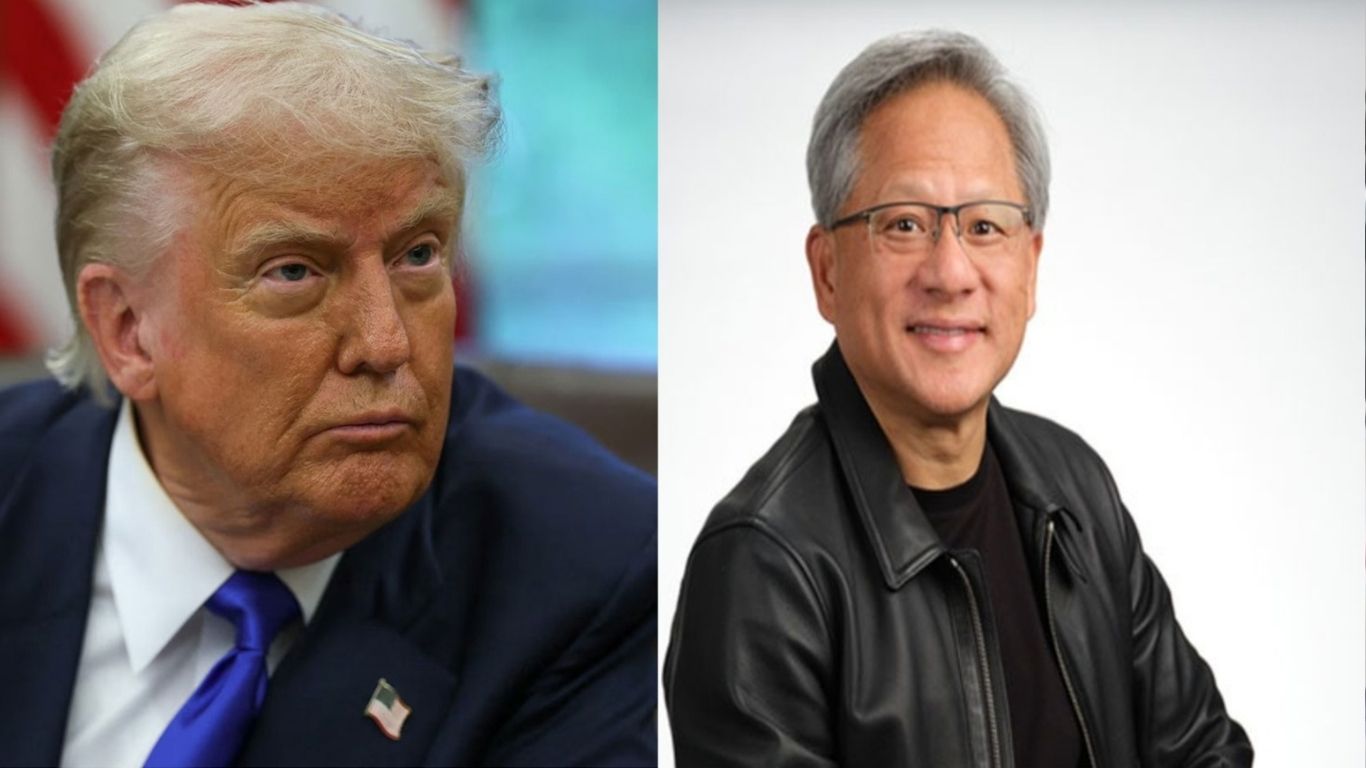
President Donald Trump also negotiated a deal that would give the U.S. government 25% of the revenue from the approved chip sales. Because U.S. law limits direct export fees, the arrangement requires the chips to pass through U.S. territory before companies ship them to China.
That structure has raised concerns in Beijing. Some Chinese officials reportedly fear the chips could contain hidden vulnerabilities or face tampering during the process.
Some American lawmakers and policy experts oppose any expansion of Nvidia’s sales to China. Critics argue that allowing more AI chip exports could help Chinese companies improve their artificial intelligence systems and narrow the technology gap with the United States.
Chris McGuire, a senior fellow at the Council on Foreign Relations, criticized the potential deals and warned that the sales could weaken America’s AI advantage. Meanwhile, Nvidia continues to push for broader access to China’s massive AI market. Huang joined Trump’s trip to Beijing after receiving a last-minute invitation from the White House, according to a source familiar with the matter.
The visit raised expectations that negotiations between Washington and Beijing could restart stalled chip shipments. Still, major uncertainty remains as both countries continue to balance economic interests against national security concerns. For now, Nvidia’s approved H200 sales remain frozen, showing how the U.S.-China AI chip battle continues to reshape the global technology industry.