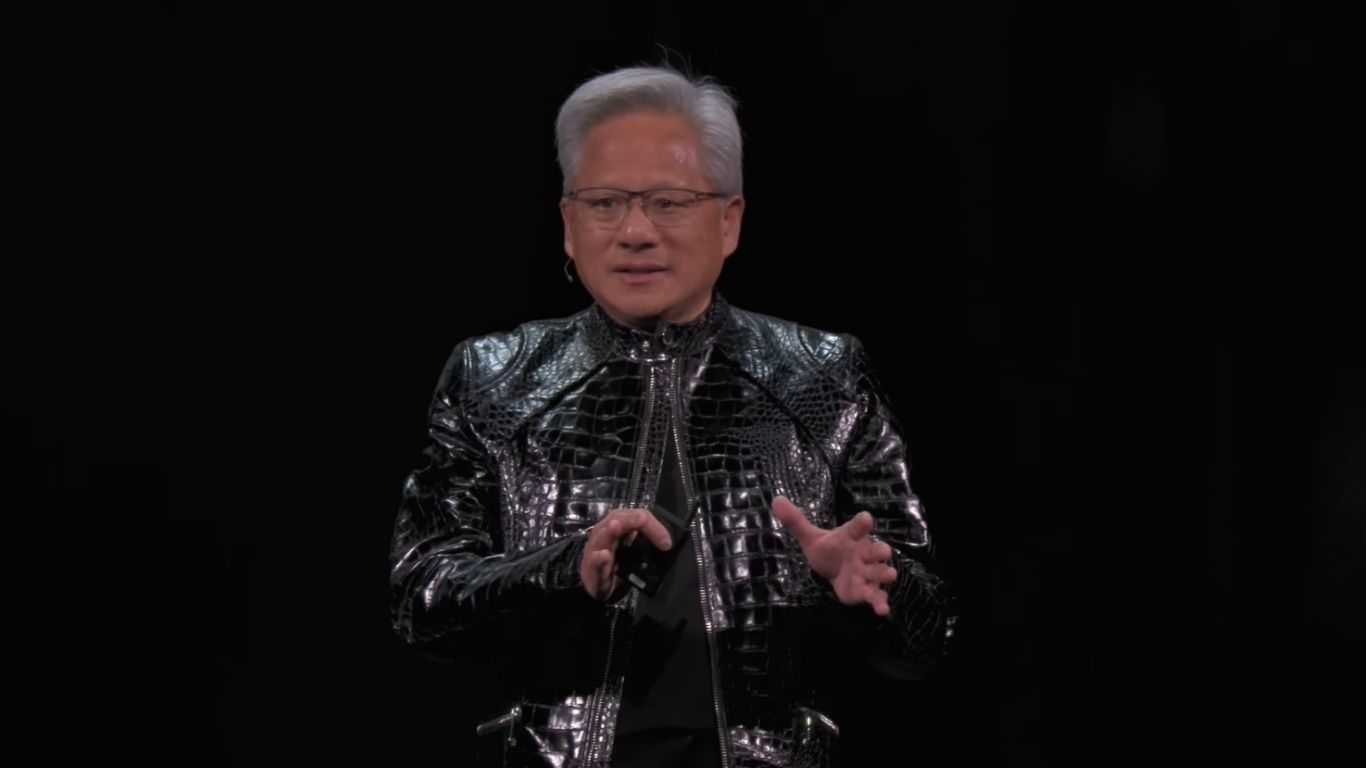
SAN FRANCISCO (Diya TV) — South Korea strengthened its role in the global artificial intelligence race after President Lee Jae Myung met top technology leaders in San Francisco on July 24. The summit brought together Nvidia CEO Jensen Huang, OpenAI CEO Sam Altman, and executives from Samsung Electronics, SK Group, Hyundai Motor and Naver. By the end of the day, companies had announced AI-related agreements valued at about $950 billion, marking one of the biggest days for global AI investment this year.
The new partnerships also highlight Nvidia’s growing effort to expand its AI infrastructure around the world. The company has signed major agreements across Asia, Europe and the Middle East in 2026. Now, South Korea has become a key part of that strategy as demand for AI chips, memory and computing power continues to rise.
One of the biggest announcements came from Nvidia and SK Hynix. The companies agreed to a long-term AI memory partnership that could reach a value of $500 billion over several years.
The deal will support the construction of large AI data centres that are expected to begin operating in 2027. In addition, SK Telecom, an affiliate of SK Hynix, will build a cloud business powered by Nvidia’s Vera Rubin AI systems. Together, the companies plan to expand computing capacity for future AI services.
Nvidia also said it aims to build enough infrastructure to require nearly two gigawatts of electricity. That amount of power could support hundreds of thousands of graphics processing units working together to train and operate advanced AI models.
Raj Mirpuri, Nvidia’s enterprise vice president, said the partnership also includes an opportunity to co-develop next-generation AI memory with SK Hynix. He added that the collaboration will help Nvidia secure a reliable supply of high-bandwidth memory, or HBM. This type of memory sits close to AI processors and delivers data at very high speeds. As a result, AI systems can process information more efficiently and reduce delays.
SK Hynix has become a leading supplier of HBM as AI demand continues to increase. During the first quarter of 2026, the company held a 56.4% share of the global HBM market by revenue. It also reported first-quarter revenue of 52.58 trillion won, or about $34.5 billion, representing a 198% increase from the same period last year. Earlier this year, the company also began trading on the Nasdaq under the ticker symbol SKHY.
Meanwhile, Samsung Electronics announced another major AI agreement on the same day. The company signed a memorandum of understanding with U.S. chip designer Broadcom to expand cooperation in memory and semiconductor manufacturing technologies. Industry estimates place the value of that partnership at about $200 billion.
The Samsung and Broadcom agreement focuses on supporting future AI infrastructure. The companies plan to strengthen memory solutions while also improving chip production for advanced AI systems. Although separate from Nvidia’s partnership with SK Hynix, the deal reflects the growing demand for powerful hardware that supports artificial intelligence.
President Lee’s visit also demonstrated South Korea’s ambition to become a leading global AI hub. By bringing together major technology companies and government leaders, the country showcased its strengths in semiconductor manufacturing, advanced memory and digital innovation. Those industries already play an important role in the global technology supply chain. Now, they are becoming even more important as AI investment accelerates.
For Nvidia, the latest agreements add to a busy year of international expansion. The company continues to secure long-term partnerships that strengthen its access to advanced chips, memory and computing resources. At the same time, technology companies around the world continue to increase spending on AI infrastructure to meet rising demand from businesses, developers and consumers.