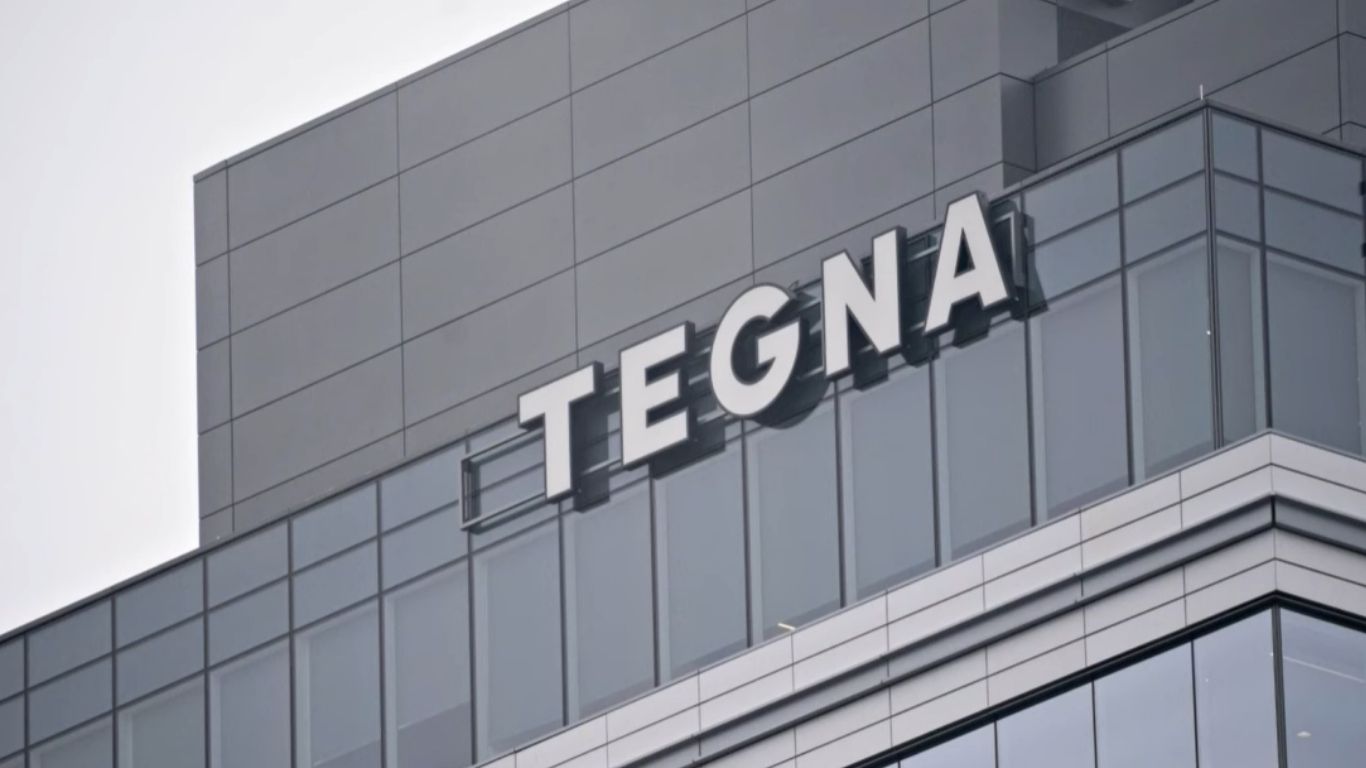
WASHINGTON (Diya TV) — The Federal Communications Commission has approved a major media merger that will reshape the local television industry. The agency signed off on Nexstar Media Group’s $6.2 billion acquisition of Tegna Inc., clearing the way for the creation of the largest local TV station operator in the United States.
The decision marks a significant shift in U.S. media ownership rules. The FCC waived a long-standing cap that prevents a single company from owning TV stations reaching more than 39% of U.S. households. The Nexstar-Tegna merger will push that reach to at least 60%. FCC Chairman Brendan Carr said the waiver aligns with the agency’s goals. He argued that it will support competition and strengthen local broadcasting.
“Waiving that rule here is consistent with longstanding FCC authorities,” Carr said. “It promotes competition, localism, and diversity.”
The approval reflects broader regulatory changes aimed at helping traditional broadcasters compete in a fast-changing media landscape.
The FCC’s move came just one day after a coalition of attorneys general from eight states filed a lawsuit to block the merger. States, including California and New York, argue the deal violates federal antitrust laws.
The lawsuit claims the merger could reduce competition and harm consumers. Critics worry that fewer independent broadcasters could lead to higher advertising costs and less diverse local news coverage. Despite these concerns, Nexstar secured approval from the U.S. Department of Justice, removing a major regulatory hurdle.
Nexstar CEO Perry Sook defended the deal as essential for the future of local journalism. He said the combined company will have more resources to invest in newsrooms and community coverage.
“This transaction is essential to sustaining strong local journalism,” Sook said. He added that the merger will create a “stronger, more dynamic enterprise.”
Sook also praised support from Donald Trump and federal regulators. He credited deregulation efforts for enabling broadcasters to expand and compete with major tech platforms.
Not everyone at the FCC supports the decision. Commissioner Anna M. Gomez strongly criticized the approval process. She raised concerns about transparency and accountability.
“This merger was approved behind closed doors,” Gomez said. She argued that the public and stakeholders did not get a full opportunity to review or debate the deal.
Her comments highlight ongoing political divisions within the agency over media consolidation and regulatory oversight.
The National Association of Broadcasters welcomed the FCC’s decision. The group has long pushed for changes to ownership limits, calling them outdated. President and CEO Curtis LeGeyt said the waiver signals progress. He noted that broadcasters face growing competition from streaming services and digital platforms.
Analysts say the merger could accelerate consolidation in the media industry. Larger companies may gain more negotiating power with advertisers and content providers. At the same time, critics warn that fewer independent voices could weaken local journalism.
As part of the approval, Nexstar agreed to certain conditions. These include selling some stations and taking steps to support local content and affordability. However, the FCC has not released full details.
Before the merger, Nexstar operated 201 stations across 116 markets. Tegna owned 64 full-power TV stations along with radio assets. The combined company will have a dominant presence in local broadcasting. The FCC currently has only three active commissioners, with two seats vacant. This unusual situation has added to concerns about oversight and decision-making.