KATHMANDU, Nepal (Diya TV) — Nepal plunged into political and social chaos this week as Prime Minister KP Sharma Oli resigned amid deadly anti-corruption protests and violent unrest that have shaken the country.
Oli announced his resignation on Tuesday after police clashes left at least 19 protesters dead outside parliament in Kathmandu. Demonstrators had gathered to oppose corruption and the government’s decision to ban social media platforms.
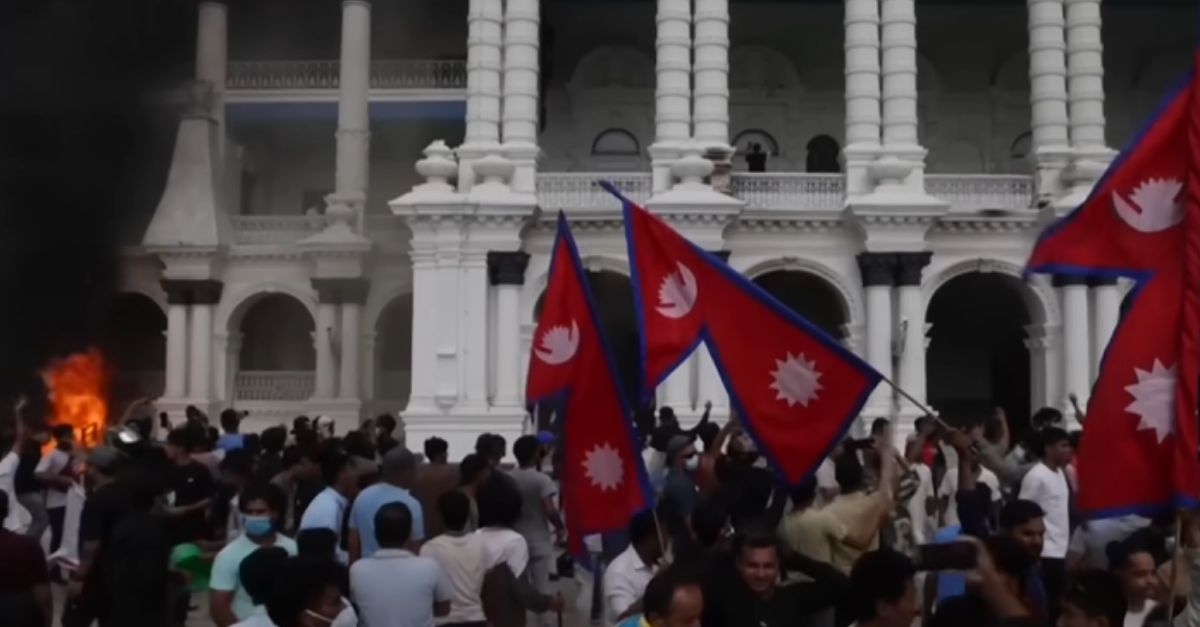
The ban was lifted Monday, but it came too late to calm the anger that had spread across the country. By Tuesday, protesters set fire to Nepal’s parliament building, government offices, and homes of political leaders. Thick smoke covered Kathmandu as crowds chanted slogans and waved Nepal’s flag.
“I have resigned effective today to facilitate the solution to the problem and to help resolve it politically in accordance with the constitution,” Oli wrote in his resignation letter to President Ramchandra Paudel.
On Tuesday, three more people died as protests spread. Mobs torched the headquarters of the Nepali Congress Party and the house of its leader, Sher Bahadur Deuba. The home of Oli himself was also burned.
Inside parliament, protesters smashed windows, painted graffiti, and cheered around fires. Hundreds of people flooded the building, celebrating what they saw as a historic moment.
“This is high time our nation, our prime minister, and anyone in power change,” said Muna Shreshta, 20, who joined the demonstrations. “We are more than happy to witness this and fight for this. I hope this change will bring something positive to us.”
In the chaos, 900 inmates escaped from two prisons in Nepal’s western districts, officials said. The government imposed curfews in several regions, but protests continued through the night.
Late Tuesday, Nepal’s army chief warned that demonstrators were damaging and looting public and private property. He said the army and other security institutions were ready to “take control of the situation” starting at 10 p.m. local time.
The crisis began when Nepal’s government blocked 26 social media platforms last week. The order targeted platforms such as Facebook and Instagram, which millions of Nepalis use daily for news, entertainment, and small businesses.
Officials said the ban aimed to curb fake news, hate speech, and online fraud. But young people saw it as an attack on free speech. Many linked the move to growing frustration over corruption, unemployment, and political privilege.
The “nepo kid” campaign, which spread widely online, highlighted the lavish lifestyles of politicians’ children and fueled anger over inequality. By the time the ban was lifted Monday night, protests had turned into a mass movement that no party or leader seemed able to control.
With Oli gone, Nepal has no clear path forward. The president accepted his resignation but has not yet named a successor. Many ministers have taken refuge with security forces as protesters target the political elite.
So far, the movement has no central leadership or clear demands beyond ending corruption and bringing change. But it has shaken Nepal’s fragile democracy, which has struggled with instability for decades.
For many young people, the unrest reflects a demand for a new kind of politics. “Taxes paid by working people need to be used in ways that will help the country grow,” Shreshta said.
As fires burn in Kathmandu and across the country, Nepal faces a dangerous turning point. Whether leaders can restore stability—or whether protests will escalate further—remains uncertain.