BEIJING (Diya TV) — America’s top business leaders traveled to Beijing this week alongside President Donald Trump in a high-profile effort to rebuild ties with China. Executives from major U.S. companies met Chinese officials, attended a leadership summit, and promoted deeper business cooperation between the world’s two largest economies.
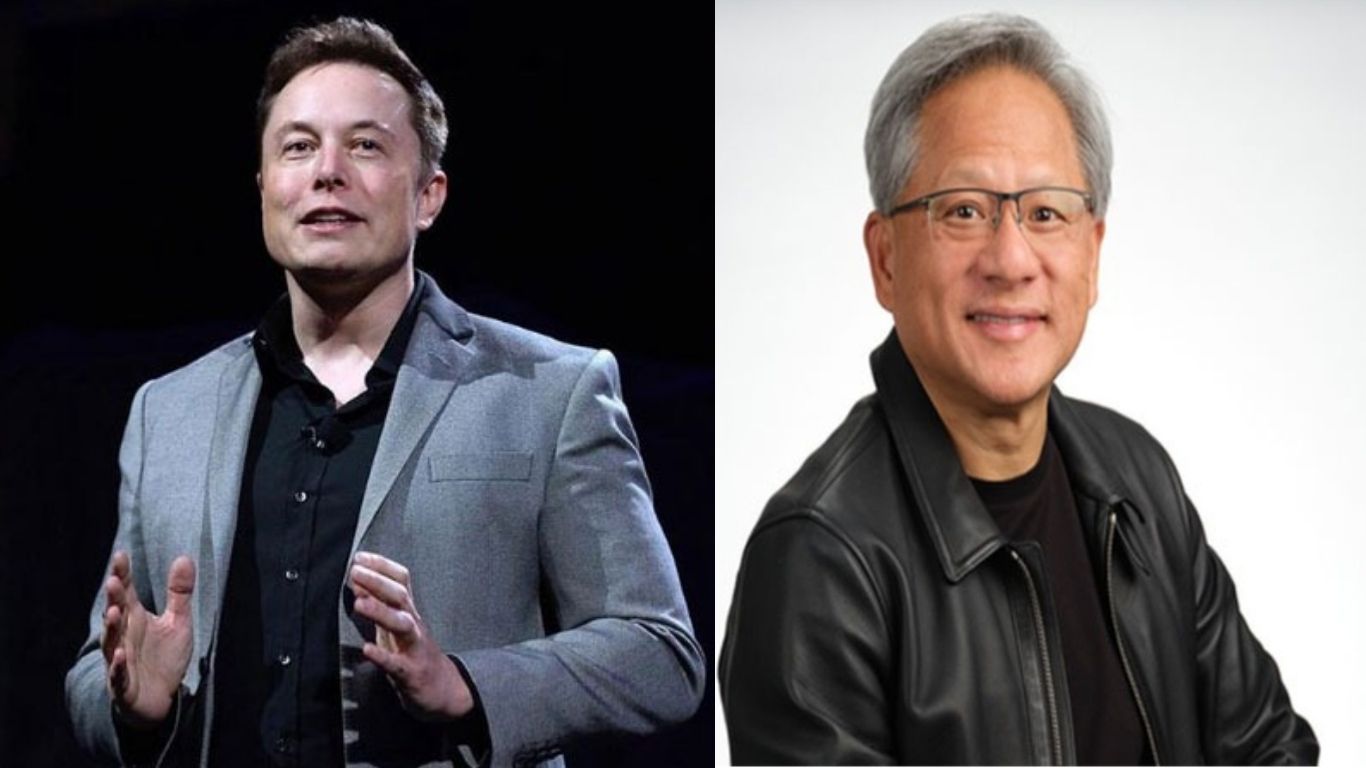
The delegation included high-profile figures such as Elon Musk of Tesla and Jensen Huang of Nvidia. Leaders from Apple, Meta, Boeing, Goldman Sachs, and Cargill also joined the visit. The summit highlighted the continued importance of the Chinese market for American companies despite rising tensions between Washington and Beijing over trade, artificial intelligence, and national security.
Chinese officials rolled out red carpets, hosted formal meetings, and encouraged public appearances aimed at showing goodwill between the two countries. Many companies hope to gain better market access, secure approvals, and expand operations in China, the world’s second-largest economy.
Analysts said the visit focused more on improving political relations than announcing major business agreements. Unlike Trump’s 2017 visit to Beijing, which produced deals and memorandums reportedly worth $250 billion, this year’s summit centered on rebuilding trust and reducing tensions.
Feng Chucheng, founder of Beijing-based consultancy Hutong Research, said China views these meetings as part of a broader diplomatic strategy rather than simple business negotiations. He said Beijing wants to establish “guardrails” that can prevent sudden conflict or worsening relations between the two countries.
One of the biggest unresolved issues involved Nvidia’s advanced AI chips. The company has sought Chinese approval to sell its H200 chip to select Chinese firms after the United States cleared limited exports. However, no breakthrough emerged during the summit.
Reporters repeatedly asked Huang about progress on the issue. He avoided specifics and simply said he enjoyed his visit to China. Huang’s appearance on the trip drew attention because he was not originally included in the White House delegation. Trump reportedly invited him aboard during a stop in Alaska before traveling to Beijing.
That move raised hopes among investors and analysts that Nvidia could make progress in its long-running effort to expand AI chip sales in China. China remains a critical market for semiconductor companies even as export controls and technology restrictions increase pressure on the industry.
Chinese state media reported that China planned to purchase 100 Boeing aircraft during the visit. While the deal would represent a major order, it still falls short of the roughly 300 planes reportedly purchased during Trump’s 2017 trip. Several executives decided to remain in China after Trump’s departure on Friday to continue discussions with government officials. Analysts believe additional announcements could emerge in the coming days.
Companies continue to face regulatory hurdles and slowing economic growth in China. Many foreign businesses also struggle with tighter rules, rising competition from Chinese firms, and geopolitical uncertainty. Despite those challenges, corporate leaders view China as too large and important to ignore.
Han Shen Lin, China country director at consultancy The Asia Group in Shanghai, said the summit focused heavily on positive public messaging instead of major deliverables. He warned that a lack of visible successes could create political risks for Trump at home. Analysts say some members of Trump’s administration favor a tougher stance on China and could push for more aggressive policies if relations worsen again.