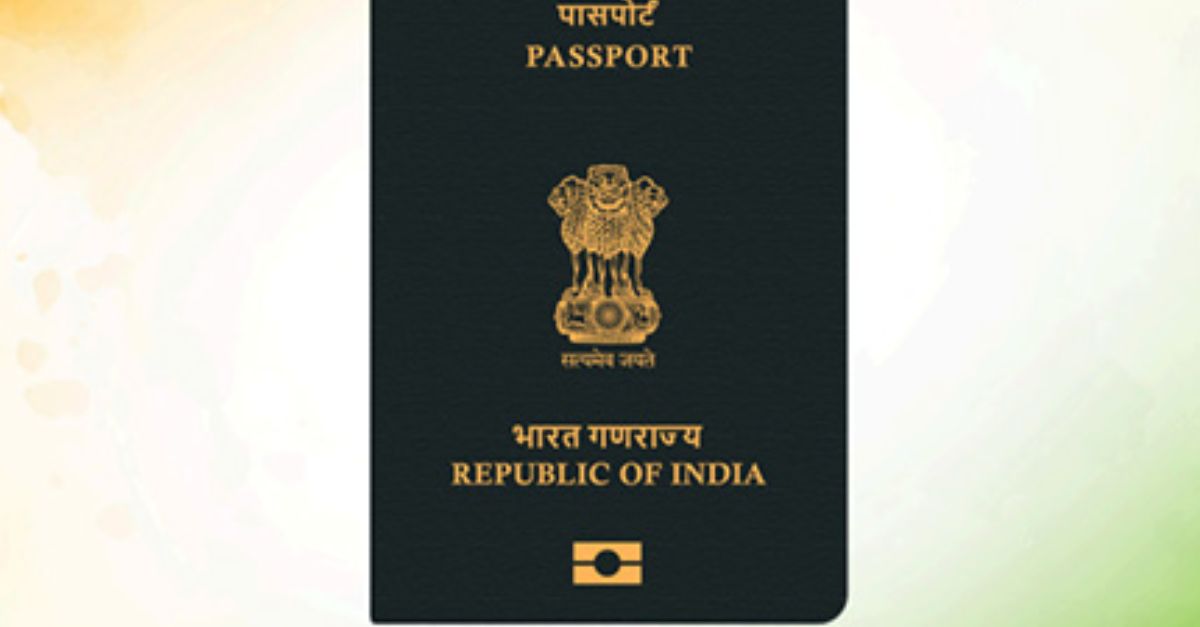
NEW DELHI (Diya TV) — More than 200,000 Indians gave up their citizenship in 2024, marking a slight drop from the previous year, according to new government data. The Ministry of External Affairs told Parliament on Aug. 8 that 206,378 Indians renounced their citizenship last year, compared with 216,219 in 2023 and 225,620 in 2022.
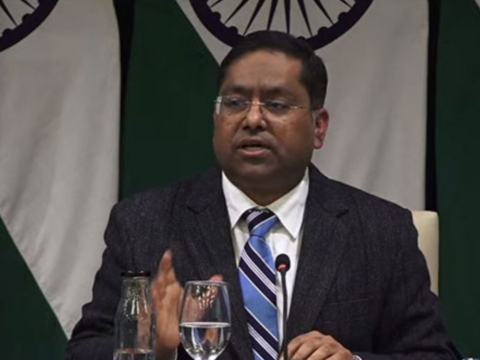
Indian Minister of State for External Affairs Kirti Vardhan Singh shared the figures in a written reply to Congress MP K. C. Venugopal in the Lok Sabha. Singh said 85,256 people gave up Indian citizenship in 2020, which jumped to 163,370 in 2021 after pandemic restrictions eased. The number rose further in 2022 before falling in the following two years.
Older records show that 122,819 Indians renounced citizenship in 2011, 120,923 in 2012, 131,405 in 2013, and 129,328 in 2014. These figures reflect a steady outflow over the last decade, though the pace has varied with global economic and migration trends.
While the ministry did not list the top destinations in its oral response, the full data was placed on record in Parliament. According to the World Population Review 2025, the United States, the United Arab Emirates, Malaysia, and Canada remain the most popular destinations for Indians settling abroad. The US is home to an estimated 5.4 million people of Indian origin. The UAE hosts between 3.5 million and 4.4 million. Malaysia has about 2.9 million, and Canada has around 2.8 million.
These countries offer strong job markets, better wages, and in many cases, easier immigration pathways for skilled professionals. For many Indians, these opportunities outweigh the benefits of retaining Indian citizenship, which does not allow dual nationality.
When asked if the government had conducted studies on why Indians are giving up citizenship, Singh said the reasons are personal and known only to the individuals involved. He noted that the government sees the global workplace as a valuable resource in the modern knowledge economy.
“The Government recognizes the potential of the global workplace in an era of the knowledge economy. It has also brought about a transformational change in its engagement with the Indian diaspora,” Singh said.
He described a “successful, prosperous, and influential diaspora” as an asset for India. The government aims to tap into this network by encouraging knowledge sharing, professional connections, and cultural influence.
The Ministry of External Affairs estimates the total population of overseas Indians at 34,356,193. This includes 17,181,071 Persons of Indian Origin (PIOs) and 17,175,122 Non-Resident Indians (NRIs).
India’s diaspora is one of the largest in the world. Their contributions span business, science, education, and culture. Remittances from Indians abroad remain a major source of foreign exchange for the country, often exceeding $100 billion annually.
Despite the high number of renunciations, the government has not announced specific new measures to slow the trend. The focus remains on building strong connections with Indians abroad rather than discouraging them from taking foreign citizenship.
Migration experts suggest that the primary reasons for citizenship renunciation include better career prospects, enhanced education opportunities, family reunification, and the allure of countries with higher living standards. Many also cite the inability to hold dual citizenship under Indian law as a key factor.
While the numbers for 2024 show a slight decline from 2023, the overall pattern suggests that large-scale emigration of skilled and educated Indians will likely continue. The demand for talent in developed economies and the global mobility of professionals mean that India’s diaspora will continue to expand.
For now, the government appears to see this as an opportunity rather than a loss, framing the diaspora as a bridge between India and the world.