NEW DELHI (Diya TV) — India issued a sharp rebuke Monday to reported remarks by Pakistan’s army chief suggesting the use of nuclear weapons in a future conflict. The Ministry of External Affairs said India would not bow to “nuclear blackmail” and would take all necessary steps to defend its national security.
The comments, reportedly made by Field Marshal Asim Munir during his visit to the United States, have sparked strong criticism in New Delhi. According to media reports, Munir told members of the Pakistani community in Tampa, Florida, that Pakistan could unleash nuclear weapons if it faced an existential threat from India. “We are a nuclear nation. If we think we are going down, we’ll take half the world down with us,” he was quoted as saying.
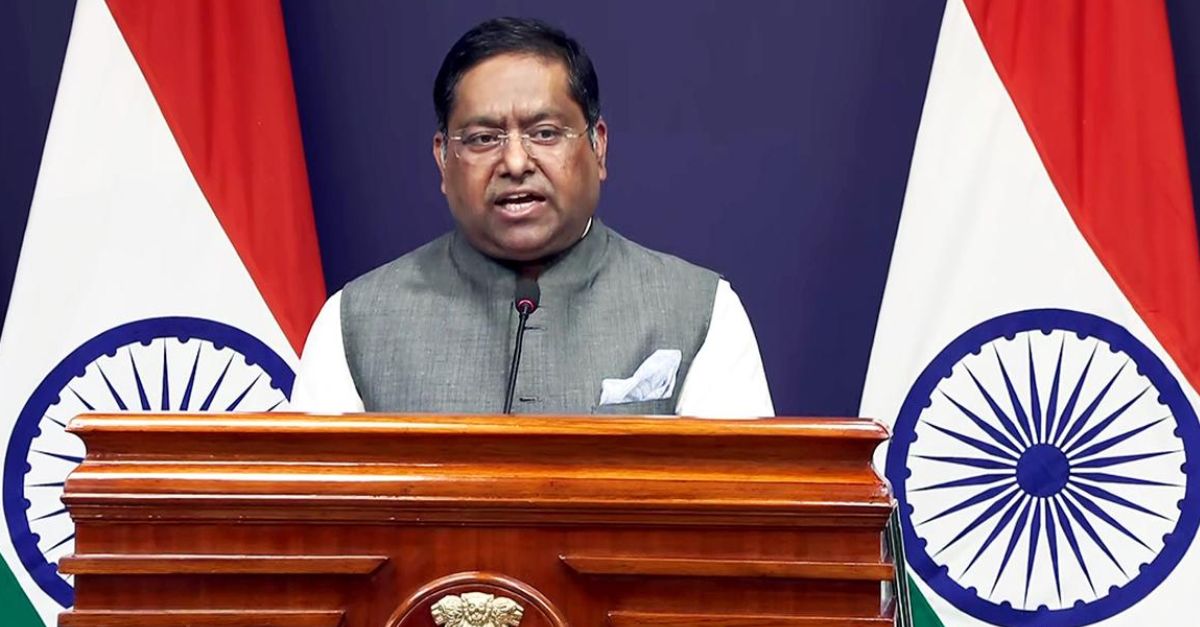
India’s Foreign Ministry dismissed the rhetoric as dangerous and irresponsible. “Nuclear sabre-rattling is Pakistan’s stock-in-trade,” ministry spokesperson Randhir Jaiswal said in a statement. He added that such remarks raised long-standing concerns about Pakistan’s nuclear command and control, particularly in a state where the military has deep ties with terrorist groups.
The ministry also expressed disappointment that these comments came while Munir was speaking from the soil of a friendly third country. Officials said the international community could draw its own conclusions about the risks of such statements.
The sharp response underscores India’s firm stance against threats from Islamabad. “India has already made it clear that it will not give in to nuclear blackmail,” Jaiswal said. “We will continue to take all steps necessary to safeguard our national security.”
Munir’s trip to the United States has drawn attention in both countries. While the visit was billed as an outreach to the Pakistani diaspora, the alleged nuclear comments have overshadowed other engagements. The United States has not publicly commented on the matter.
Nuclear tensions between India and Pakistan have flared repeatedly over the years, often following military or political confrontations. The two nations have fought several wars since independence in 1947, and their long-running dispute over Kashmir remains unresolved. Both countries possess nuclear arsenals and maintain that their weapons are for deterrence. However, past statements from Pakistani leaders about potential nuclear use have raised fears of miscalculation.
Experts say nuclear threats from Pakistani officials often aim to deter India from taking strong military action. However, India’s response this time signals its unwillingness to be swayed by such warnings. “When leaders talk loosely about nuclear war, it undermines global stability,” said a former Indian diplomat familiar with nuclear policy. “It sends a dangerous message not only to their people but to the world.”
Indian officials have repeatedly accused Pakistan’s military of supporting extremist groups, a charge Islamabad denies. The statement from the Foreign Ministry on Monday reinforced that point, accusing Pakistan’s military of being “hand-in-glove with terrorist groups.”
Analysts note that the timing and location of Munir’s remarks could make the fallout worse. Delivering such a message in the United States, a key global player and a country with friendly ties to both India and Pakistan, may increase diplomatic discomfort for Islamabad.
For now, India appears focused on using diplomatic channels to highlight the risks of such nuclear rhetoric. New Delhi’s message is that it will not yield to pressure, and it expects the international community to recognize the dangers posed by such talk.
While tensions between the two neighbors remain high, both nations have avoided direct military confrontation in recent years. Still, the exchange of heated statements shows how quickly old hostilities can resurface. With nuclear weapons in the mix, even rhetoric can escalate fears far beyond South Asia.