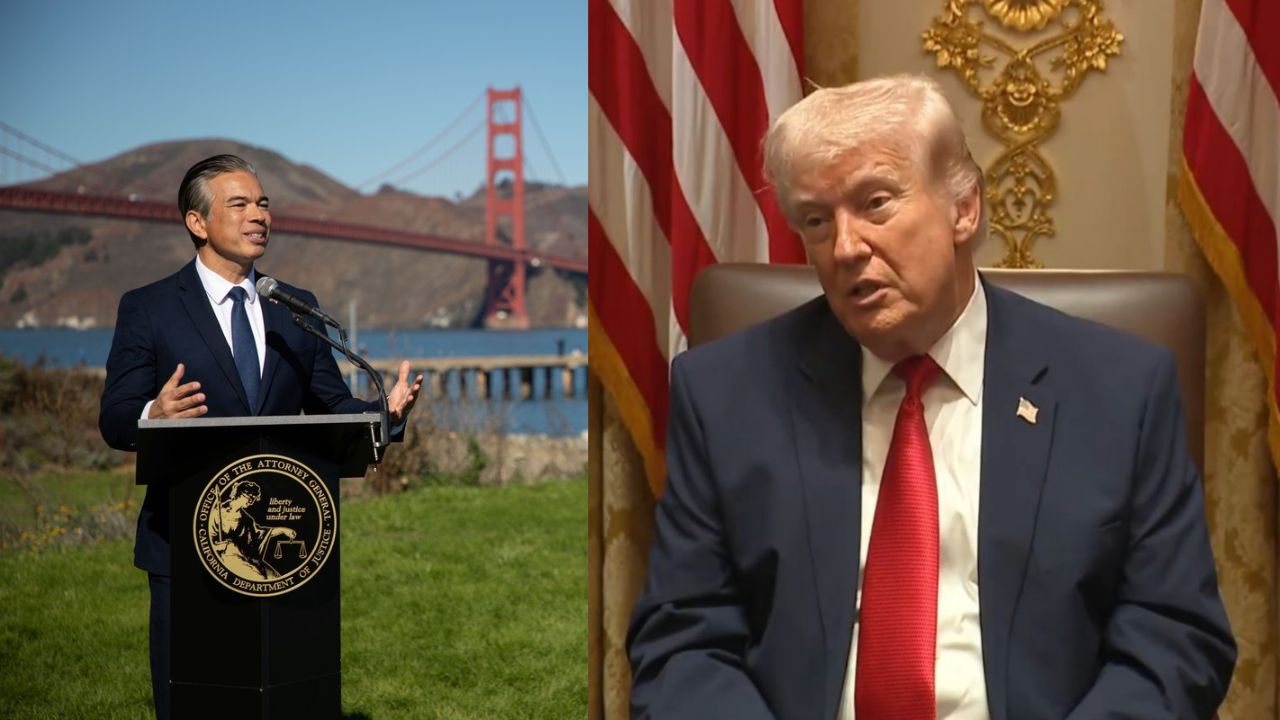
SAN FRANCISCO (Diya TV) — California and several Bay Area counties sued the Trump administration Monday over a new immigration rule that could make it easier for officials to deny visas and green cards based on an immigrant’s use of public benefits.
The lawsuits challenge a major expansion of the federal government’s “public charge” policy. The new rule takes effect Friday. It allows immigration officials to consider a wider range of government programs when deciding whether a noncitizen may become a financial burden on the country.
California Attorney General Rob Bonta filed one lawsuit with New York Attorney General Letitia James. More than 20 states and Washington, D.C., joined the case.
A separate lawsuit came from a coalition of cities and local governments. New York City Mayor Zohran Mamdani leads that case. San Francisco, Chicago and Seattle joined the lawsuit. Santa Clara County and King County, Washington, also joined.
The legal challenges focus on a Department of Homeland Security rule issued in July. Under earlier policy, officials could consider certain cash assistance programs and long-term institutional care through Medi-Cal.
However, the new public charge rule expands that list. Officials can now consider income-based benefits such as Medicaid, food assistance, and housing assistance. The rule also includes free and reduced-price school lunch programs.
Supporters of the rule say the government should consider whether immigrants can support themselves without depending heavily on public assistance. However, California officials argue that the policy could discourage immigrant families from seeking essential services.
Bonta said the rule could force families to avoid health care and food assistance because they fear immigration consequences.
The California attorney general also raised concerns about children in mixed-status families. In those households, some family members may be U.S. citizens while others have an immigration case pending or lack legal status.
Bonta said immigration officials could consider benefits received by citizen children when evaluating their parents. That could include Medicaid coverage and free or reduced-price school meals.
The new policy could also affect California’s health care system. The Department of Homeland Security has estimated that at least 10% of people in mixed-status households could leave public benefit programs because of the rule.
San Francisco officials warned that such changes could create financial pressure on local agencies. If thousands of residents leave programs such as Medi-Cal and CalFresh, the city could lose millions of dollars in federal reimbursements.
San Francisco City Attorney David Chiu said the rule could also place added pressure on city departments. Those agencies provide health care, food assistance and other services to vulnerable residents.
Meanwhile, the lawsuits ask federal courts to stop the rule from taking effect. The plaintiffs also want courts to permanently block the policy and cancel the new rule.
The legal fight echoes an earlier battle over immigration policy. The Trump administration expanded the public charge policy in 2019. Courts across the country blocked that effort. The Biden administration later rescinded the rule in 2022.
The latest lawsuits could again place the federal government’s immigration authority under close judicial review.
For immigrant families, the outcome could have broad effects. The rule may influence decisions about health care, food assistance and housing programs. It could also affect schools, local governments and medical providers that serve immigrant communities.
As the rule approaches its Friday effective date, California and its local partners are asking the courts to intervene. The cases could determine how far federal immigration officials can go when evaluating an immigrant’s use of public benefits.