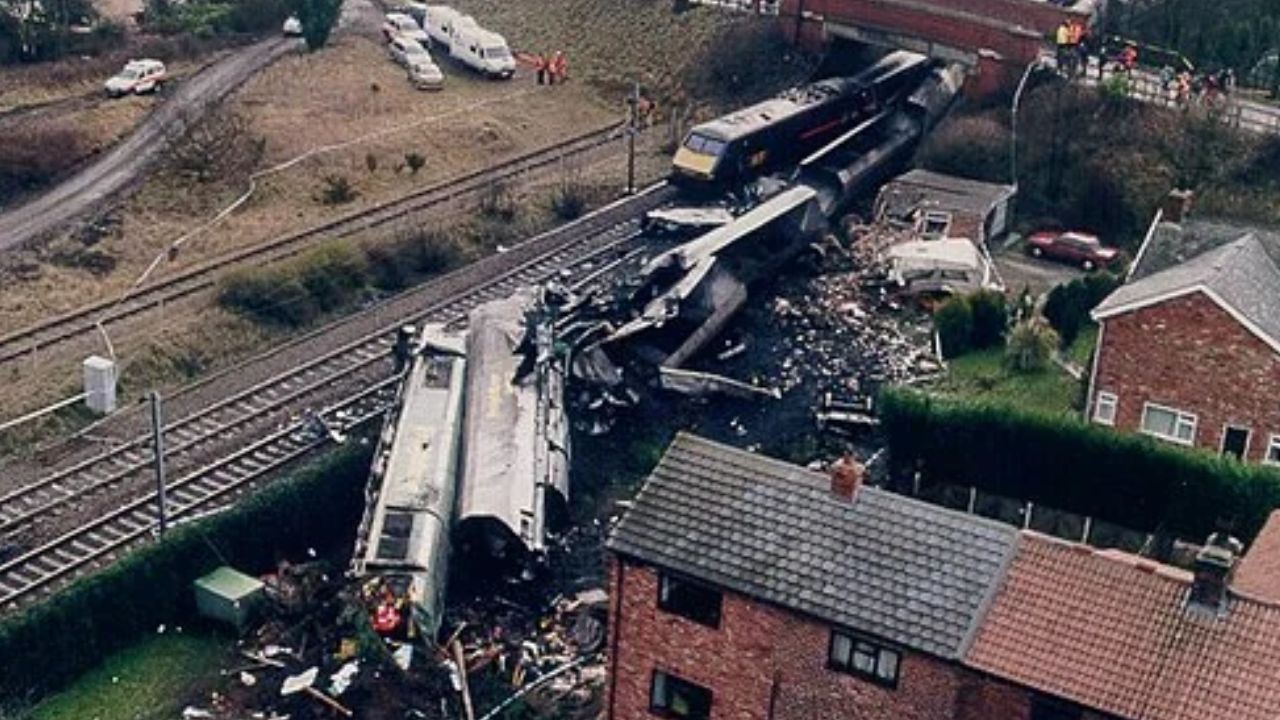
URDA, Spain (Diya TV) — A Renfe high-speed train struck a stationary Iryo train near Urda on Wednesday morning, killing at least 68 people and injuring more than 100, according to Castilla-La Mancha’s regional government. Rescue crews pulled victims from crushed and derailed carriages as investigators began examining how the Renfe train received permission to move while the Iryo remained on the track.
The collision occurred at about 8:53 a.m. on the Madrid-to-Seville line near Urda, in Toledo province. The regional government said 44 of the dead had been aboard the Iryo train and 24 on the Renfe AVE. Its latest update reported more than 100 people injured. Of those, 53 remained hospitalized and 15 were in critical condition; about 50 others received care at a temporary aid center in Urda.
The trains carried hundreds of passengers. Regional officials initially reported 393 aboard the Renfe train and 151 on the Iryo service. The impact derailed several Iryo carriages, which fell down an embankment, while the Renfe train’s locomotive and first carriage also left the track.
Transport Minister Óscar Puente outlined a preliminary timeline but cautioned that investigators must determine the full cause. At about 8:30 a.m., a computer communications failure disabled the LZB train-control system across a roughly 63-kilometer stretch, he said. The system normally monitors train position and speed. Its failure automatically stopped trains in the affected area.
Puente said a control-center worker authorized the Renfe train to resume its journey at about 8:36 a.m. The Iryo train remained stopped ahead, and a red signal still barred the Renfe train from continuing normally, according to the minister’s account. He said the controller should not have cleared the train to proceed at regular speed. If the train had to move, Puente said, procedures called for “running on sight,” which limits speed to 40 kilometers per hour so the driver can stop for an obstacle.
The Renfe train traveled about 25 kilometers before hitting the Iryo. Officials have not confirmed its speed at impact. Puente said it may have reached 200 kilometers per hour, but investigators still need to analyze the train’s data. He described the control-center decision as inexplicable while stopping short of issuing a final finding on responsibility.
Spain’s Civil Guard has deployed more than 300 personnel to recover victims, identify the dead and preserve evidence. Investigators are examining the trains, track and signaling equipment, and plan to review onboard data recorders and camera footage. A judicial investigation will assess the crash’s cause and whether anyone bears criminal responsibility.
Regional emergency services sent firefighters, police, ambulances, medical helicopters and civil-protection teams to the scene. Authorities activated the Military Emergency Unit and opened family assistance centers in Urda, Madrid, Seville and Córdoba. Renfe and Iryo also established hotlines for passengers and relatives.
Prime Minister Pedro Sánchez visited the site and announced three days of national mourning. The collision also forced the suspension of high-speed service between Madrid and Andalusia, leaving trains stopped at stations along the route.
The disaster comes nine months after a January collision near Adamuz killed 46 people. In that crash, an Iryo train derailed and struck an oncoming Renfe train. Investigators have not established a connection between the two accidents, and the causes differ in the preliminary accounts released so far.
For the Urda investigation, the central question is how the Renfe train received clearance to continue after the safety system failed, while the Iryo remained stopped ahead. Authorities have not completed their investigation or announced findings on individual responsibility.