JERUSALEM (Diya TV) — Prime Minister Benjamin Netanyahu’s bloc leads in Israel’s preliminary election count, but it remains eight seats short of a Knesset majority. The opposition bloc led by former military chief Gadi Eisenkot trails Netanyahu’s camp and also lacks a clear path to power, leaving Arab-led parties with a potentially decisive role in coalition talks.
With 85.6% of the total vote represented in Wednesday’s partial count, preliminary seat estimates gave Netanyahu’s bloc 53 seats, Eisenkot’s bloc 48 and Arab-led parties 19. The Knesset has 120 seats; a government needs support from at least 61 members. The figures remain provisional while officials process the remaining ballots.
The count puts Likud, Netanyahu’s party, at an estimated 26 seats. Eisenkot’s Yashar party has 21. The opposition’s other partners include Together, led by former prime ministers Naftali Bennett and Yair Lapid, the Democrats and Yisrael Beiteinu. The Arab-led Joint List and Ra’am are projected to win 12 and seven seats, respectively—a combined total not previously reached by Arab parties.
About 600,000 double-envelope ballots remain, including votes from soldiers, diplomats, prisoners and people who could not vote at their assigned polling stations. Officials must check each ballot to ensure the voter did not cast another vote elsewhere. Those ballots could shift individual parties’ seat totals, though election analysts say they are unlikely to erase the basic impasse. Israel must publish official results by Nov. 4.
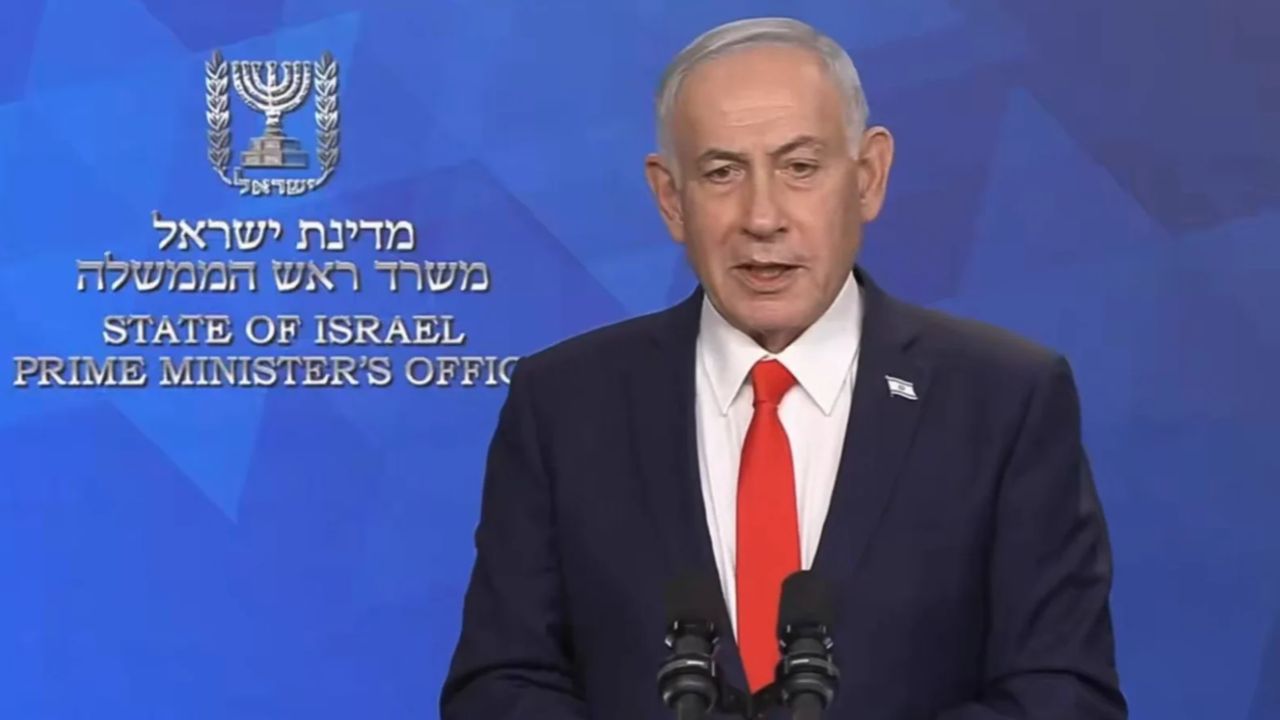
Netanyahu outperformed election-night exit polls, which had suggested that Eisenkot’s opposition might lead. After the partial count emerged, Netanyahu called for a right-wing government and pointed to Israel’s military campaigns. Eisenkot said voters had rejected Netanyahu and pledged to form a government. Neither leader has shown that he can assemble a majority from the parties that have publicly aligned with him.
The Arab-led parties offer Eisenkot a theoretical route to a majority: his bloc’s 48 seats plus their 19 would total 67. But the opposition is divided over whether it can rely on Arab lawmakers. Eisenkot has described his aim as forming a government that serves all Israelis, while leaving open limited cooperation with Arab parties under conditions. Liberman has rejected a coalition that includes Arab parties, and other opposition leaders have also resisted the idea.
Arab lawmakers have called on the opposition to negotiate with them. They could join a formal coalition, support a minority government from outside it or abstain in a confidence vote. Each option carries political risks: Eisenkot could lose support from right-wing members of his own bloc, while an outside-support arrangement could prove unstable. Netanyahu has rejected governing with Arab parties.
A unity government between Netanyahu and Eisenkot could offer another way to reach 61 seats, but both have staked out opposing claims to lead the country. Eisenkot has ruled out serving under Netanyahu, and Netanyahu has publicly called for a right-wing government. If coalition talks fail, the country could hold another election while Netanyahu remains caretaker prime minister.
President Isaac Herzog will consult party representatives after officials certify the results. He must then give a member of the Knesset whom he believes can form a government the mandate to try. That lawmaker generally gets 28 days, with a possible extension of up to 14 days. Herzog has urged party leaders to negotiate with an “open mind” and do everything possible to avoid another election.
Turnout reached 77.7%, Israel’s highest since 1999. The election—the first since the Hamas-led Oct. 7, 2023, attack—tested voters’ views of Netanyahu’s handling of the security failures and the wars that followed. Debate over military-service exemptions for ultra-Orthodox men also featured prominently. The strong showing by Arab-led parties followed increased participation among Arab voters.
For now, the remaining ballots may adjust the seat map, but the harder task begins after the count: Netanyahu and Eisenkot must persuade parties with incompatible positions to back a government. The final tally will establish each camp’s leverage; negotiations will decide whether Israel gets a coalition or returns to the polls.