WASHINGTON (Diya TV) — A bipartisan group of lawmakers is calling on the Food and Drug Administration to take stronger action against the flood of illegal flavored e-cigarettes that are hooking millions of teens on nicotine.
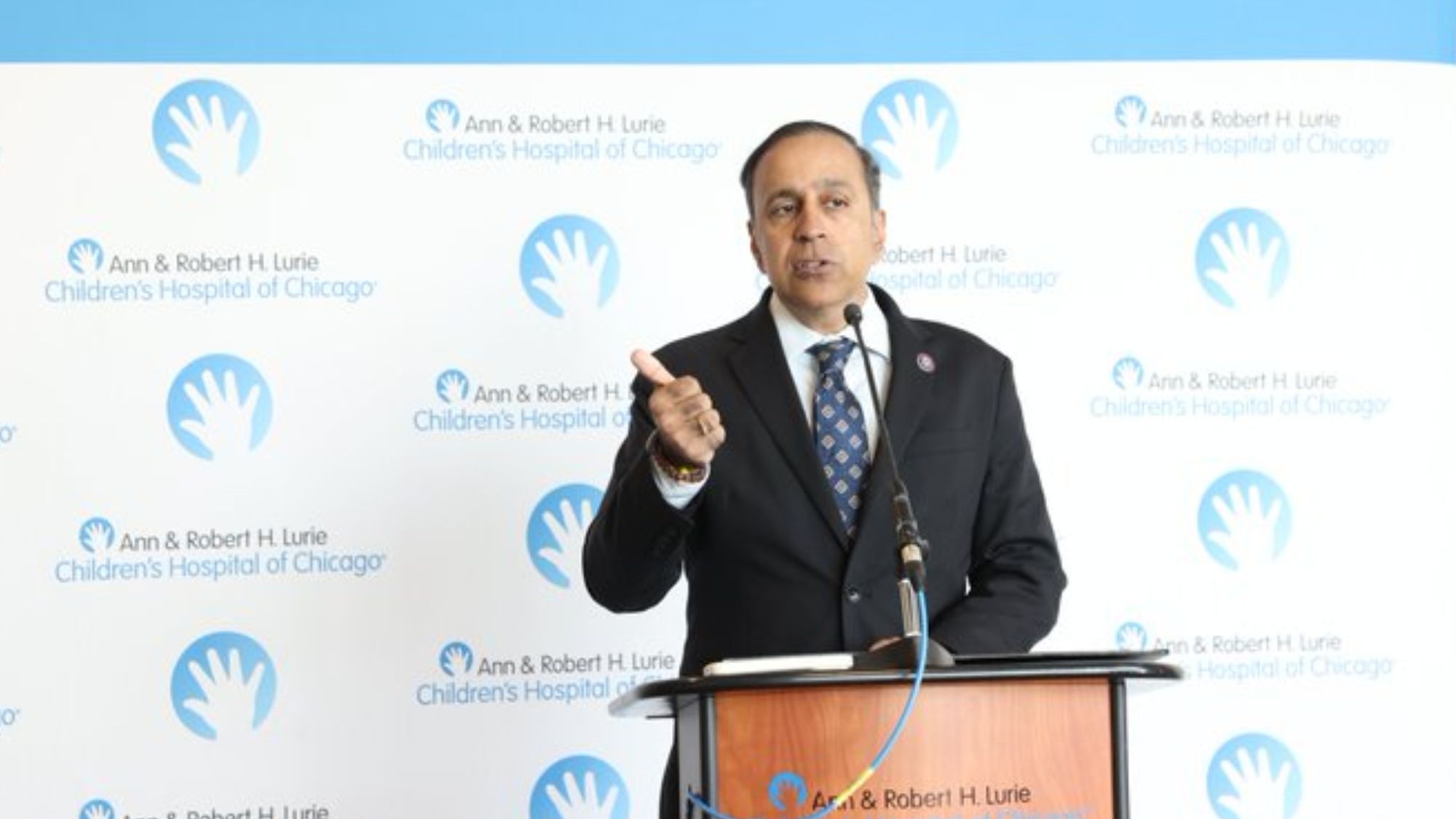
Led by Rep. Raja Krishnamoorthi, a Democrat from Illinois, and Rep. Celeste Maloy, a Republican from Utah, the lawmakers sent a letter urging FDA Commissioner Dr. Marty Makary to prioritize enforcement. They say the growing youth vaping crisis is being driven by thousands of unauthorized products that remain on store shelves and online marketplaces.
Although the FDA has approved just 34 e-cigarette products for legal sale, over 6,000 flavored devices are still widely available. These products often feature flavors like cotton candy, bubblegum, and pink lemonade choices that appeal to children. Many also include flashy features like built-in video games and social media tools, which make them even more attractive to young users.
According to recent federal data, more than 1.6 million youths used e-cigarettes in 2024. Nearly 8% of high school students reported vaping, with 42% saying they used these devices frequently or daily. Lawmakers warn that this trend is especially dangerous because many e-cigarettes contain high levels of nicotine, in some cases, the equivalent of 200 cigarettes in a single device.
Health experts have long warned that nicotine can harm adolescent brain development. It can affect attention, mood, learning, and impulse control. Repeated use also increases the risk of long-term addiction, which may lead to more serious health problems like heart disease, stroke, and cancer.
Krishnamoorthi and Maloy co-chair the bipartisan Caucus to End Youth Vaping. They were joined by Reps. Lloyd Doggett, Mike Kennedy, Lauren Underwood, Burgess Owens, Debbie Wasserman Schultz, and Blake Moore signed the letter. They argue that the FDA must do more to keep illegal products off the market, especially in light of recent staffing cuts.
In May, the FDA announced layoffs at its Center for Tobacco Products, which is responsible for regulating e-cigarettes. Lawmakers say these cuts could hinder the agency’s ability to crack down on unapproved products. They stressed that without aggressive enforcement, more children will fall victim to nicotine addiction.
The lawmakers pointed to a recent joint operation with U.S. Customs and Border Protection that seized nearly $34 million worth of illegal e-cigarettes. While they applauded that effort, they said much more work remains. They want the FDA to use every enforcement tool available to protect young people from these dangerous products.
Yolonda C. Richardson, president and CEO of the Campaign for Tobacco-Free Kids, praised the lawmakers’ push. She said the FDA must act swiftly to remove flavored e-cigarettes from the market. According to her, these products target youth and drive high rates of addiction.
The lawmakers also highlighted research showing that flavors play a major role in teen vaping. In 2024, 87.6% of youth users said they used flavored products. Over 70% said flavors were the main reason they vaped. This data underscores the need for the FDA to keep rejecting flavored product applications and strengthen its oversight.
Moreover, the letter emphasized that flavored e-cigarettes pose a unique threat. Unlike tobacco-flavored products, sweet and fruity varieties are far more appealing to teens. That’s why the FDA has already denied many such products in the past. The lawmakers urged the agency to continue doing so.
They also expressed concern about the backlog of premarket applications awaiting FDA review. With thousands of unauthorized products still on the market, they said delays in enforcement only fuel the crisis.
Despite some recent progress, the lawmakers say more aggressive enforcement is critical. They believe the FDA has a responsibility to protect public health and prevent the next generation from becoming addicted to nicotine. If the agency fails to act, they warned, the consequences could last a lifetime.
As the fight against youth vaping continues, the pressure is now on the FDA to deliver real results. With bipartisan support and growing public concern, lawmakers are hoping their call to action will lead to meaningful change.
The full letter is available here.