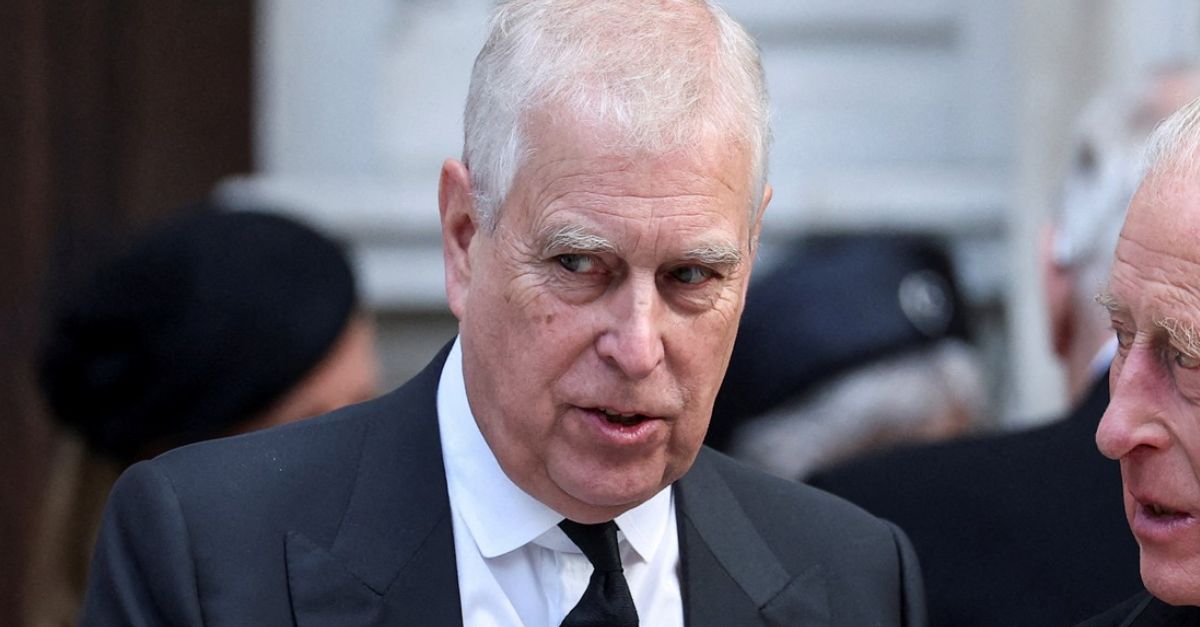
LONDON (Diya TV) — Prince Andrew, the scandal-plagued younger brother of King Charles III, has been stripped of his title as prince, Buckingham Palace announced Thursday. The move marks one of the most dramatic disciplinary actions in modern British royal history and comes after years of controversy surrounding Andrew’s ties to convicted sex offender Jeffrey Epstein.
Buckingham Palace said it had begun the formal process to remove all of Andrew’s “styles, titles, and honors.” He will now be known as Andrew Mountbatten-Windsor, the family surname used by members of the House of Windsor. Palace officials also confirmed that Andrew, 65, will be evicted from Royal Lodge, his long-time residence, and relocated to a smaller private home on the grounds of Sandringham in Norfolk.
“Their majesties wish to make clear that their thoughts and utmost sympathies have been, and will remain with, the victims and survivors of any forms of abuse,” the palace said in a statement.
The decision follows growing public and political pressure after new disclosures surfaced about Andrew’s relationship with Epstein and renewed scrutiny of sexual abuse allegations made by Virginia Roberts Giuffre.
Andrew has denied allegations that he sexually assaulted Giuffre, who said Epstein trafficked her to him when she was 17. She filed a lawsuit against him in 2021, which was settled out of court the following year without an admission of guilt. Epstein died by suicide in 2019 while awaiting trial on sex-trafficking charges, and Giuffre died by suicide in Australia in 2024.
The fallout from these scandals forced Andrew to withdraw from royal duties in 2019 after a disastrous BBC interview. His attempts to defend his relationship with Epstein backfired, sparking public outrage and deepening his isolation within the royal family.
In recent years, Andrew has lost his honorary military titles, the use of the honorific “His Royal Highness,” and now both the title of Duke of York and his status as prince.
Palace insiders say King Charles acted personally to finalize the decision, supported by senior royals including Prince William. Officials said Charles issued “royal warrants” to the Lord Chancellor to remove Andrew’s titles from the Peerage Roll — the official record of British nobility — without involving Parliament.
The move stretches the king’s royal prerogative but avoids a constitutional debate that could have further embarrassed the monarchy. Royal experts say Charles wanted to take swift action to protect the institution’s reputation amid declining public support.
A 2023 poll by the National Center for Social Research found that only 54% of Britons considered the monarchy “important,” down from 86% in 1983. Analysts believe the Andrew scandal has played a role in that decline.
Not since King Edward VIII’s abdication in 1936 has the royal family faced such a public demotion of one of its senior members. Unlike Prince Harry and Meghan Markle, who stepped back from royal duties in 2020 but retained their titles, Andrew now holds no royal or noble status.
Although Andrew remains eighth in line to the throne, royal observers note that he will never resume any public duties. His daughters, Princess Beatrice and Princess Eugenie, will keep their titles and remain on good terms with other members of the royal family.
Palace officials said Andrew will move to a smaller residence on the Sandringham estate, which King Charles personally owns. The king will provide limited financial support from his private funds. Andrew’s former wife, Sarah Ferguson, who lived with him at Royal Lodge, will receive no further support from the royal family.
The announcement effectively ends Prince Andrew’s public life. Once celebrated as “the Queen’s favorite son,” he now faces a quiet existence away from royal duties and public appearances.
Experts say King Charles’s decision signals a new era of accountability within the monarchy. It shows the king’s willingness to prioritize the crown’s integrity over family loyalty.
“The monarchy is built on public trust,” said a royal historian. “This was about sending a clear message — no one, not even the king’s brother, is above that.”
As Britain’s royal family continues to modernize under King Charles III, the fall of Prince Andrew — now Andrew Mountbatten-Windsor — serves as a stark reminder of how deeply personal missteps can reshape royal history.