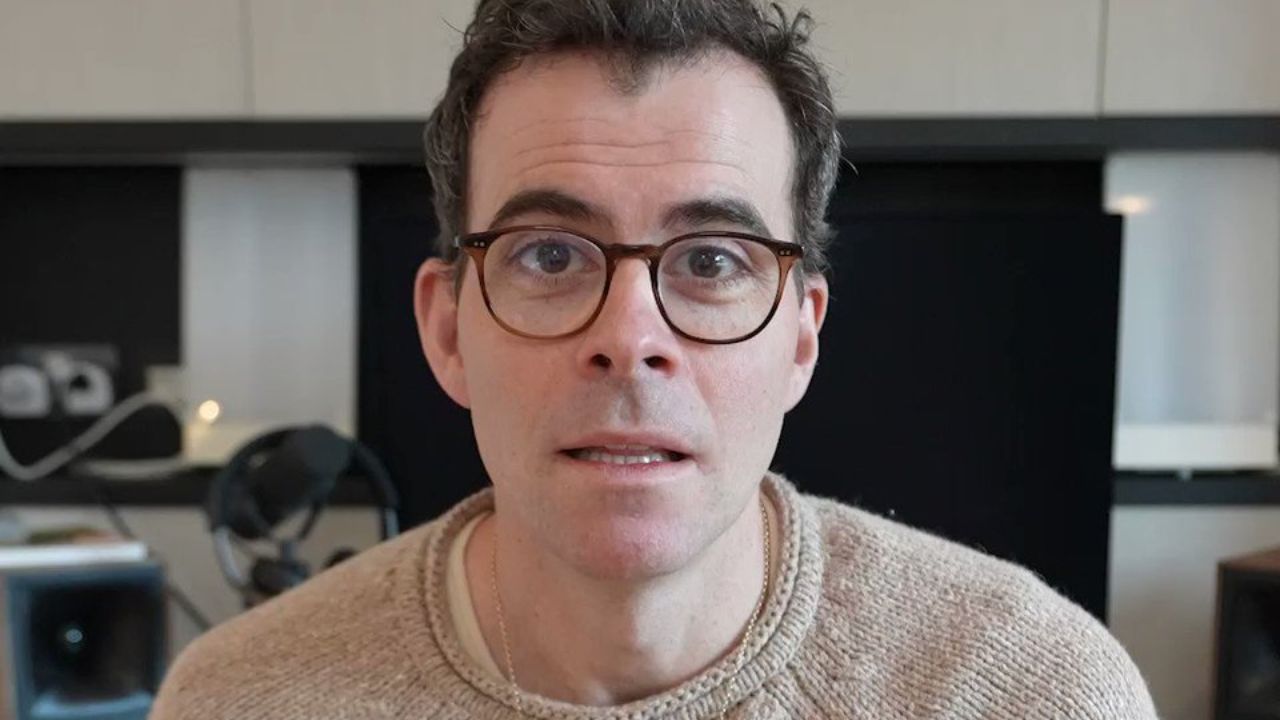
OAKLAND, Calif (Diya TV) — Instagram CEO Adam Mosseri rejected claims Tuesday that Meta hid negative information about the platform’s teen safety features. He defended the company’s approach during a major federal trial that could reshape how social media platforms serve young users.
Mosseri told a California courtroom that he did not encourage employees to hide information from the public. His testimony marked a key moment in the lawsuit, which 29 U.S. states brought against Meta, the parent company of Instagram and Facebook.
“I am not trying to encourage my team to hide anything,” Mosseri said.
Mosseri became the first top Meta executive to testify in the historic trial. He began his testimony late Tuesday, and prosecutors plan to question him again Wednesday.
The case focuses on allegations that Meta designed its platforms to keep young people engaged for long periods. The states argue that these practices can contribute to mental health problems among children and teenagers.
Prosecutors also accuse Meta of collecting information from children under 13 without parental permission. They say the company violated federal and state laws through those practices.
Mosseri faced sharp questions about Instagram’s teen safety tools. Prosecutors focused on whether the company shared enough information about how often teenagers used those features.
One example involved Take a Break, an Instagram tool that encourages users to stop scrolling after spending time on the platform. Prosecutor Jason Slothouber of Colorado said only 1.8% of teens signed up for the feature.
However, Mosseri had promoted the tool publicly without giving that figure. He said Instagram does not publish every statistic.
“I’ve definitely said publicly that the opt-in rates are low,” Mosseri said. “I don’t know if I’ve said numbers.”
The exchange became important because prosecutors want to show that Meta promoted safety programs while withholding data that could show their limited reach.
Mosseri also faced questions about a 2021 Instagram blog post. He published the post one day before appearing before a U.S. Senate committee. The post announced Take a Break and described efforts to improve protections for teens and support parents.
Slothouber questioned why Mosseri released the post so close to his Senate testimony. Mosseri said Instagram had made progress and wanted to share that progress publicly.
Prosecutors then asked Mosseri about “drumbeat messaging.” The term refers to repeating a message often to increase public awareness. Mosseri said Instagram needed to repeat information about safety tools because parents needed to know about them.
Meanwhile, the trial has featured testimony from former Meta employees and outside experts. Arturo Béjar, a former Meta safety engineer and whistleblower, told jurors that Meta followed a “don’t ask, don’t tell” approach to child safety.
Other witnesses have discussed the possible effects of social media on young users. Their testimony has added to the states’ argument that Meta knew about potential risks but failed to make stronger changes.
Meta has denied the allegations. The company has called the states’ potential damages claim an “outlandish payout.” Meta also says its safety teams work to improve the experience for young users.
The stakes remain high. If the states win, Meta could face damages of up to $200 billion. The company could also have to change how Instagram and Facebook operate around children and teenagers.
Legal experts say the outcome could affect the wider social media industry. A ruling against Meta could pressure other platforms to change their safety features, data practices and product designs.
The trial could continue through September. Meta CEO Mark Zuckerberg is among the witnesses expected to testify.
As the case moves forward, Mosseri’s testimony gives jurors a closer look at how Instagram handled teen safety, public disclosures and internal concerns. The testimony could prove important as the court considers whether Meta put user growth and engagement ahead of child safety.