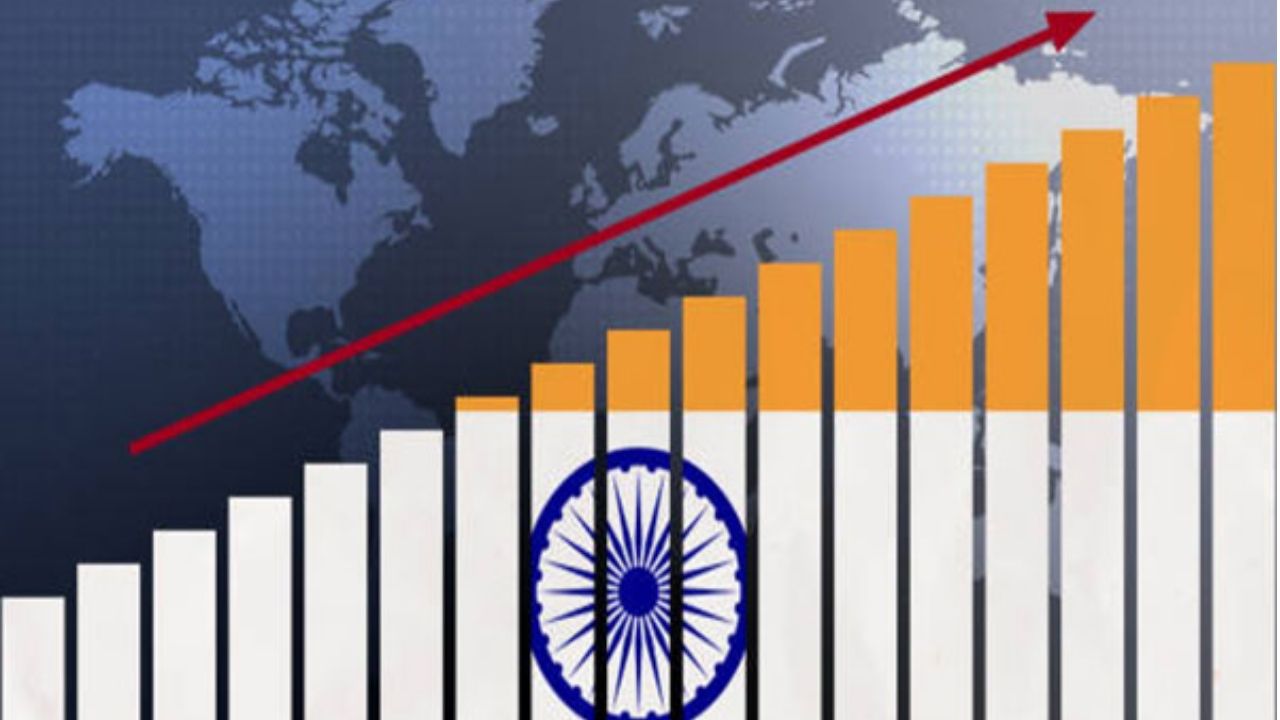
NEW DELHI (Diya TV) — India’s economy grew 7.8% in the April-June quarter, beating market expectations and showing strong momentum in investment, manufacturing and consumer spending.
The growth rate exceeded the 7.1% forecast in a Reuters poll. However, it slowed from a revised 8.6% growth rate in the previous quarter. The latest figure also surpassed the Reserve Bank of India’s estimate of 7% for the first quarter of the fiscal year that began in April.
Consumer spending remained a key driver of the economy. Personal consumption rose 7.1% during the quarter. That was up from 6.8% during the same period a year earlier.
Tax cuts also helped support household spending. The government reduced taxes on several goods and services earlier this year. It also lowered income tax rates. As a result, consumers gained more room to spend.
Investment also showed a sharp improvement. Private investment growth nearly doubled to about 12%. It had grown only 5.8% a year earlier.
“Robust credit demand and resilient domestic consumption” show the strength of economic activity, said Tanay Dalal, senior vice president for business and economic research at Axis Bank.
Credit growth has remained strong across major parts of the economy. According to the RBI’s August bulletin, lending to farming, industry and services remained healthy. Bank credit grew 18.3% at the end of the June quarter. That marked the fastest pace in more than a decade.
India’s gross value added, which gives a clearer view of economic activity, grew 8.2% during the quarter. The measure removes some effects from taxes and subsidies.
Manufacturing also gained strength. The sector grew 9.2% in the April-June quarter. That compared with 8.3% during the same period last year.
Financial services posted even stronger growth. The sector expanded 12.1%, compared with 8.8% a year earlier. Strong bank lending helped drive the increase.
Prime Minister Narendra Modi welcomed the latest figures. He described the growth as a “herculean feat” in a post on X.
Still, economists see risks ahead. Higher oil prices remain a major concern for India. The country imports nearly 85% of its crude oil needs. Most of those supplies come from the Middle East.
Crude oil prices have remained close to $90 a barrel. Therefore, a prolonged rise in oil prices could increase inflation and pressure India’s trade and government finances.
Chief Economic Adviser V. Anantha Nageswaran said higher petroleum prices could also weaken global demand. They could affect India’s exports in the coming years. He also stressed the need for greater export diversification and stronger cost competitiveness.
The RBI also faces a difficult policy outlook. Minutes from its August meeting showed that two members, including Gov. Sanjay Malhotra, supported broad-based policy tightening if inflation rises. Therefore, a rate hike later this year remains possible.
Meanwhile, the monsoon remains another important factor. India receives about 70% of its annual rainfall during the monsoon season. The rains support agriculture and rural incomes.
However, nearly half of India’s farmland does not have irrigation. That leaves many farmers exposed to weak rainfall.
Farm output grew 3.6% in the April-June quarter. The pace matched the previous quarter.
Despite these risks, economists remain positive about India’s growth outlook. Radhika Rao, senior economist at DBS Bank, said the main risks now come from oil prices, a weaker rupee and tighter global financial conditions.
India could maintain growth above 7% for the full fiscal year, although global conditions will remain important.