TORONTO (Diya TV) — For decades, India and Canada enjoyed a strong relationship rooted in democratic values, trade, and a growing Indian diaspora. Thousands of Indian students chose Canada for higher education, and the Indian community became a powerful force in Canadian society. But in 2023, that relationship faced its toughest test yet.
In September 2023, then-Prime Minister Justin Trudeau accused India of involvement in the killing of Hardeep Singh Nijjar, a Canadian citizen and separatist leader deemed a terrorist by India. Speaking in Parliament, Trudeau claimed he had “credible allegations” based on intelligence from the Five Eyes alliance. But he offered no solid evidence.
India strongly denied the accusations, calling them baseless. The government suspended visa services for Canadians and expelled Canadian diplomats. Ottawa responded in kind. Relations fell into a deep freeze.
Nijjar was a naturalized Canadian citizen but wanted to establish an independent Sikh state in India’s Punjab region. Indian authorities accused him of serious crimes, including drug trafficking, gun running, and extortion. To India, Nijjar was not a political activist, but a threat to national security.
Canada, however, saw the issue differently. Under its broad free speech laws, figures like Nijjar were often treated as activists rather than extremists. Trudeau’s government was also under pressure from the New Democratic Party and its leader Jagmeet Singh, who openly supported the Sikh separatist cause.
The political cost of Trudeau’s stance was high. For nearly two years, he failed to present any hard evidence. His credibility suffered, and public trust declined. By early 2025, he was out of office. Former Bank of Canada Governor Mark Carney became Prime Minister.
In a surprise election, the Conservative Party failed to secure a majority. The Liberal Party, though weakened, formed the new government. Carney struck a more measured tone and began quietly repairing ties with India.
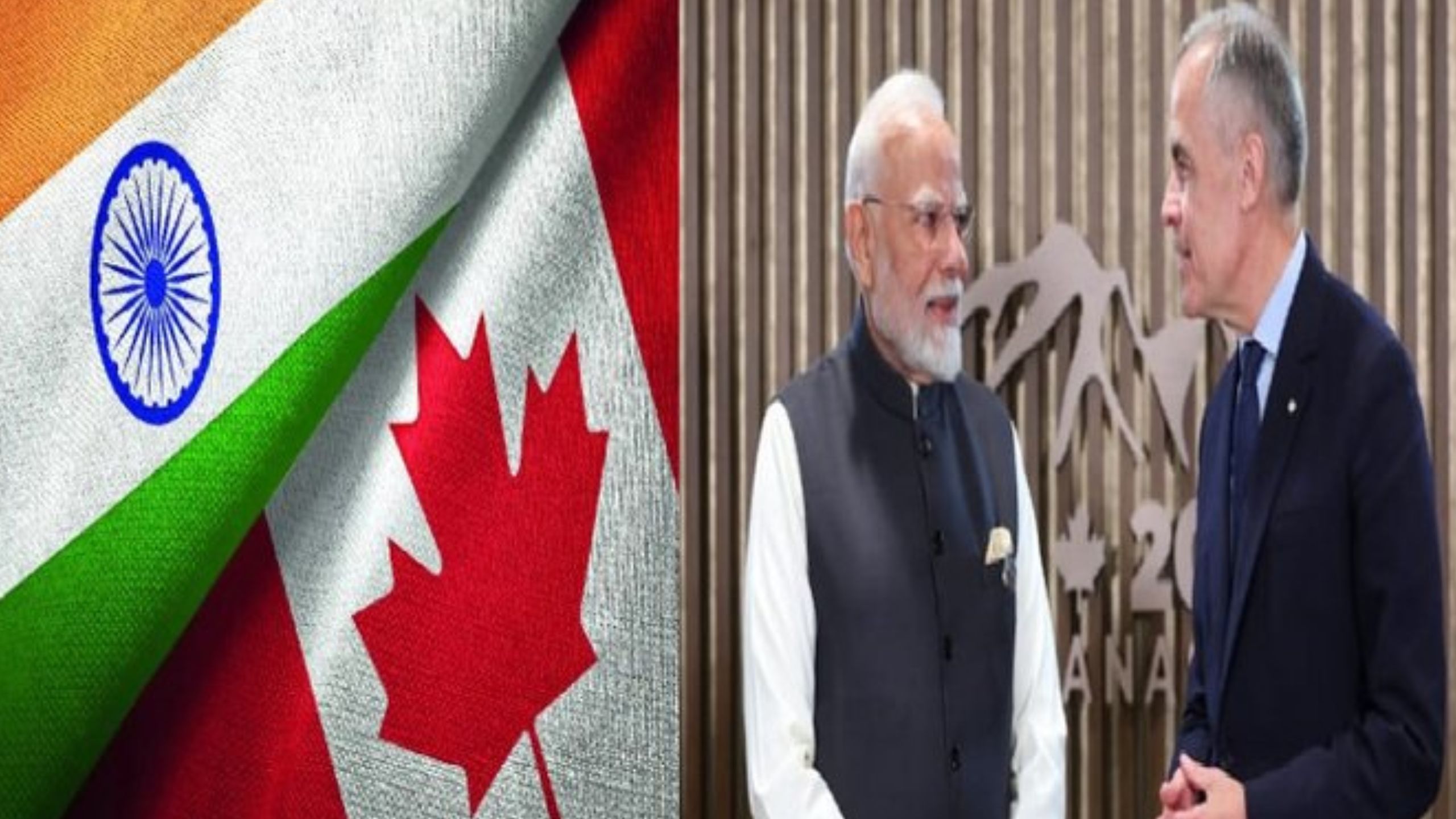
By mid-2025, both sides began a careful diplomatic reset. There were no grand announcements or handshakes. Instead, quiet talks resumed in back channels. At the G7 summit hosted by Canada, Carney invited Indian Prime Minister Narendra Modi under pressure from other world leaders.
Both countries realized that silence was not a long-term strategy. India has long warned Canada about Sikh extremism. Canada, in turn, needed to protect its democratic values while managing complex diaspora politics.
The economic stakes are high. Indian students make up the largest group of international students in Canada. They bring billions of dollars to universities and the economy. A long diplomatic standoff threatened this vital income stream.
India also relies on Canada for energy, pulses, and other natural resources. Canadian pension funds continue to invest heavily in Indian infrastructure. Despite political tension, trade between the two countries remained stable in 2024 and 2025.
Negotiations for the Early Progress Trade Agreement, which stalled after the diplomatic fallout, are now back on the table. Both countries see economic cooperation as a way to move forward.
International politics have also played a role. A new Trump administration in Washington has triggered global uncertainty. Both India and Canada now face harsh tariffs from the U.S., once a close ally. Canada, in particular, stands to lose a major export market.
India, with its strong domestic economy, is better positioned to handle the pressure. For Canada, India now looks like a valuable trade partner, especially for energy exports. An energy-hungry India is open to buying from any country offering competitive prices.
While neither country has apologized or backed down, both have chosen to re-engage. The Nijjar issue hasn’t disappeared. India remains concerned about Sikh extremists in Canada. Canada continues to voice concerns about human rights in India.
Yet diplomacy is not about agreement. It’s about managing disagreement.
New high commissioner appointments are under discussion. Visa services are being quietly restored. Trade talks have restarted behind the scenes. The Indian diaspora, with its 1.4 million people in Canada, remains a key link between the two nations.
India and Canada are rebuilding ties not through friendship, but through mutual need. Under the shadow of U.S. tariffs and global instability, both countries have chosen pragmatism over pride.
This new chapter in India-Canada relations may not be warm, but it is practical. And in today’s fractured world, that may be the strongest kind of partnership there is.