WASHINGTON (Diya TV) — Hindu and Jewish leaders have joined forces on a seven-city speaking tour across the United States to confront rising hate, strengthen interfaith ties, and empower their communities to counter bias and disinformation. The national initiative, organized by HinduACTion, brought together faith leaders, civic activists, policy experts, and community members in Washington, D.C., New York, Texas, Ohio, the San Francisco Bay Area, and Los Angeles.
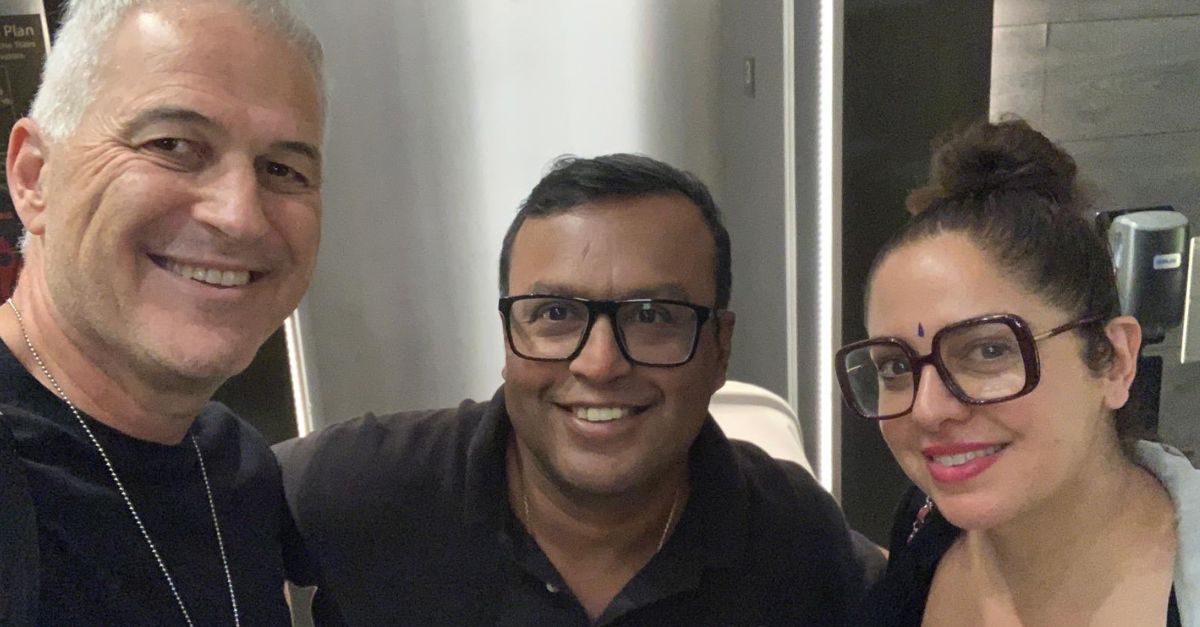
The tour was led by HinduACTion Executive Director Utsav Chakrabarti, Director of Communications Adelle Nazarian, and Israeli educator Uri Goldflam. Together, they delivered a unified message of resilience, collaboration, and empowerment.
The HinduACTion Jewish Solidarity Tour began on Oct. 7, marking two years since the deadly attacks on Israel by Hamas and allied groups. The event set the tone for the series, emphasizing the need for unity in the face of shared struggles.
At each stop, the speakers engaged with audiences on how Hindu and Jewish communities are targeted within educational institutions and government-funded entities. They offered practical strategies to identify and combat these challenges through dialogue, advocacy, and coordinated action.
“This tour was about empowerment,” said Adelle Nazarian, HinduACTion’s Director of Communications. “We gave attendees practical tools to identify and confront disinformation and institutional bias, and we built meaningful bridges between two communities that refuse to be silenced.”
The discussions drew diverse audiences, from students and educators to policymakers and faith leaders, all seeking tangible ways to build stronger and safer communities. Throughout the tour, speakers highlighted the shared history of persecution and resilience that both Hindu and Jewish communities have endured. They discussed how centuries of discrimination, cultural erasure, and misinformation have shaped their collective experiences — and how solidarity can help them push back against these forces today.
“Our communities share not only millennia-old histories but also modern challenges,” said Utsav Chakrabarti. “We are facing increasingly sophisticated attempts to marginalize us — and it’s time to unite our voices, strategies, and resources to push back.”
Drawing from his experience as an educator and veteran, Uri Goldflam underscored how antisemitism and anti-Hindu hate manifest in schools, media, and policymaking spaces. He called for vigilance and coordinated responses to prevent further division.
“The challenges may differ in form, but they share the same roots — ignorance and intolerance,” Goldflam said. “By standing together, we strengthen not just our communities but the very fabric of pluralistic democracy.”
The final day of the tour coincided with two major developments — the release of Israeli hostages held by Hamas and the veto of California Senate Bill 509, which would have mandated law enforcement training on “transnational repression.”
The bill was strongly opposed by Hindu rights groups across the United States, who argued it could have been used to stigmatize Hindu Americans. The confluence of these events underscored the urgency and relevance of the tour’s message — that collective action and cross-community solidarity are essential in challenging bias and discrimination. Organizers described the timing as symbolic. It represented both a moment of relief and renewed commitment to advocacy and education.
“This day reminded us why unity matters,” said Nazarian. “We are stronger when we share our stories, defend our freedoms, and support one another.”
HinduACTion collaborated with several national and international organizations, including the American Jewish Committee (AJC), Stand With Us, Hindus of DFW, Jewish National Fund-USA, End Jew Hate, and Building Bridges. These partnerships emphasized that the effort to counter antisemitism and anti-Hindu hate goes beyond individual advocacy — it requires coordinated, community-wide engagement.
By the end of the tour, attendees gained tool to recognize bias, defend their narratives, and strengthen bonds of mutual respect.
“This tour proved that dialogue can lead to action,” said Chakrabarti. “When our communities unite, we send a clear message — hate will not divide us.”