BERLIN, Germany (Diya TV) — Germany faces a growing labor shortage. An aging population and a low birth rate have left many jobs unfilled. Businesses now struggle to find workers, especially in skilled trades. To address the gap, Germany is turning to India, reports the BBC, where a large young population is eager for opportunities abroad.
Germany’s workforce is shrinking. Many older employees are retiring. At the same time, fewer young Germans are entering skilled professions. This trend affects industries such as construction, food production, and transportation.
A 2024 study warned that Germany needs about 288,000 foreign workers each year. Without them, the workforce could shrink by 10% by 2040. Small businesses feel the pressure the most. Many cannot survive without new workers. The butchery trade shows this clearly. The number of small butcher shops dropped from 19,000 in 2002 to fewer than 11,000 in 2021. Young Germans often avoid such physically demanding jobs.
India offers a solution. The country has a large and young population. Millions enter the job market every year, but many struggle to find stable employment. This gap creates an opportunity for both countries. German employers get workers. Indian youth get jobs, training,g and higher wages.
In 2022, Germany and India signed a Migration and Mobility Partnership Agreement. This deal made it easier for skilled Indian workers to move to Germany. In 2024, Germany increased its skilled worker visa quota for Indians from 20,000 to 90,000 per year. The number of Indian workers in Germany has already grown. Official data shows 136,670 Indians worked in Germany in 2024. That figure was just over 23,000 in 2015.
The shift began with small steps. In 2021, a German trade organization received an email from an Indian recruitment agency. The message offered young candidates for vocational training.
At the time, German employers urgently needed workers. Many agreed to try the idea. Soon, 13 young Indians arrived in Germany in 2022. They began apprenticeships in butchery shops near the Swiss border. That small group marked the start of a larger trend. Today, about 200 young Indians work in similar roles. Recruitment efforts continue to grow.
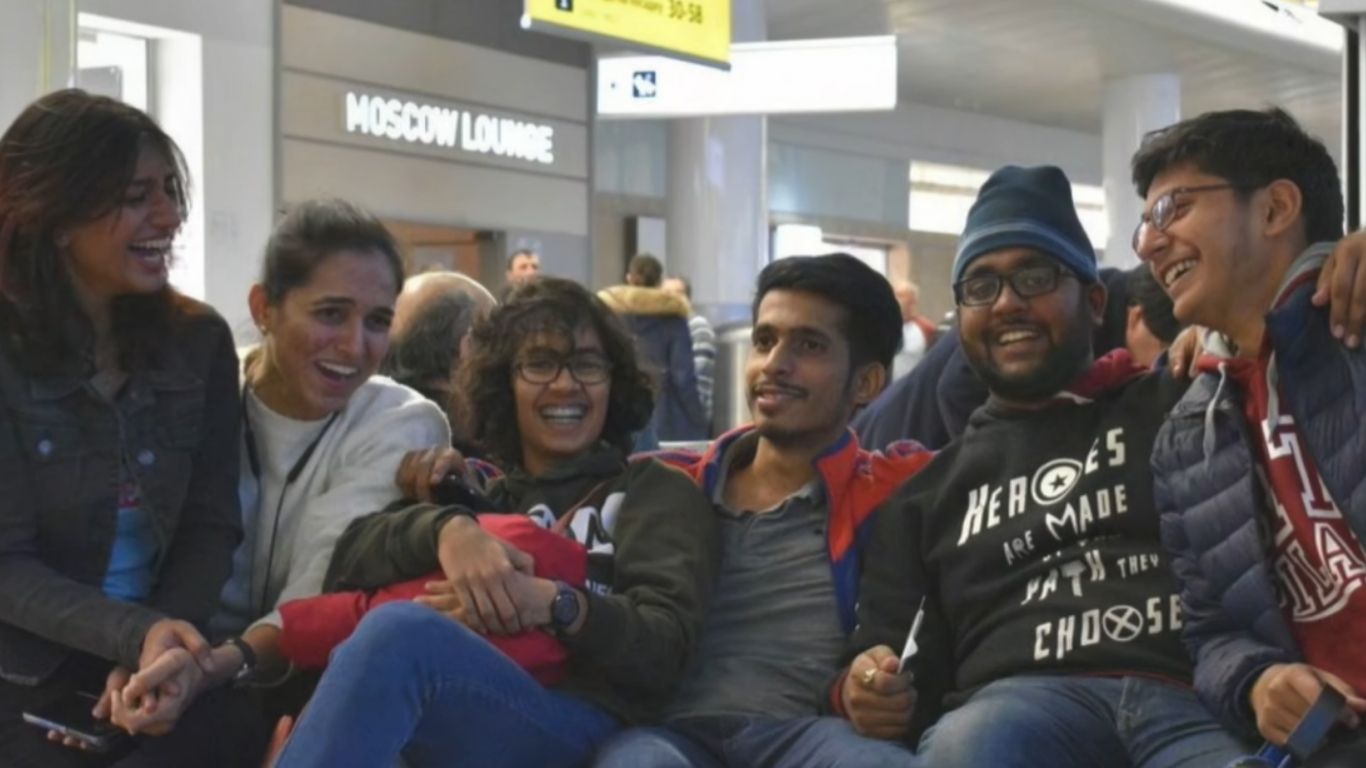
For many Indian workers, moving to Germany is a major life decision. It offers better pay, job security, and a chance to build a future. Many also see it as a way to support their families back home. Higher wages in Europe allow them to send money to relatives in India.
Some workers also value the lifestyle changes. They mention clean environments, structured training, and stable careers. Even demanding work schedules do not discourage them. Apprenticeships, known as “Ausbildung” in Germany, play a key role. These programs combine classroom learning with hands-on experience. They help workers gain skills while earning money.
German businesses increasingly depend on foreign workers to survive. Small companies, in particular, face closure without new hires. In some towns, local industries have nearly disappeared. Employers say they would not remain open without workers from abroad. Indian recruits now fill roles in bakeries, transport companies,s and construction firms. The demand extends beyond private businesses. Local governments also struggle to hire staff. Some towns now recruit foreign workers for public services, including education.
Experts say immigration is not a temporary fix. Germany will likely rely on foreign workers for years to come. Demographic trends show no quick reversal. Leaders across sectors agree on one point. Germany must look beyond its borders to sustain its economy. For India, the partnership also brings benefits. It creates jobs, builds skills, and strengthens global ties.