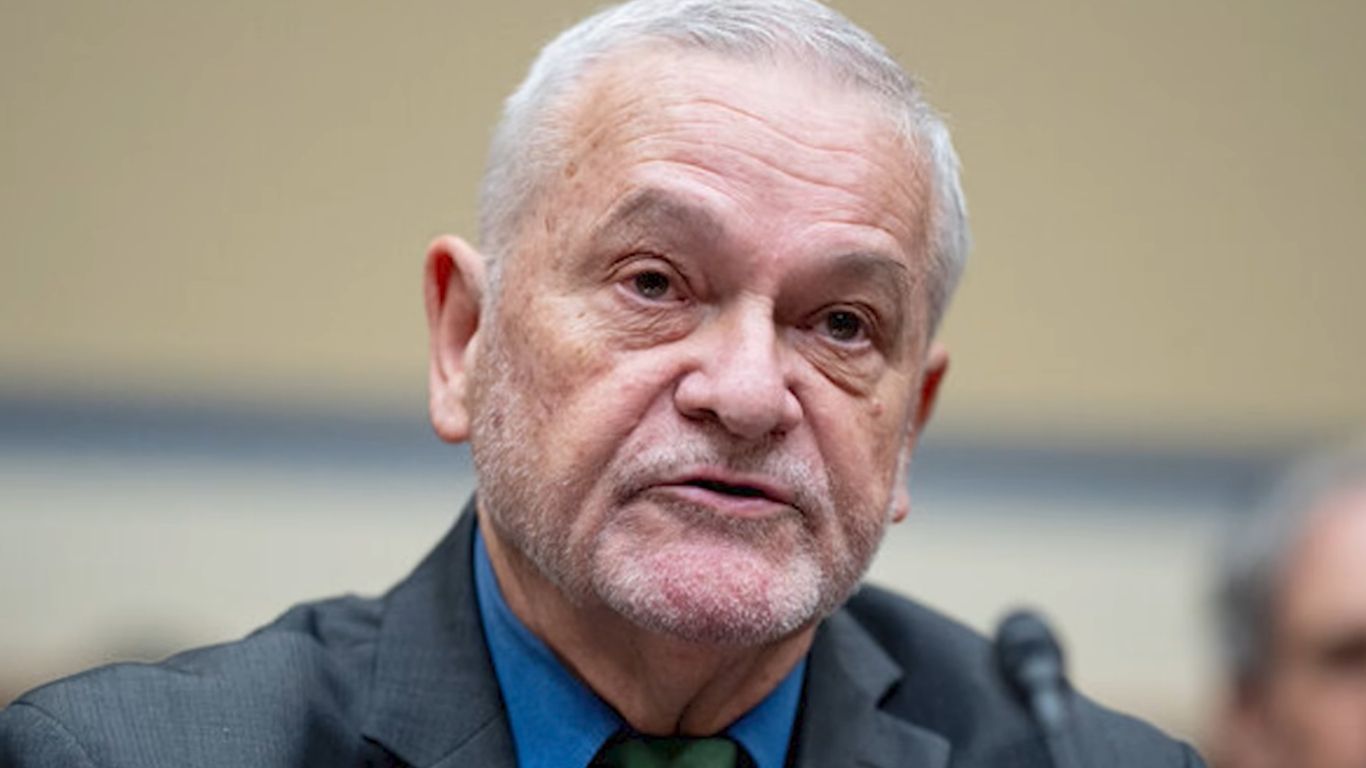
GREENBELT, Md. (Diya TV) — A former senior official at the National Institutes of Health has been indicted on federal charges tied to alleged efforts to conceal records related to coronavirus research. The case adds new scrutiny to how officials handled communications during and after the COVID-19 pandemic.
A federal grand jury indicted David Morens, 78, on three felony counts, including obstruction of justice and conspiracy. Prosecutors allege that Morens used a private Gmail account to conduct official business. They say he did so to avoid public records requests and limit transparency. Morens appeared briefly in court earlier this month. Authorities released him on his own recognizance. The indictment became public on Monday, according to court records.
Morens served as a senior adviser to Dr. Anthony Fauci for years. Fauci led the National Institute of Allergy and Infectious Diseases, a division of the NIH, during the COVID-19 crisis.
Prosecutors claim Morens used his personal email to discuss sensitive research topics. These topics included federally funded studies on coronaviruses found in bats. Some of this work involved so-called gain-of-function research. This type of research can make viruses more transmissible or deadly to better understand them.
The indictment alleges Morens tried to avoid Freedom of Information Act, or FOIA, requests. These requests allow the public to access federal records. After the COVID-19 outbreak, several organizations filed FOIA requests seeking information about coronavirus research. Groups that submitted requests included Science Magazine, Judicial Watch, and the Heritage Foundation. Investigators say Morens used his private account to bypass official systems and keep certain communications out of reach.
The indictment highlights a 2021 email that has drawn attention. In that message, Morens wrote that he had learned how to make emails “disappear” after a FOIA request but before a search began. He also said he deleted earlier emails after sending them to his Gmail account.
However, the indictment does not directly accuse Morens of destroying federal records. Instead, it focuses on his alleged intent to obstruct access to information. During a 2024 congressional hearing, Morens denied wrongdoing. He said he never received advice on how to evade FOIA requests. He also said he tried to avoid using his personal email for official matters. Morens claimed any deleted messages were personal, not work-related.
The indictment refers to two unindicted co-conspirators. It does not name them. However, records from congressional investigations suggest they are Peter Daszak and Gerald Keusch. Daszak is a zoologist and the former president of EcoHealth Alliance. Keusch is a physician and former associate director at Boston University’s infectious disease lab. Neither has been charged with a crime in this case. Attorneys for Daszak and Keusch did not respond to requests for comment. Morens’ lawyer also declined to comment.
Lawmakers from both parties have criticized Morens’ actions. During the House hearing, members said his conduct showed a lack of respect for public transparency. Some accused him of trying to hide information from the American public. Sen. Rand Paul urged the Justice Department to investigate Morens last year. He cited what he called strong evidence of violations of federal law involving recordkeeping and disclosure. House Oversight Committee Chair James Comer praised the indictment. He said it shows accountability for public officials. Comer claimed investigators had uncovered clear evidence of wrongdoing.
Fauci has not been accused of any wrongdoing in the case. During the 2024 hearing, he said he did not work closely with Morens. He also sought to distance himself from the controversy. Fauci became a central figure during the pandemic response. His leadership drew both strong support and sharp criticism across political lines.