FREMONT, Calif. (Diya TV) — Indian American voters in California’s 14th Congressional District are navigating a tense political moment ahead of the June 2 Democratic primary. Community members say they feel pressure from both national rhetoric and local policy debates, raising concerns about representation, civil rights, and trust.
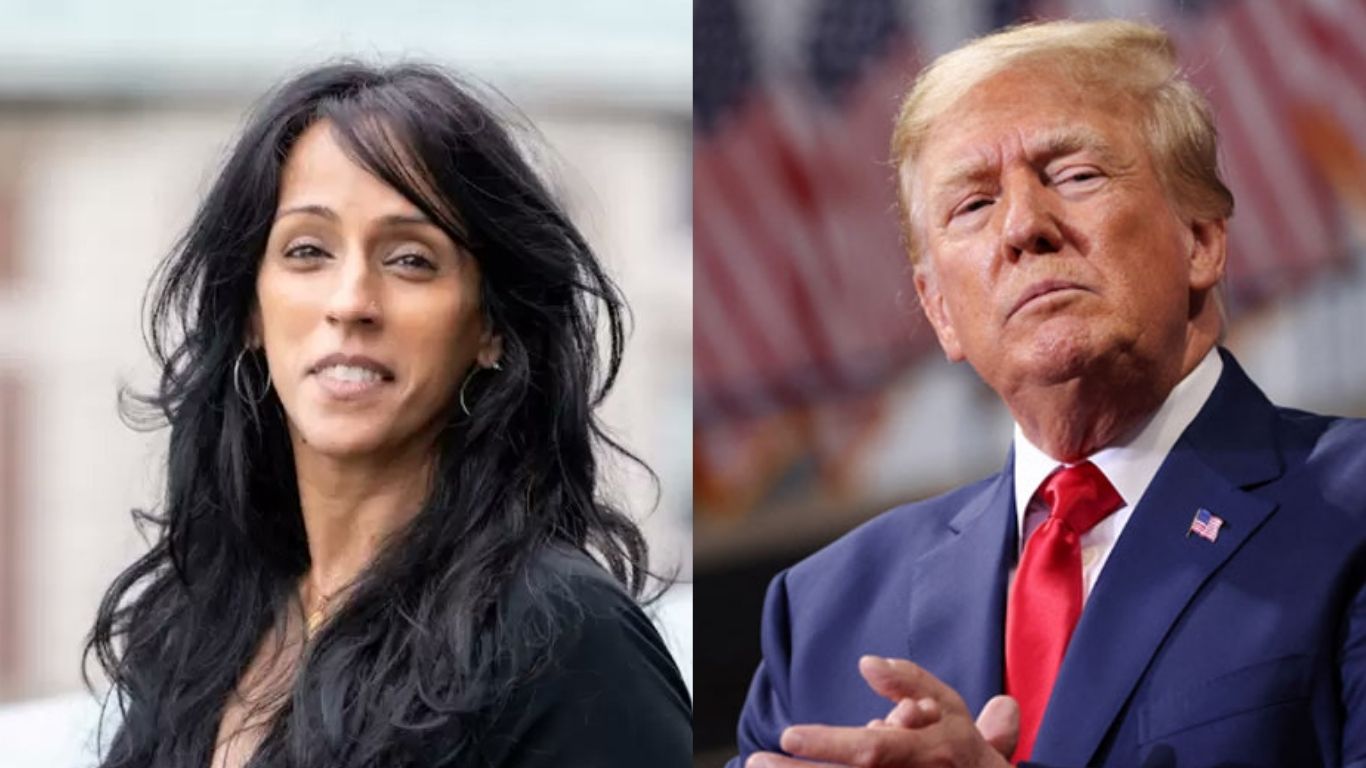
The issue gained urgency after Donald Trump shared content on social media from radio host Michael Savage that described India and China in derogatory terms and accused immigrants from those countries of harming American workers. The post drew sharp criticism from India’s government and advocacy groups in the United States. The Ministry of External Affairs called the remarks inappropriate. The Hindu American Foundation said such rhetoric could fuel discrimination and increase risks for Indian Americans.
For many voters in the East Bay, the controversy felt personal. A large share of Indian Americans in the district work in technology fields. Community leaders said the language used in the post echoed stereotypes that undermine their professional contributions and sense of belonging.
At the local level, debate continues over California Senate Bill 403, introduced in 2023 by state Sen. Aisha Wahab. The bill sought to add caste as a protected category under state anti-discrimination laws. Supporters framed it as a civil rights measure. Critics argued it unfairly singled out South Asians, especially Hindus. Gov. Gavin Newsom vetoed the bill, saying existing laws already covered ancestry-based discrimination.
Opponents, including several Hindu American organizations, said the proposal relied on disputed data and risked stigmatizing an entire community. They argued that while discrimination should be addressed, policy must avoid broad assumptions about any group. The debate intensified during a high-profile case involving engineers at Cisco Systems. California’s Civil Rights Department accused two Indian American employees of caste discrimination. In 2023, the state dropped the case. Critics cited the outcome as evidence of flawed assumptions and due process concerns.
The CA-14 Democratic primary includes several candidates. However, Indian American voters say few have directly addressed their concerns about both national rhetoric and the legacy of SB-403. Candidates such as Melissa Hernandez, Matt Ortega, and Wendy Huang have not issued detailed public statements on these issues. That silence has drawn criticism from some community members who want clearer positions on civil rights protections. Wahab, now a congressional candidate, continues to defend her record. Critics argue she has not fully addressed concerns raised during the SB-403 debate.
Attorney and educator Rakhi Israni has emerged as a prominent voice among Indian American voters in the district. She opposed SB-403 during legislative hearings and has emphasized civil liberties and equal treatment under the law. Israni has framed her campaign around inclusion and fairness. She has criticized both anti-immigrant rhetoric and policies she believes unfairly target specific communities. She also supports immigration reforms, including removing per-country visa caps, an issue affecting many Indian families.
Her campaign has received an endorsement from Raja Krishnamoorthi, a leading Indian American lawmaker in Congress. Supporters say Israni’s long-standing ties to the local community set her apart. She lives and works in Fremont, a city with a large Indian American population, and has built grassroots support among voters.
As the primary approaches, Indian American voters in CA-14 face a decision shaped by both national and local dynamics.