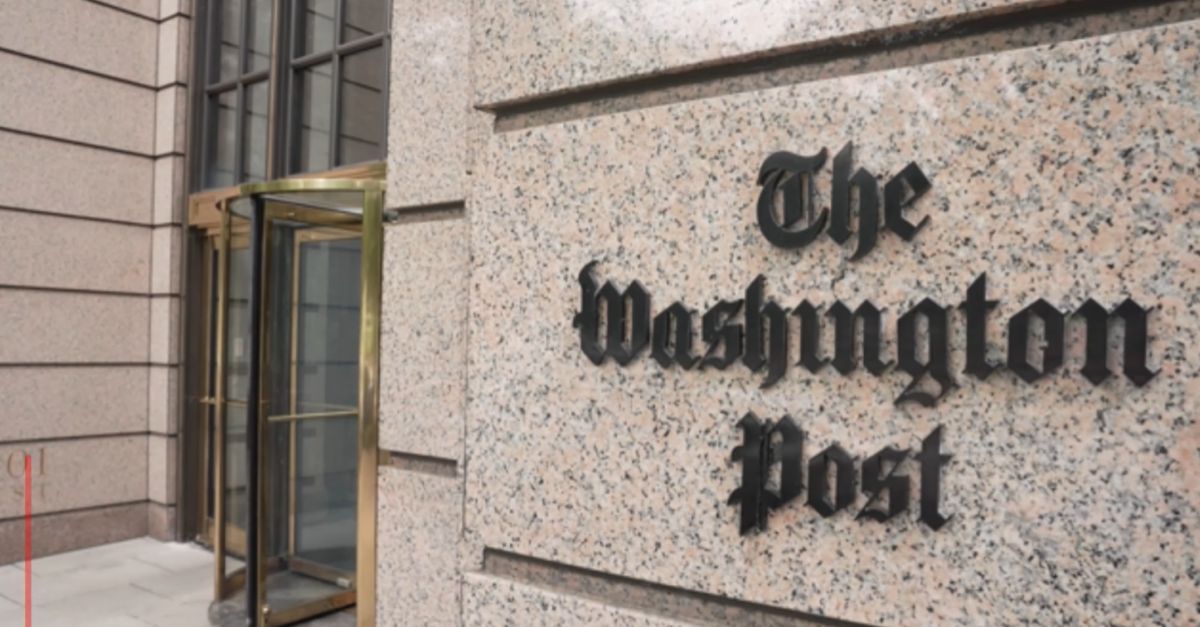
WASHINGTON (Diya TV) — The FBI executed a search warrant Wednesday morning at the home of a Washington Post reporter, a rare and aggressive step that has alarmed press freedom advocates and raised questions about government limits on newsgathering.
The search took place at the Virginia home of reporter Hannah Natanson. Federal agents arrived early in the morning and searched her residence and electronic devices. They seized her cellphone, two laptops, and a Garmin watch. One laptop belonged to Natanson personally, and the other was issued by The Washington Post. Investigators told Natanson she is not the target of the investigation.
The search is tied to a federal investigation involving Aurelio Perez-Lugones, a Maryland-based government contractor with a top-secret security clearance. Prosecutors accuse Perez-Lugones of illegally retaining classified national defense information.
According to an FBI affidavit, investigators found classified intelligence reports in Perez-Lugones’ lunch box and later in his basement. The Justice Department alleges he accessed sensitive intelligence without authorization and removed it from secure facilities.
Officials said Perez-Lugones exchanged messages with Natanson at the time of his arrest last week. Investigators claim the messages contained classified information. The criminal complaint against Perez-Lugones does not accuse him of leaking information to the media. Perez-Lugones, a Navy veteran, made his initial court appearance Friday in Maryland. He remains in federal custody and is scheduled to appear in court again on Thursday.
The Washington Post also received a subpoena on Wednesday morning related to the same investigation. According to a person familiar with the matter, the subpoena seeks communications between Perez-Lugones and other Post employees.
In an email to staff, Executive Editor Matt Murray called the FBI action “extraordinary” and “deeply concerning.” He said it raises serious questions about constitutional protections for journalists and their work. Murray said the newsroom stands firmly behind Natanson and press freedom. He told staff to continue reporting aggressively and independently.
Attorney General Pam Bondi defended the search in a social media post. She said the Justice Department acted at the request of the Department of War. She accused the reporter of obtaining and reporting illegally leaked classified information from a Pentagon contractor. Bondi said the Trump administration will not tolerate leaks that endanger national security or U.S. service members.
FBI Director Kash Patel echoed that claim. He wrote that the alleged leak endangered military personnel and compromised national security. The FBI did not otherwise respond to requests for comment. President Donald Trump also referred to the case during a White House event. He said the “leaker” had been found and jailed. He mentioned Venezuela while discussing the matter.
Legal experts and press freedom organizations strongly criticized the search. They said law enforcement rarely searches a reporter’s home because such actions can chill investigative journalism.
Bruce D. Brown, president of the Reporters Committee for Freedom of the Press, called the search a major escalation. He warned that it threatens the independence of the press. Jameel Jaffer of the Knight First Amendment Institute said searches involving journalists require strict scrutiny. He said they risk deterring reporting that serves the public interest.
The case follows a recent policy change by Bondi. In April, she rescinded a Biden-era rule that blocked searches of reporters’ phone records in leak investigations. She argued that media organizations should not receive special protections.
Bondi said the Justice Department would use such tactics only after exhausting other methods. Natanson had no prior contact with investigators before the search. The U.S. has no law that makes it a crime for journalists to obtain or publish classified information. Past Justice Department policy discouraged actions that could expose confidential sources.
Natanson covers the federal workforce and national security issues. She has produced high-profile reporting during the second Trump administration, including stories on Venezuela and Social Security. In December, she wrote about building a network of more than 1,000 federal worker sources using secure communications.
Washington Post Publisher Will Lewis praised Natanson’s dedication. He said her determination remained strong despite the search. He added that she wanted to return to reporting as soon as possible. The incident has renewed debate over press freedom, government secrecy, and the limits of federal power in leak investigations.