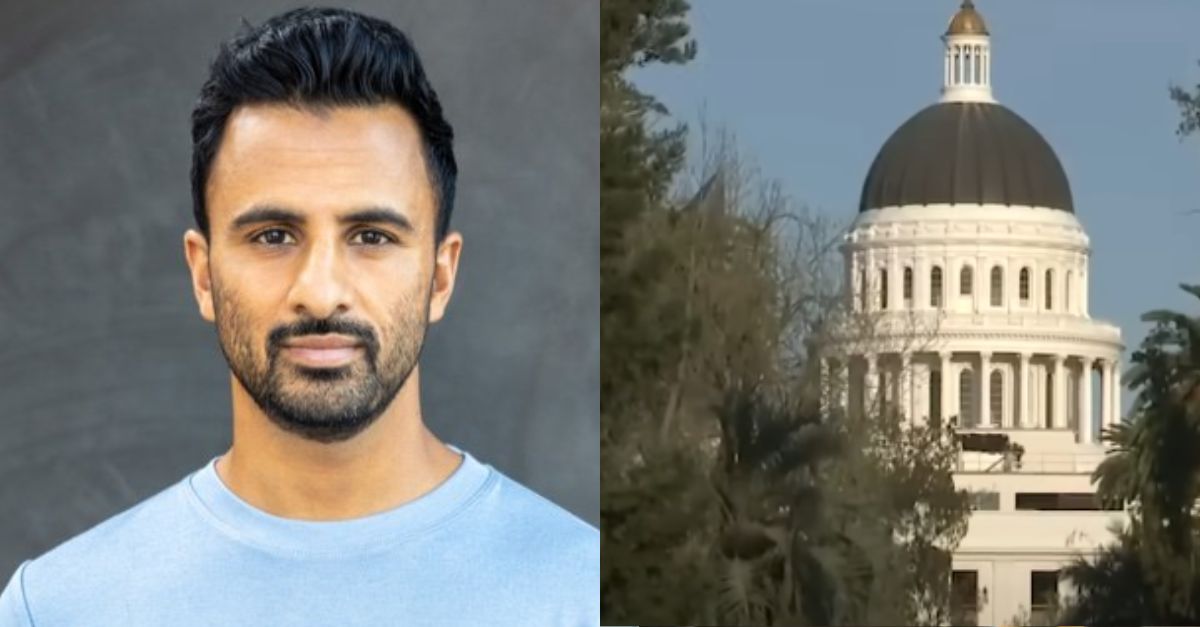
SAN FRANCISCO (Diya TV) — Tech entrepreneur Ethan Agarwal is making a bid for California’s top office. The two-time startup founder, who has raised more than $140 million across two companies, is running for governor in 2026.
Axios first reported his candidacy, describing him as a “Democrat who believes in capitalism.” Agarwal said his campaign will center on California’s soaring cost of living, high business expenses, and the steady departure of residents and companies.
Agarwal says California needs a leader who understands both business and innovation. He told Axios the state “could use some business and tech acumen to fix things in a way that other candidates in the race won’t.”
California’s struggles with housing, taxes, and regulation have pushed people and businesses to other states. Even Hollywood productions have moved filming elsewhere to cut costs. Agarwal believes his background in building companies can help reverse those trends.
Agarwal is no stranger to high-stakes ventures. He co-founded The Coterie, a fintech startup that raised $80 million from venture capital firms, according to PitchBook. The company’s assets were sold earlier this year.
Before that, he founded Aaptiv, a fitness app that focused on audio workouts. The startup raised about $61 million and was later sold to Pear Health Labs. Both exits established Agarwal as a founder able to raise large sums and build recognizable brands.
His campaign emphasizes that record. He argues that the same problem-solving skills needed in startups can be applied to California’s economic challenges.
Agarwal’s campaign has already drawn support from major figures in the tech world. Axios reported that fundraising events are planned with Stanley Tang, co-founder of DoorDash, and Garry Tan, president of Y Combinator.
Tan also backed Agarwal’s fintech company through his venture firm, Initialized Capital. Their early support signals that Agarwal could tap into Silicon Valley’s powerful donor base as the race heats up.
In California politics, fundraising is crucial. With his deep ties to venture capital and the startup ecosystem, Agarwal could quickly become one of the best-financed candidates in the 2026 field.
Agarwal’s campaign launch comes as California grapples with economic uncertainty. The state continues to lead the nation in housing costs. Homelessness remains one of the most visible problems in its major cities. Small businesses and large corporations alike cite high taxes and regulations as reasons for moving jobs elsewhere.
Texas, Nevada, and Florida have benefited from California’s losses. Each has lured businesses with lower costs and friendlier tax environments. Even entertainment productions have increasingly chosen to film in those states.
Agarwal argues that keeping talent and innovation in California will be a top priority. His platform combines Democratic values with pro-business policies designed to retain companies and protect jobs.
Unlike career politicians, Agarwal comes to the race from the private sector. He frames his candidacy as a chance for voters to choose a leader who understands economic growth from firsthand experience.
By calling himself a “Democrat who believes in capitalism,” Agarwal is positioning his campaign as both pragmatic and progressive. His message seeks to connect with voters frustrated by high costs while still committed to the party’s core values.
This balancing act could appeal to a wide coalition, from entrepreneurs to middle-class families seeking relief from the state’s rising expenses.
The California governor’s race will attract national attention. The state is the largest in the country and a center for technology, culture, and policy debates. Decisions made in Sacramento often shape the national conversation on business regulation, climate, and housing.
Agarwal will face tough competition from established Democratic figures. Still, his tech background, startup success, and strong financial network give him an advantage few other candidates can match.
His early move to organize fundraising and build name recognition shows he is preparing for a long, competitive campaign. He plans to run it like a startup: fast, well-funded, and focused on solving problems.