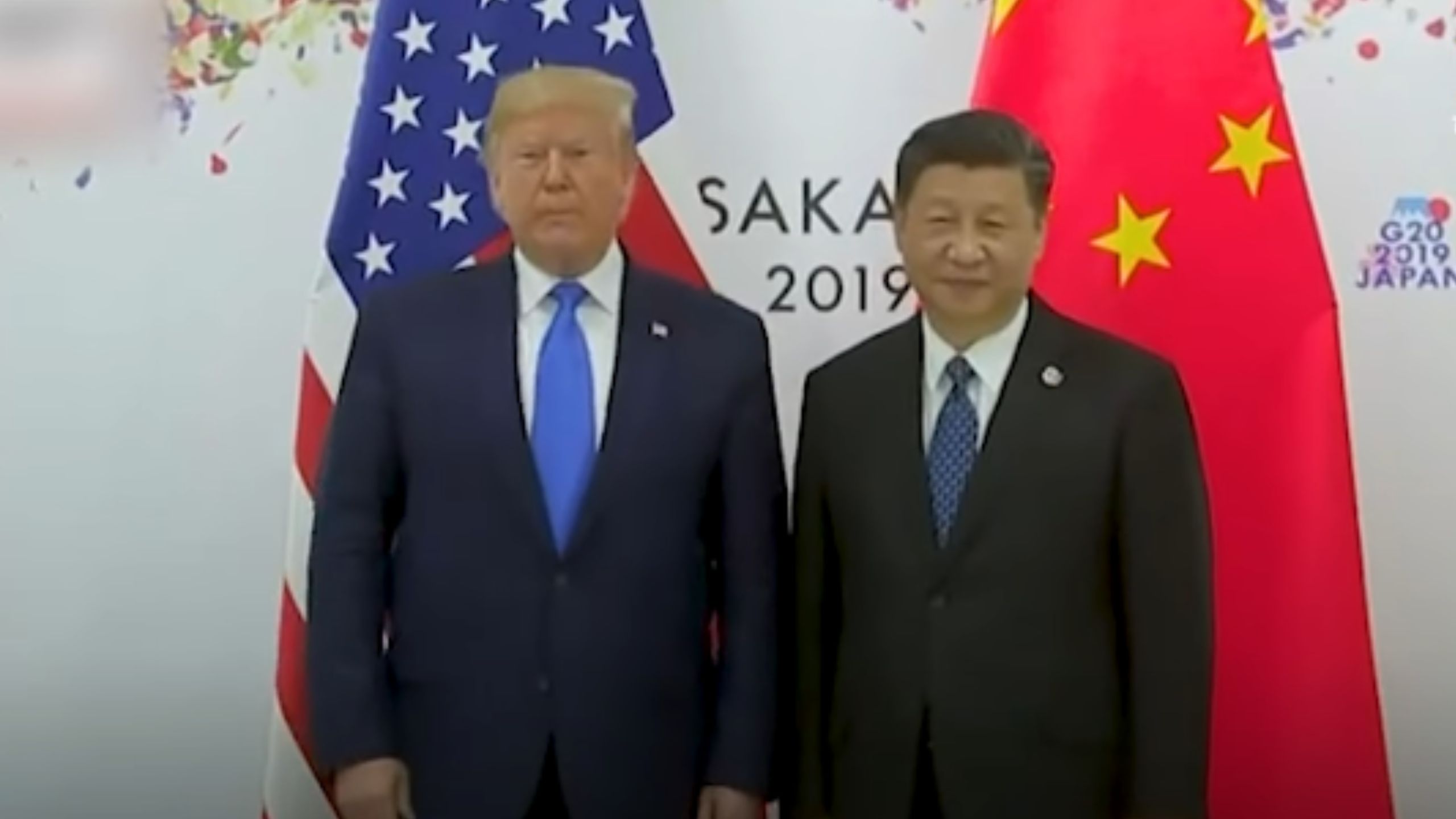
WASHINGTON (Diya TV) — President Donald Trump announced Monday that he would allow 600,000 Chinese students to study in the United States, a move that sparked outrage from his staunchest supporters. The decision marked a sharp reversal from his administration’s earlier pledge to revoke visas for many Chinese nationals, particularly those tied to sensitive research or the Chinese Communist Party.
The announcement comes at a critical moment in U.S.-China relations. The Trump administration has spent years warning that Chinese students could pose risks to national security. Officials have accused Beijing of using students and researchers to gain access to sensitive technologies, including artificial intelligence and advanced manufacturing.
In 2019, Trump vowed to restrict student visas for Chinese nationals. His administration also pushed to “aggressively revoke” visas for those connected to areas deemed critical to American industry or national defense. Monday’s decision surprised many, including his closest allies, who saw the shift as inconsistent with his America First agenda.
Trump tied the student announcement to ongoing trade talks with Beijing. He warned China that it must guarantee U.S. access to rare earth magnets or face tariffs as high as 200 percent. Rare earth minerals are critical for electronics, clean energy, and defense systems, making them a key point of leverage in negotiations between the two powers.
Despite the tariff threat, Trump assured that Chinese students would still be welcome at American colleges and universities. The move highlighted his balancing act between economic pressure and educational exchange, two areas where the U.S. and China remain deeply intertwined.
Many of Trump’s most loyal backers immediately criticized the announcement. They argued that allowing hundreds of thousands of Chinese students into the country undermines national security and contradicts the administration’s past stance on immigration.
Conservative commentator Laura Loomer, one of Trump’s fiercest defenders online, expressed her anger in a series of social media posts. She accused Chinese students of acting as “CCP spies” and said the policy undercut Trump’s previous promises.
For critics like Loomer, the announcement was more than a policy shift. They saw it as a betrayal of the America First agenda that helped fuel Trump’s rise to the presidency.
The timing of the decision underscored the fragile truce between the world’s two largest economies. Washington and Beijing remain locked in disputes over tariffs, trade deficits, and access to advanced U.S.-made AI chips. While both sides have signaled interest in easing tensions, deep mistrust continues to shape negotiations.
By linking student visas to trade talks, Trump attempted to use education as leverage. Yet critics warned that the strategy risks further inflaming domestic divisions while giving Beijing new opportunities to influence U.S. research and technology.
Chinese students make up the largest group of international students in the United States. They contribute billions of dollars annually to the American economy through tuition, housing, and related expenses. Universities across the country rely on these students to fill programs in science, engineering, and business.
Supporters of Trump’s decision argue that keeping the door open to Chinese students benefits American colleges financially while maintaining cultural and academic ties. Opponents, however, contend that the risks outweigh the rewards, citing concerns about espionage and intellectual property theft.