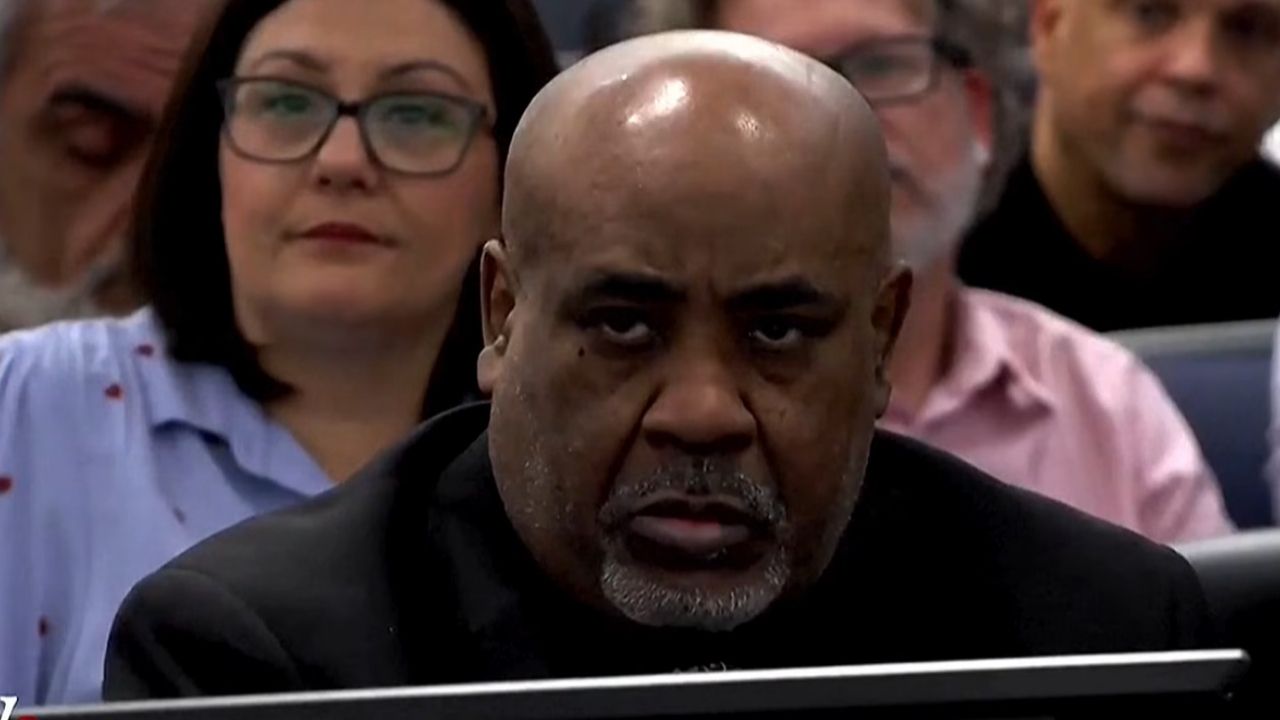
LAS VEGAS (Diya TV) — A Nevada jury found Duane “Keffe D” Davis guilty Monday in the 1996 murder of rap icon Tupac Shakur. The verdict ends one of hip-hop’s longest-running murder cases.
The 12-member jury reached a unanimous decision after nearly three hours of deliberation. The trial lasted several weeks in Las Vegas.
Davis, 63, faced a first-degree murder charge with a deadly weapon. Prosecutors accused him of helping organize the shooting that killed Shakur. Davis pleaded not guilty throughout the case.
He now faces a possible sentence of life in prison without parole. The court scheduled his sentencing for Oct. 13. Davis also told the judge that he plans to appeal.
Shakur died after a drive-by shooting in Nevada on Sept. 7, 1996. The rapper sat in a car at a red light in Paradise, Nevada.
A white Cadillac pulled beside the vehicle. Marion “Suge” Knight, the head of Death Row Records, drove the car.
Someone inside the Cadillac opened fire. Four bullets struck Shakur in the chest, arm, and thigh. Knight suffered a grazing wound to his head.
Shakur died six days later at age 25.
Prosecutors said Davis helped plan the attack. They linked the shooting to an earlier fight at a Las Vegas casino.
Earlier that night, Shakur and members of his group attacked Orlando “Baby Lane” Anderson. Anderson was Davis’ nephew and a member of the Southside Compton Crips.
According to prosecutors, Davis and three other men later got into a white Cadillac. They searched for Shakur and Knight.
Davis later described parts of the night in interviews and other accounts. He said he obtained a gun and passed it toward the back seat before the group found Shakur’s vehicle.
However, prosecutors never identified the person who fired the shots. The other three men who rode in the Cadillac have since died.
Under Nevada law, prosecutors did not need to prove that Davis personally fired the weapon. Instead, they argued that he helped organize the attack and played a role in the murder.
For years, investigators suspected Davis but lacked enough evidence to charge him.
That changed as Davis spoke publicly about the case. He discussed his alleged role in interviews and documentaries. He also described the events in his 2019 memoir, “Compton Street Legend.”
Prosecutors used those statements during the trial. They also presented recordings of conversations involving Davis and investigators.
During closing arguments, prosecutor Binu Palal highlighted Davis’ repeated accounts of the shooting. Palal argued that Davis had openly discussed his responsibility for Shakur’s death.
Meanwhile, Davis’ lawyer, Michael Sanft, challenged the prosecution’s case. He said Davis’ statements reflected bravado rather than a genuine confession. He also argued that investigators lacked enough independent evidence to support a murder conviction.
Tupac Shakur’s music reached millions of listeners and helped shape hip-hop during the 1990s.
His killing also came during a period of intense tension between rival East Coast and West Coast rap circles. Conflicts involving artists, record labels, and street gangs added to the violence surrounding the era.
Davis led the Southside Compton Crips, which had connections to the conflict involving the Mob Piru faction linked to Shakur and Death Row Records.
Now, nearly 30 years after the shooting, a jury has found Davis guilty of murder. Still, the identity of the gunman remains unknown.
Davis remains in custody without bail.