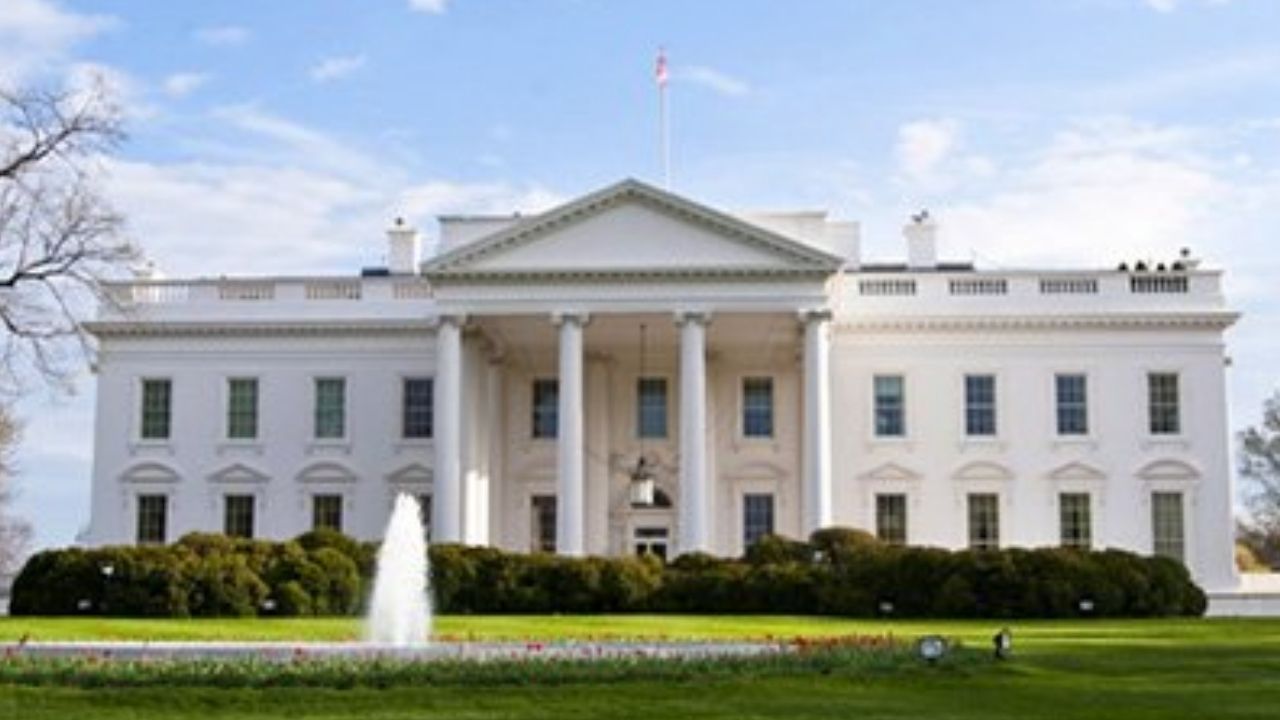
WASHINGTON (Diya TV) — The Supreme Court ruled 5-4 Monday to allow construction of President Donald Trump’s planned White House ballroom to continue while a legal challenge proceeds.
The decision lifts a lower court restriction on above-ground construction but does not determine whether Trump has the legal authority to build the 90,000-square-foot ballroom.
Instead, the court considered whether the National Trust for Historic Preservation has standing to challenge the project. In an unsigned opinion, the majority said the group likely had not established its legal right to sue.
Justices Clarence Thomas, Samuel Alito, Neil Gorsuch, Brett Kavanaugh and Amy Coney Barrett formed the majority. Chief Justice John Roberts joined Justices Sonia Sotomayor, Elena Kagan and Ketanji Brown Jackson in dissent.
The National Trust argues that the administration cannot make major changes to the White House complex without additional congressional approval.
Trump ordered crews to demolish the East Wing last fall as part of the ballroom project, prompting the legal dispute.
Lower courts restricted construction while they considered the case. The Supreme Court’s decision now allows crews to resume work while the broader legal dispute continues.
Brent Leggs, president and CEO of the National Trust for Historic Preservation, said the organization disagreed with the ruling but noted that the court did not decide whether the project itself violates the law.
Roberts argued in his dissent that the preservation group should have the opportunity to pursue its claims in federal court.
The Trump administration argues that private funding allows the project to move forward and has also cited presidential security considerations to support the construction.
According to court filings, about 250 workers are working on the project for up to 20 hours a day. The Justice Department told the Supreme Court that crews have completed about 65% of the project.
Trump has said he expects crews to complete the ballroom and related construction by summer 2028.
Lower courts will continue considering the case, including questions about presidential authority and whether the project requires congressional approval.