YUMA, Ariz. (Diya TV) — U.S. Customs and Border Protection said Operation Checkmate, conducted by Border Patrol agents in Arizona’s Yuma Sector from May 11 to May 15, resulted in 52 arrests, including 36 commercial truck drivers. Indian media reported that around 30 of those detained were Indian nationals. All 52 people were processed under federal law and are expected to face removal from the United States.
The operation was framed by U.S. officials as a public safety action. Some detained drivers had commercial licenses issued by states including California, New York, Washington, and Virginia, while others allegedly had no valid license. Many had employment authorization documents that were no longer valid.
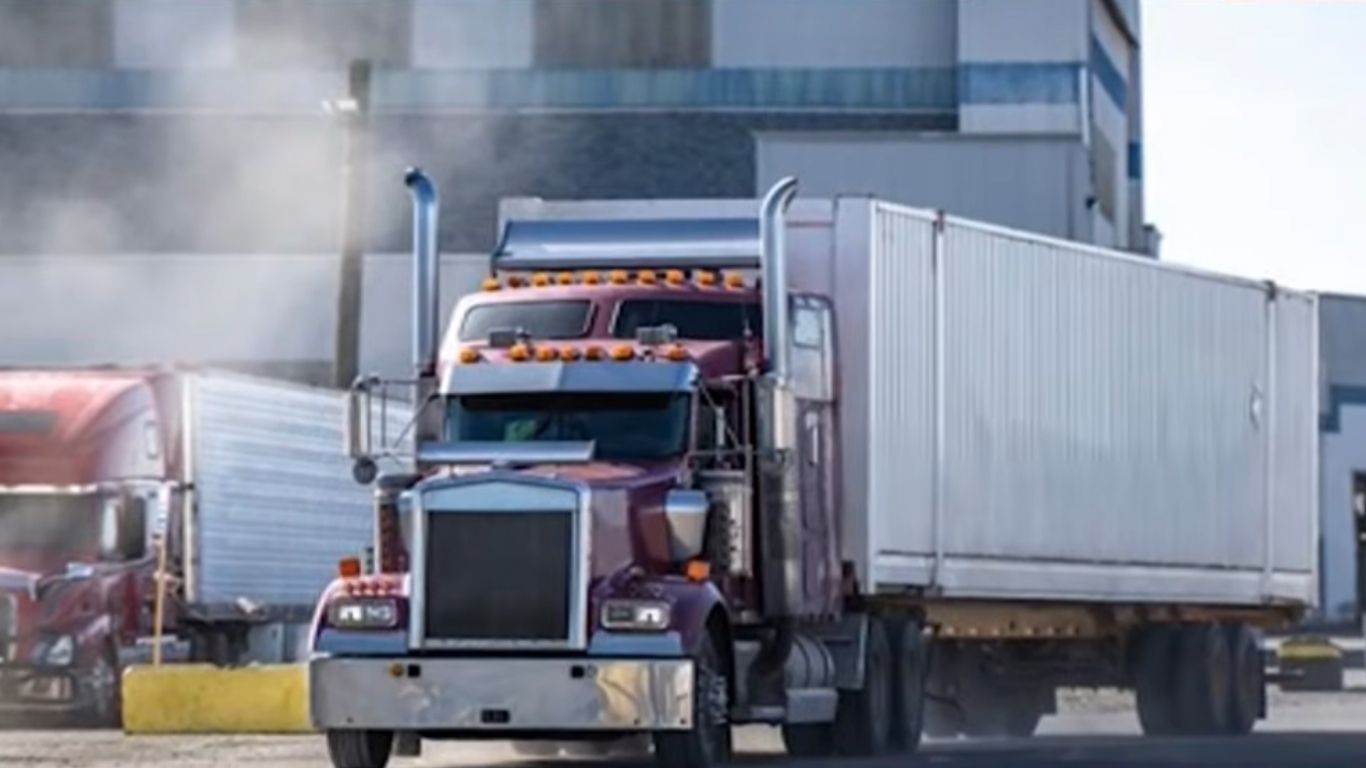
A commercial truck is not an ordinary vehicle. A fully loaded semi can weigh tens of thousands of pounds, and a licensing failure can have deadly consequences. CBP’s Yuma Sector leadership argued that Operation Checkmate was intended to identify unlawfully present drivers operating commercial vehicles and prevent crashes involving unqualified drivers.
But the story is more complicated than “illegal drivers removed from the road.” It is also about how immigration status, work authorization, and state-issued commercial driver’s licenses became tangled together. The Federal Motor Carrier Safety Administration finalized a 2026 rule tightening non-domiciled commercial driver’s license eligibility, limiting which foreign nationals can obtain or renew commercial driving credentials. The Department of Transportation framed the rule as a safety measure aimed at preventing unqualified foreign drivers from operating commercial trucks and buses.
FMCSA guidance says states must verify lawful immigration status before restoring, renewing, or upgrading certain commercial driving privileges.
India’s government has taken a careful position. Ministry of External Affairs spokesperson Randhir Jaiswal said India “does not in any manner support illegal immigration” and cooperates with the U.S. when deportation cases are referred, after verifying nationality. India wants to protect its nationals abroad, but it also does not want to be seen as defending unlawful migration or unauthorized employment.
For the Indian diaspora, the case is sensitive because it can easily be misread or politicized. There is a legitimate public interest in ensuring that commercial drivers are properly licensed, trained, and legally authorized to work. There is also a danger that isolated enforcement actions can feed broad suspicion toward those who are fully lawful, licensed, and experienced.
That distinction matters. Immigrant truck drivers, including many from Punjab, have become a visible part of America’s freight economy. Long-haul trucking has offered a path of upward mobility for many immigrant families, especially in California, Texas, and other logistics-heavy states. But that same visibility now makes the community vulnerable when immigration politics and road safety concerns collide.
Trucking already faces pressure from fuel prices, insurance costs, low margins for independent operators, and fluctuating freight demand. Removing or sidelining large numbers of drivers could affect small businesses and supply chains, especially where family-run trucking operations rely on one or two working drivers. At the same time, regulators will argue that economic reliance cannot override licensing integrity or lawful work requirements.