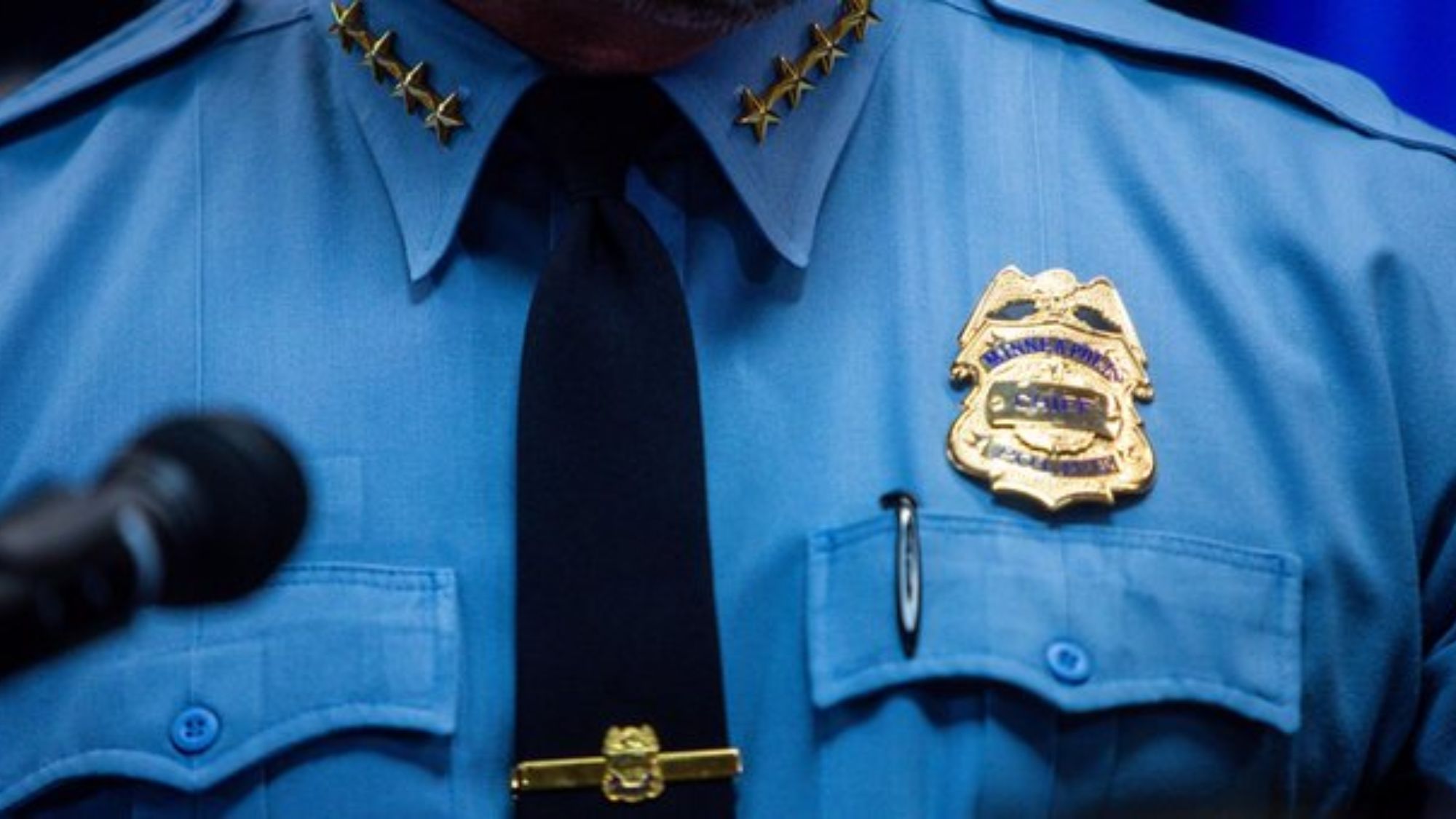
WASHINGTON (Diya TV) — The U.S. Department of Justice announced Wednesday that it is ending several civil rights lawsuits and investigations into local police departments, marking a significant policy reversal in federal oversight of law enforcement. The decision affects high-profile cases in Minneapolis, Louisville, and several other jurisdictions.
Assistant Attorney General Harmeet K. Dhillon, appointed by former President Donald Trump to lead the Civil Rights Division, said the move is aimed at restoring local control over policing. “Overbroad police consent decrees divest local control of policing from communities where it belongs,” Dhillon said in a statement.
“Today, we are ending the Biden Civil Rights Division’s failed experiment of handcuffing local leaders and police departments with factually unjustified consent decrees.” The dismissed lawsuits were initiated during the Biden administration and followed in-depth “pattern or practice” investigations into police departments in Minneapolis, Minnesota, and Louisville, Kentucky.
These federal probes found systemic issues, including excessive use of force, racial discrimination, and violations of First and Fourth Amendment rights. Notably, the investigations were separate from criminal trials of officers involved in the deaths of George Floyd and Breonna Taylor, which sparked nationwide protests and demands for police reform.
Then-Attorney General Merrick Garland had described the findings in Minneapolis as contributing factors that made Floyd’s death possible, saying in 2023, “The patterns and practices of conduct the Justice Department observed during our investigation… made what happened to George Floyd possible.”
Despite the Justice Department’s retreat, local leaders in Louisville and Minneapolis emphasized their ongoing commitment to reform. Louisville Mayor Craig Greenberg said the city remains dedicated to “implementing police reform that ensures constitutional policing while providing transparency and accountability to our community.” Louisville Police Chief Jacquelyn Gwinn-Villaroel echoed that sentiment, vowing to follow through on reforms outlined after the federal investigation.
Similarly, the Minnesota Department of Human Rights reaffirmed its own legally binding agreement with the City of Minneapolis. Commissioner Rebecca Lucero said the state’s consent decree “isn’t going anywhere,” and emphasized that the city and its police department must still “make transformational changes to address race-based policing.”
In addition to Minneapolis and Louisville, the Justice Department is also terminating ongoing investigations in Phoenix, Arizona; Trenton, New Jersey; Memphis, Tennessee; Mount Vernon, New York; Oklahoma City, Oklahoma; and against the Louisiana State Police.
The rollback reflects a broader change in approach that began during Trump’s first term, when the Justice Department reduced federal oversight of local police departments in cities like Chicago, Baltimore, and Ferguson, Missouri—the site of Michael Brown’s fatal shooting in 2014. During the Biden administration, however, the department had ramped up civil rights investigations, reversing guidance issued by then-Attorney General Jeff Sessions that limited the use of consent decrees.
Critics of consent decrees argue they place an undue burden on police departments and shift power away from locally elected officials. Supporters counter that federal oversight is often necessary to hold departments accountable and ensure constitutional policing.