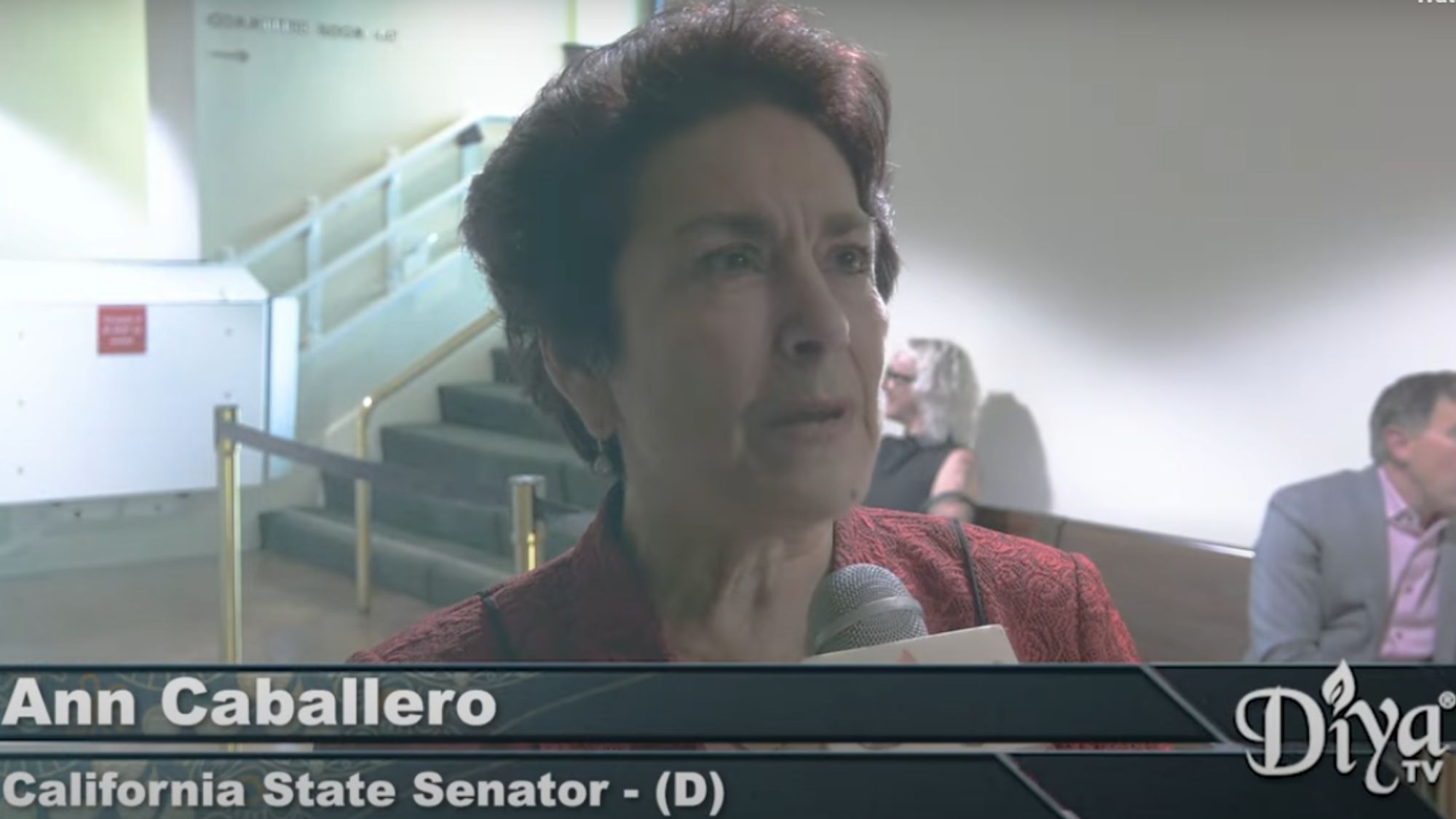
SACRAMENTO, Calif. (Diya TV) — California lawmakers are moving forward with a new bill they say will protect immigrant communities from threats by foreign governments. Senate Bill 509, introduced by Sen. Anna Caballero, aims to provide special training for local law enforcement to respond to what experts call “transnational repression.”
The bill passed the Assembly Public Safety Committee, with several lawmakers praising its purpose. Supporters say it addresses rising concerns that authoritarian regimes are targeting U.S. residents, particularly immigrants and political refugees.
Sen. Caballero explained that some foreign governments use digital surveillance, online threats, and even violence against people who have fled their countries for safety in the United States. She emphasized that law enforcement lacks the tools and training to properly identify and respond to these attacks.
“These are serious threats to human rights,” Caballero said. “Local officers need training to recognize when someone is being harassed or intimidated by a foreign power.”
The Office of Emergency Services would develop the training, focusing on recognizing patterns of harassment, threats, and coercion aimed at diaspora communities. The bill also encourages police departments to collect data and share it with federal agencies.
Several advocacy groups support the bill. Hamid Yazdan Panah of Immigrant Defense Advocates noted that foreign governments often continue to target individuals even after they have fled. He described a recent case where two men were convicted in a murder-for-hire plot that targeted an Iranian American journalist.
“These tactics are more common than most people realize,” Panah said. “This bill helps law enforcement respond and builds trust with immigrant communities.”
Jonathan Feldman of the California Police Chiefs Association also supports the bill. He acknowledged that many police departments are unfamiliar with these complicated cases. Feldman said training must be effective and created in partnership with a wide range of community voices.
However, the bill is also facing growing opposition, particularly from Hindu American groups who fear it could be misused. About 50 Hindu Americans attended this Monday afternoon hearing to voice their opposition, compared to only two Sikh advocates in favor of the bill.
Samir Kalra of the Hindu American Foundation expressed concerns about bias. He warned that unclear guidelines could lead to some communities being unfairly labeled as threats.
“There’s a real risk of this bill being politicized,” Kalra said. “We need more safeguards to prevent biased or one-sided training.”
Pushpita Prasad from the Coalition of Hindus of North America said recent vandalism at Hindu temples has been ignored by law enforcement and the media. She worries that the bill may add to the discrimination already faced by some immigrant communities.
“Hindus in California are scared,” Prasad said. “This bill could make things worse by casting suspicion on people based on their background.”
Despite these concerns, committee members believe the bill protects First Amendment rights and improves public safety. They noted that the bill has already been amended to clarify that it does not override constitutional freedoms.
Assemblymember Dr. Jasmeet Bains, a Sikh American physician and daughter of immigrants, strongly supports the bill. She linked it to broader issues like international drug trafficking and stated that law enforcement needs better tools to combat foreign criminal networks.
Other lawmakers encouraged more dialogue between supporters and opponents. Assemblymember Tom Lackey asked the opposition if they could find a compromise.
Kalra responded that further amendments might help HAF take a neutral stance, though they still needed clarity on who would lead the training and how cultural diversity would be addressed.
Caballero spoke to Diya TV exclusively after the hearing and said she is open to adding language that ensures diversity in cultural outreach. She noted that law enforcement needs to hear from all groups equally, not just the most well-connected.
“We’ve worked hard to keep this bill fair,” she said. “Nobody should be afraid to report a threat. This training helps make that possible.”
SB 509 now goes to the Assembly Appropriations Committee for further review. Lawmakers and advocates expect ongoing debate about how to protect California’s diverse immigrant communities without introducing bias.