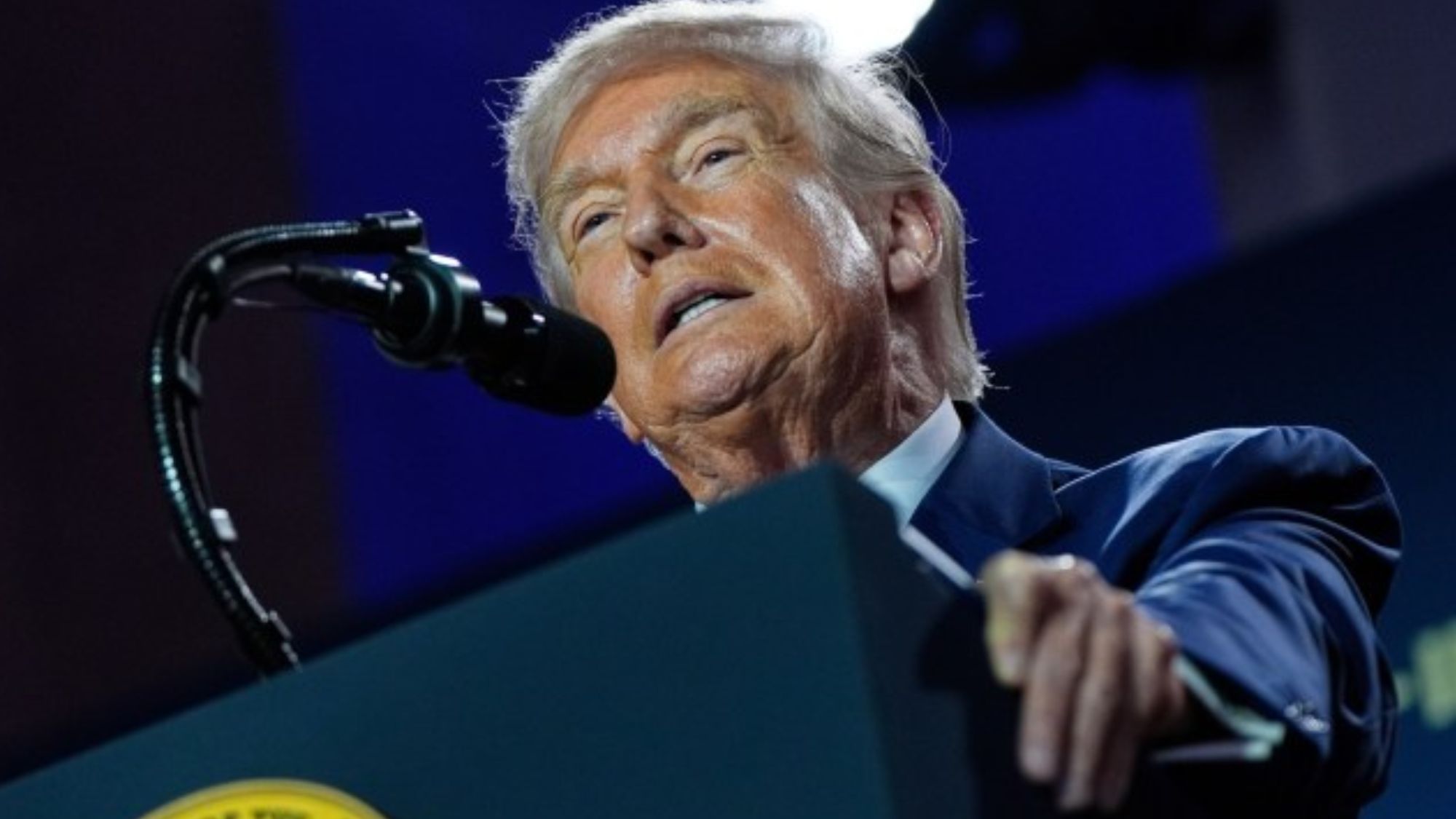
SAN FRANCISCO (Diya TV) — A federal appeals court on Wednesday ruled that President Donald Trump’s order to end birthright citizenship is unconstitutional. The decision from the 9th U.S. Circuit Court of Appeals affirms a lower court ruling that blocked the order from taking effect nationwide.
A divided panel of the 9th Circuit made the ruling, with two judges agreeing that Trump’s executive order violates the 14th Amendment. The order aimed to deny U.S. citizenship to children born on American soil if their parents were in the country illegally or on a temporary visa.
The ruling is the first from an appeals court on the matter and brings the legal battle one step closer to the U.S. Supreme Court.
Judges Michael Hawkins and Ronald Gould, both appointed by President Bill Clinton, wrote the majority opinion. They supported a nationwide block on the order, saying it was necessary to protect states from legal confusion and policy conflicts.
“The district court correctly concluded that the Executive Order’s proposed interpretation, denying citizenship to many persons born in the United States, is unconstitutional. We fully agree,” the judges wrote.
Judge Patrick Bumatay, appointed by Trump, dissented from the decision. He argued that the states that filed the lawsuit—Washington, Arizona, Illinois, and Oregon—do not have legal standing to sue.
Bumatay also cautioned against the increasing use of nationwide injunctions. He warned courts not to treat the phrase “complete relief” as a loophole for broad legal orders.
However, Bumatay did not weigh in on whether ending birthright citizenship itself would violate the Constitution.
At the center of the legal debate is the Citizenship Clause of the 14th Amendment. It states: “All persons born or naturalized in the United States, and subject to the jurisdiction thereof, are citizens of the United States.”
Lawyers for the Justice Department argue that this clause does not apply to children whose parents are in the country illegally or only temporarily. They say the phrase “subject to the jurisdiction” limits automatic citizenship.
But the states challenging Trump’s order point to a landmark 1898 Supreme Court case. In that case, the Court ruled that a child born in San Francisco to Chinese immigrants was a U.S. citizen. The decision emphasized that birth on U.S. soil confers citizenship, regardless of the parents’ immigration status.
Though the Supreme Court has recently placed limits on nationwide injunctions, the 9th Circuit found an exception applied in this case. The panel ruled that allowing Trump’s order to take effect in only part of the country would create chaos and confusion.
“We conclude that the district court did not abuse its discretion in issuing a universal injunction to give the States complete relief,” the majority opinion stated.
This ruling keeps the nationwide block on Trump’s executive order in place. However, the case may now head to the U.S. Supreme Court. If the high court takes up the issue, it could decide the future of birthright citizenship in the United States.
The White House and the Justice Department did not immediately comment on the ruling.
At least nine lawsuits have challenged Trump’s order in courts across the country. The decision from the 9th Circuit is the most significant one so far and could shape future legal battles over immigration and citizenship.
This case touches on one of the most debated topics in U.S. immigration law—who gets to be a citizen. Supporters of Trump’s order argue that the Constitution should not reward illegal immigration with automatic citizenship for children. Critics say the order violates long-standing legal principles and would unfairly punish innocent children.
The 9th Circuit’s decision makes clear that birthright citizenship, as written in the 14th Amendment, remains the law of the land—at least for now.