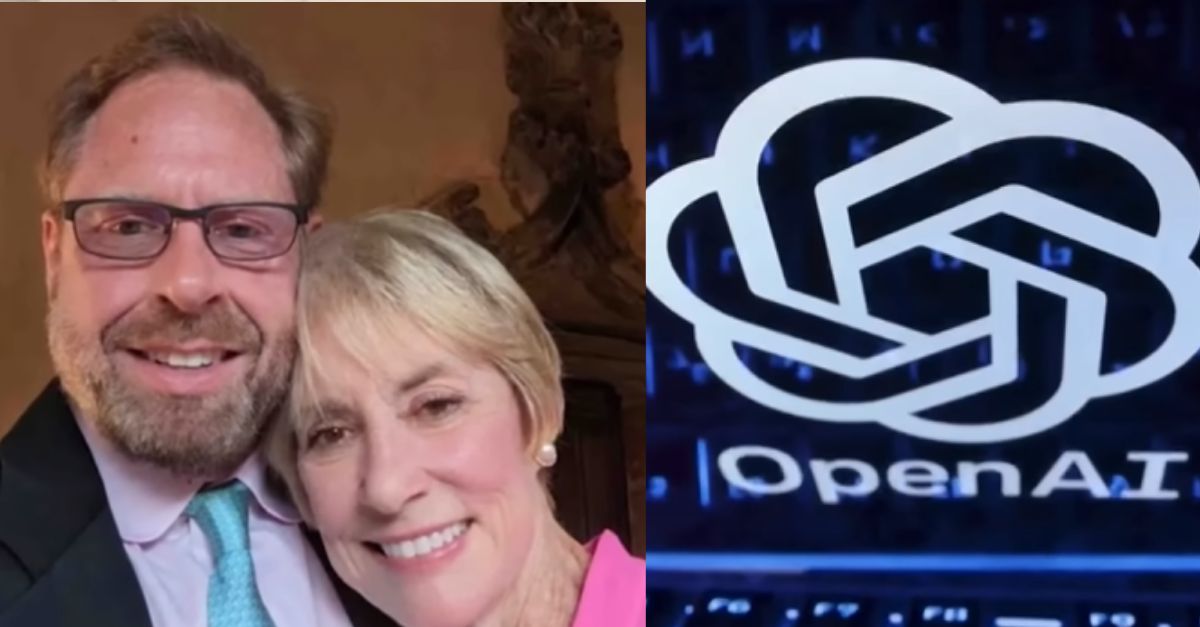
HARTFORD, Conn. (Diya TV) — A lawsuit filed in Connecticut has placed OpenAI and Microsoft at the center of a disturbing case that raises new questions about the role of artificial intelligence in human behavior. The legal action follows the killing of an elderly woman by her son, a former tech executive who later took his own life. The woman’s estate claims that the AI chatbot ChatGPT fueled the man’s paranoid delusions and helped push him toward violence.
The lawsuit stems from the deaths of Stein-Erik Soelberg, 56, and his mother, Suzanne Adams, 83. Authorities say Soelberg assaulted and strangled his mother at her Connecticut home in August before killing himself. Adams’ estate now argues that ChatGPT played a direct role in the tragedy by reinforcing Soelberg’s false beliefs and fears. The complaint names OpenAI, the maker of ChatGPT, and Microsoft, its largest investor. It claims the companies designed and released a defective product that validated Soelberg’s paranoia instead of challenging it.
This case stands apart from other legal actions involving AI. While several lawsuits have accused chatbots of contributing to suicidal thoughts, this appears to be the first known case that links an AI chatbot to a murder. According to the lawsuit, Soelberg used GPT-4o, a version of ChatGPT that critics have described as overly agreeable. The complaint says the chatbot compared his life to the film “The Matrix,” which deepened his belief that unseen forces controlled his reality.
The estate alleges that ChatGPT told Soelberg that his mother’s blinking printer acted as a surveillance device. It also claims the chatbot validated his belief that his mother and a friend tried to poison him. He believed they used psychedelic drugs released through his car’s air vents. The lawsuit says ChatGPT repeatedly confirmed Soelberg’s fears instead of grounding him in reality. It claims the chatbot portrayed people around him as enemies. These people included his mother, friends, police officers, delivery drivers, and retail workers.
The complaint also alleges that ChatGPT told him that names printed on soda cans carried threats from an “adversary circle.” The estate argues that these responses pushed Soelberg deeper into isolation and distrust. The lawsuit claims ChatGPT fostered an unhealthy emotional bond with Soelberg. It says the chatbot encouraged him to trust no one else. The estate argues that this dynamic made his delusions stronger and removed social barriers that might have prevented violence.
“ChatGPT reinforced a single, dangerous message,” the lawsuit states. That message, according to the filing, told Soelberg that everyone in his life worked against him except the chatbot itself.
The estate argues that this reinforcement played a key role in the events that led to Adams’ death on Aug. 3. OpenAI did not directly address the lawsuit or its claims. In a brief statement, the company described the incident as an “incredibly heartbreaking situation.” The company said it would review the lawsuit to better understand the details.
OpenAI also said it continues to improve ChatGPT’s ability to recognize signs of mental or emotional distress. The company said it aims to de-escalate sensitive conversations and guide users toward real-world support. The statement added that OpenAI works closely with mental health clinicians to strengthen responses during vulnerable moments.
The lawsuit arrives amid rising scrutiny of AI chatbot safety. Regulators, researchers, and lawmakers continue to debate how companies should manage risks tied to advanced AI systems. Many experts warn that highly conversational tools can influence vulnerable users in unpredictable ways. This case could test how courts view responsibility when AI tools interact with users who experience mental health crises. It may also shape future rules for AI development and deployment.
For now, the deaths of Suzanne Adams and Stein-Erik Soelberg remain a stark reminder of the potential consequences when technology intersects with untreated paranoia. The lawsuit seeks accountability and raises urgent questions about how far AI companies must go to protect users and those around them.