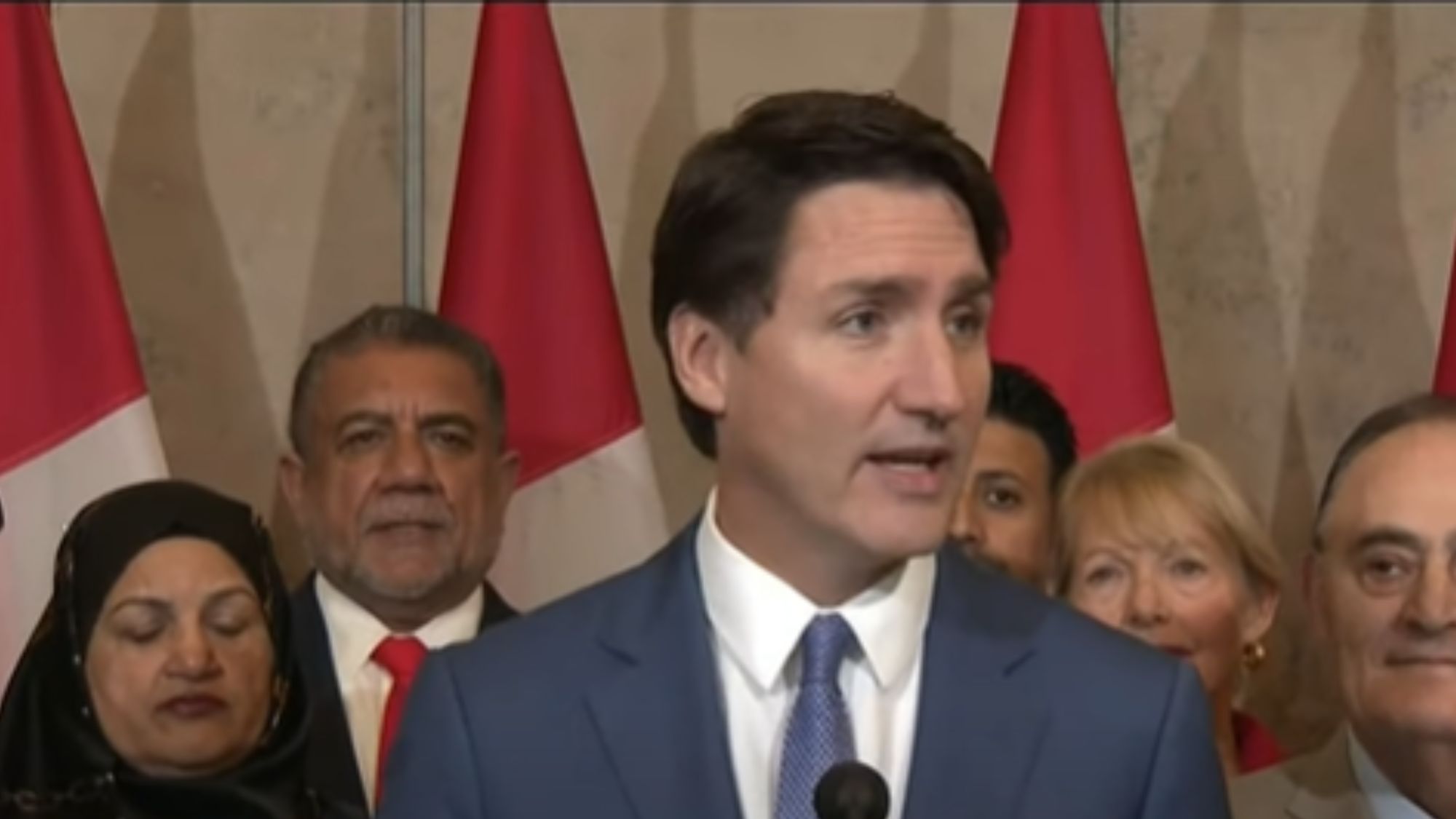
OTTAWA, Canada (Diya TV) — The government of Canada said it would temporarily decrease the levels of immigration in a broader strategy to enable its economy to adjust to recent high levels of population growth. The decision was made after a record number of immigrants entered Canada in the past two years.
Minister of Immigration, Refugees and Citizenship Marc Miller confirmed the decision, saying the principal cause was financial concerns. “The reduction is necessary to reduce the pressure on housing, healthcare, and social services, while allowing the economy to catch up with the rapid influx of new residents,” he added.
“We are open to being open to immigrant and refugee populations who contribute to the social and economic tapestry of our country, ” Miller said in a statement. “But we need to make sure we have infrastructure set up so that we can sustainably support growth.”
Toronto and Vancouver housing markets, in particular, have not managed to meet the volumes of demand and gone up in prices as well as rent costs. Critics say high immigration rates have further fueled this problem. CMHC reveals that the nation will need to construct an estimated 3.5 million more units of housing by 2030 to bring it back to its affordability level.
Healthcare services are also under strain, as there are more and more patients registered with hospitals and clinics in urban centers. In provinces, such as British Columbia and Ontario, wait times in the healthcare area have increased.
The decline in new immigration is part of a broader effort at rebalancing growth with infrastructure. Although the Canadian economy has been driven by skilled immigrants, sources of labor especially to the high-tech, health sciences, and construction sectors, the government has plans in place to rebalance their own pace of growth.
We need time for the economy to digest new Canadians, and for them to become part of society,” Miller said. “The decrease is only a temporary measure,” he said, and Canada will always be one of the most open countries in the world to immigrants.
Economists and migration experts, however, have mixed views on the policy. There are those, such as Daniel Hiebert, a professor at the University of British Columbia, who believe that “even though it may be a temporary diminution, it can relieve the pressure immediately imposed on the housing market and public services.” “A brief pause could be a smart move to ensure sustainable growth in the long run,” Hiebert said.
Others worry that reducing immigration could cause shortages in certain industries. “Canada’s workforce is aging, and we need immigrants in order to sustain our economy,” said Andrew Griffith, former director-general at Immigration, Refugees, and Citizenship Canada. “Slowing immigration could impede future growth.”.
The Canadian government has not provided specific numbers on how much immigration will be reduced, but officials said further details will be announced in the coming weeks.