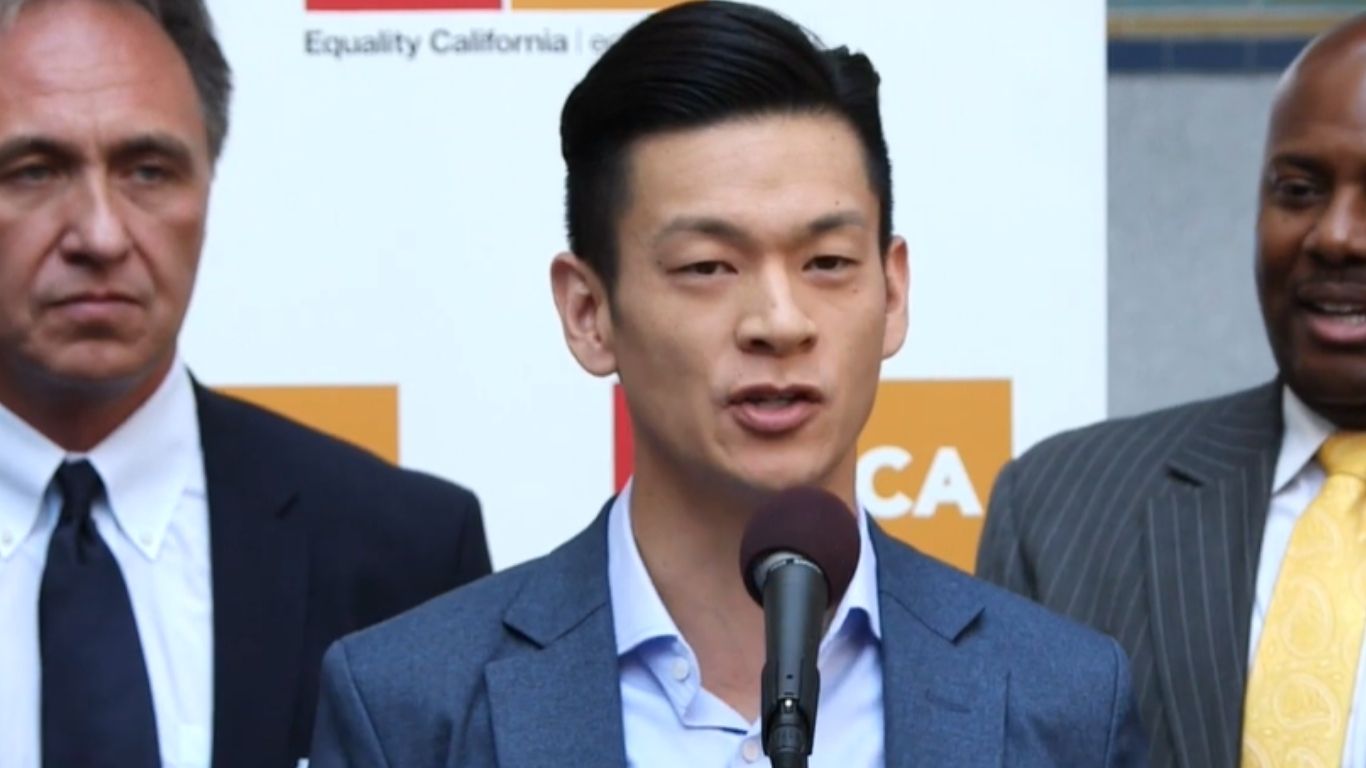
SACRAMENTO, Calif. (Diya TV) — A California ethics investigation has raised serious questions about former Assemblymember Evan Low and his ties to a nonprofit foundation linked to the state’s tech industry. Investigators allege the Democrat benefited from more than $113,000 in non-monetary contributions tied to his 2020 reelection campaign, potentially violating state campaign finance laws.
A report from the California Fair Political Practices Commission outlines dozens of potential violations. Investigators say there is probable cause to believe Low and a nonprofit foundation connected to him failed to properly disclose contributions and may have exceeded legal limits.
The report claims the foundation provided $113,524 in non-monetary contributions to Low’s campaign between late 2019 and early 2020. These contributions may have included goods or services, which must be reported under California law. At the time, individual contributions to state lawmakers were capped at $4,700. If proven, the alleged contributions would far exceed that limit.
The nonprofit at the center of the case, the Foundation for California’s Technology and Innovation Economy, has close ties to Low’s political network. According to prior reporting, the group was run by individuals connected to his office and political career.
Investigators say Low raised significant funds for the foundation from major tech companies. These donations helped sponsor policy events where industry leaders met privately with lawmakers. The report alleges that between 2018 and 2020, Low failed to disclose $227,500 in fundraising for three nonprofits. This includes $97,500 directed to the tech foundation.
An attorney for the foundation strongly denied the allegations. The lawyer said the organization did not provide any benefit to Low’s campaign and had no obligation to report such activities. Low and his legal team did not respond to media inquiries about the report. The commission has not yet made a final ruling. The findings only indicate that investigators believe there is enough evidence to move forward. A hearing could determine whether violations occurred and what penalties may apply.
Ethics advocates say the case highlights broader concerns about transparency in campaign finance. Sean McMorris of California Common Cause warned that such arrangements can erode public trust. He said the situation creates the appearance of a “you scratch my back, I scratch yours” relationship between politicians and donors. Former state Sen. Steve Glazer also criticized the alleged lack of disclosure. He said timely reporting allows voters to evaluate the actions of elected officials.
Much of the investigation centers on “behested payments.” These are donations made to nonprofits at the request of elected officials. While legal, they must be disclosed when they exceed certain thresholds. Unlike direct campaign contributions, behested payments have no strict limits. Critics say this makes them a potential loophole in California’s campaign finance system.
Investigators found that Low did not report several large donations within the required 30-day window. These included contributions from major corporations such as Apple, AT&T, and Facebook, which helped fund policy events hosted by the nonprofit.
The commission’s report lists 44 potential violations, assuming coordination between Low and the nonprofit. If that coordination is not proven, the number of violations could drop significantly.
Under California law, each violation could result in fines of up to $5,000. The total penalties could vary widely depending on the final findings. The case could also raise questions under federal tax law. Nonprofits classified as 501(c)(3) organizations are prohibited from participating in political campaigns. Any confirmed political activity could lead to additional scrutiny.