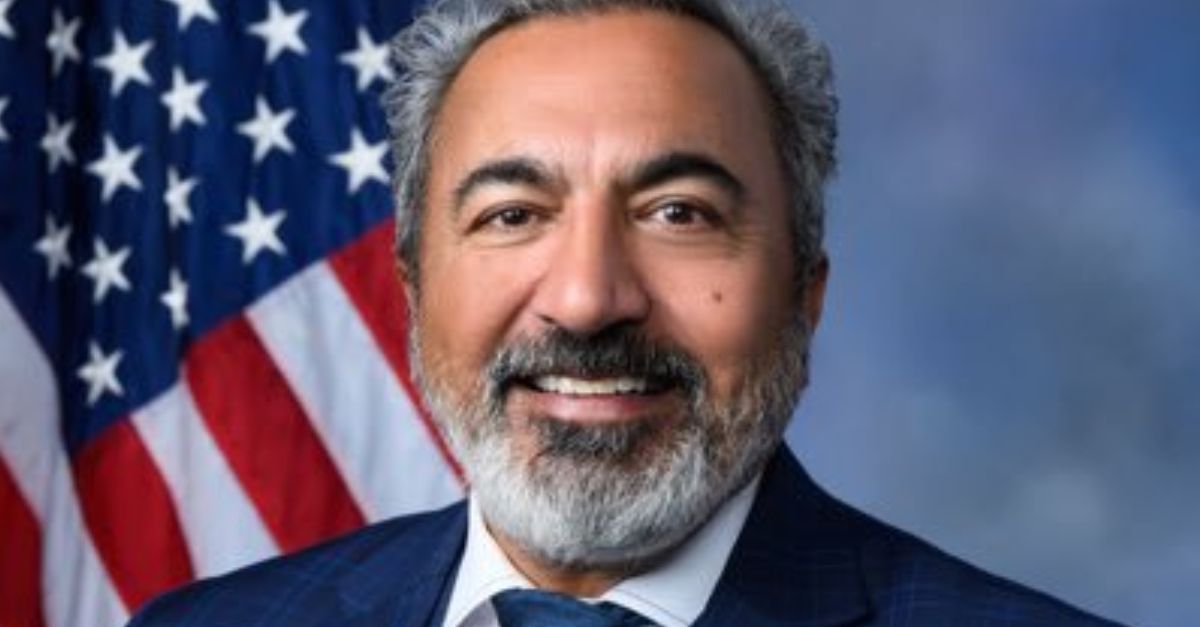
WASHINGTON (Diya TV) — U.S. Representatives Ami Bera, M.D., and Joe Wilson introduced a new bipartisan resolution that emphasizes the importance of the longstanding partnership between the United States and India. This measure reflects decades of cooperation between the two democracies and underscores their increasing collaboration on global security, technology, and economic matters. It also shows growing support in Congress for deeper engagement with India during a time of rapid geopolitical change.
Bera, a California Democrat and the longest-serving Indian American in Congress, teamed up with Wilson, a South Carolina Republican, to present the measure. They received strong backing from 24 original cosponsors from both parties. This broad support highlights the steady growth of U.S.–India relations across multiple administrations. It also indicates that lawmakers see India as a vital partner for promoting regional stability and a free, open Indo-Pacific.
The resolution points out that U.S. presidents from Bill Clinton to Joe Biden have strengthened this partnership. Each administration has built up defense ties, expanded technology cooperation, and fostered more trade. It also recognizes India’s growing role in counterterrorism and its impact on regional diplomacy. Additionally, it mentions shared interests in cybersecurity, innovation, education, and global health.
Bera stated that the long history of cooperation continues to guide both nations. He emphasized that this relationship supports democratic governance, economic growth, and joint security priorities. Wilson noted that the partnership helps the two countries tackle modern threats and rising global tensions. Their remarks reflect a growing awareness that India plays a crucial role in shaping regional outcomes.
This new measure also emphasizes the Indian American community’s role in strengthening ties between the two nations. Lawmakers highlighted that cultural, educational, and economic exchanges have solidified U.S.–India connections. They noted that the diaspora helps foster trust and cooperation across various fields. These personal ties remain a key factor in bilateral progress and continue to grow each year.
The resolution comes during a time of rapid technological growth. Both countries see significant opportunities in cybersecurity, semiconductor development, space exploration, and clean energy. The measure encourages greater collaboration in these areas and calls for both governments to tackle emerging cyber threats together. This united approach helps protect essential infrastructure and supports stronger digital security.
Moreover, the measure urges more coordination on counterterrorism. Lawmakers believe that ongoing intelligence sharing can help curb violent extremism and protect civilians. They emphasized that both nations oppose any group that threatens democratic societies. This shared commitment boosts broader regional efforts and helps maintain stability in South Asia.
Trade is another critical issue. The resolution highlights a steady increase in commercial activity between the two nations and encourages greater market access, investment, and innovation. Stronger economic relationships create jobs in both countries and open up more opportunities for American and Indian businesses.
The measure also emphasizes India’s role in the Indo-Pacific region. Lawmakers argue that a strong partnership supports a free, open, and secure Indo-Pacific. They believe that joint defense cooperation sends a clear message about shared values and regional goals. Recently, both nations have increased defense exercises, technology sharing, and strategic planning. These actions help deter aggression and enhance security.
Many lawmakers from both parties signed on as original cosponsors. They include Sydney Kamlager-Dove from California, Rich McCormick from Georgia, Deborah Ross from North Carolina, Rob Wittman from Virginia, Josh Gottheimer from New Jersey, James Moylan from Guam, Brad Schneider from Illinois, Young Kim from California, Sanford Bishop from Georgia, and Buddy Carter from Georgia. Others include Shri Thanedar from Michigan, David Schweikert from Arizona, Raja Krishnamoorthi from Illinois, Michael Baumgartner from Washington, Suhas Subramanyam from Virginia, Bill Huizenga from Michigan, Brad Sherman from California, Don Bacon from Nebraska, Marc Veasey from Texas, Andy Barr from Kentucky, Ed Case from Hawaii, and Jay Obernolte from California.