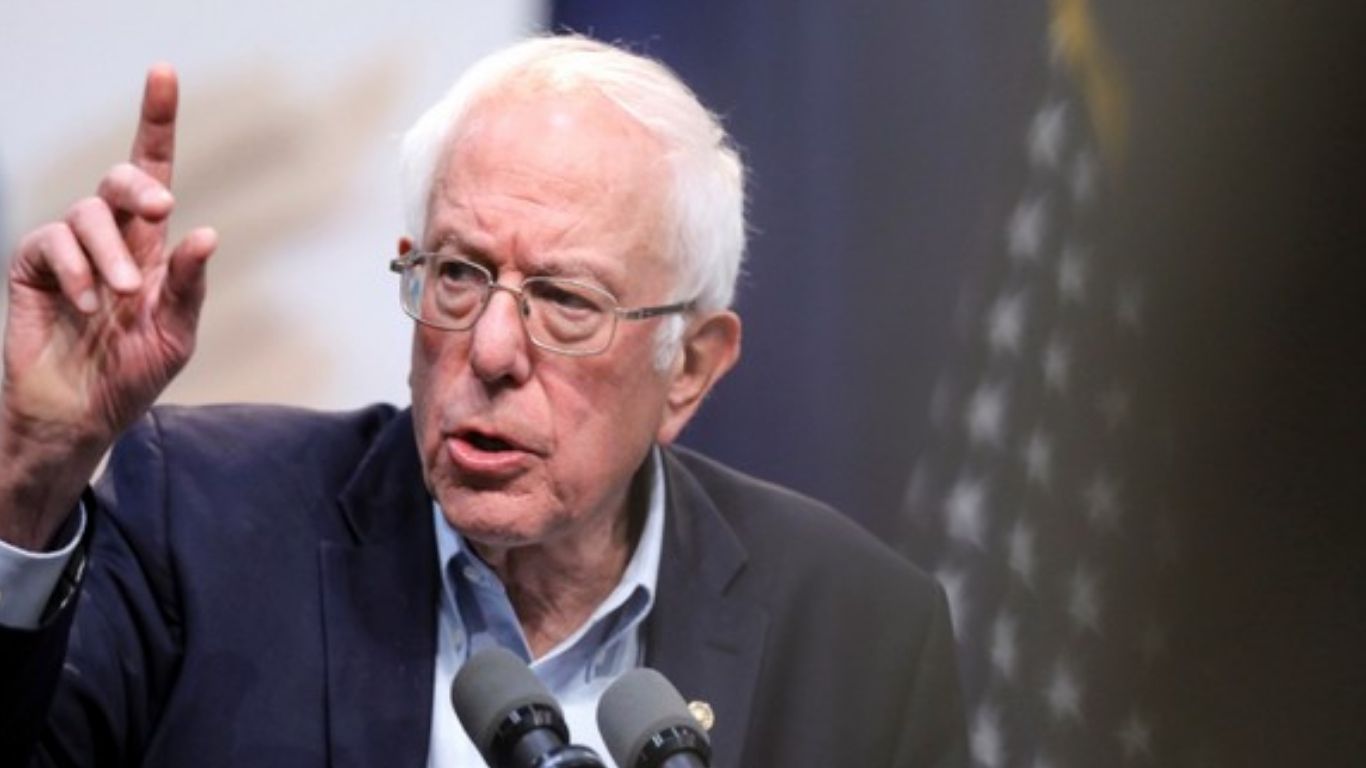
WASHINGTON (Diya TV) — Sen. Bernie Sanders unveiled a proposal Monday that would give Americans a direct ownership stake in some of the nation’s largest artificial intelligence companies, arguing that the public deserves to share in the wealth created by AI technology.
The Vermont independent said he plans to introduce the American AI Sovereign Wealth Fund Act, legislation that would require major AI firms to transfer 50% of their equity to a federally managed sovereign wealth fund. The proposal targets leading companies such as OpenAI, Anthropic, and xAI.
Sanders said AI systems rely on the work, creativity, and knowledge of millions of people. He argues that many AI companies have built their products using vast amounts of publicly available content without compensating the people who created it.
Under the proposal, the federal government would receive a one-time transfer of half the stock in qualifying AI companies. Sanders emphasized that the plan is not a profits tax. Instead, it would give Americans a direct ownership share in the businesses themselves. The government would hold voting shares and receive equal representation on company boards. This structure would give public officials a formal role in major corporate decisions. According to Sanders, the goal is to ensure that the economic gains from artificial intelligence benefit the broader public rather than a small group of investors and executives.
“AI is built on the accumulated knowledge and labor of the American people,” Sanders said in outlining the proposal. “The American people deserve a share of the profits.”
The proposed fund would generate revenue through its ownership stakes in AI companies. Sanders said the money would flow directly to Americans through cash payments. Over time, he said, the fund could also help support public programs such as health care, education, and affordable housing.
The senator pointed to successful sovereign wealth fund models around the world. He cited Norway’s government investment fund, one of the largest in the world, as well as the Alaska Permanent Fund Dividend, which provides annual payments to eligible Alaska residents. Supporters of sovereign wealth funds argue that they allow citizens to share in the value created by important national resources and industries.
Sanders noted that some technology leaders have publicly supported concepts that resemble parts of his proposal. OpenAI CEO Sam Altman has discussed creating public wealth funds tied to economic growth from artificial intelligence. Anthropic has suggested national sovereign wealth funds that hold AI-related assets. Elon Musk has also spoken about the possibility of a “universal high income” to address economic disruption caused by advanced AI systems.
However, Sanders’ proposal goes much further than those ideas. While some industry leaders have discussed sharing AI-generated wealth, none have publicly endorsed transferring half of their companies’ ownership to the government. That distinction could become a major point of debate as lawmakers and industry leaders review the proposal.
Several key questions remain unanswered as Sanders prepares the legislation. One major issue involves profitability. Many leading AI companies continue to spend heavily on research, infrastructure, and expansion. OpenAI, for example, has reported significant losses during much of its history despite rapid growth.
A sovereign wealth fund depends on the value and performance of the assets it holds. If AI companies struggle to generate profits or fail to meet growth expectations, the fund could produce less revenue than supporters anticipate. Critics may also question whether a mandatory equity transfer would discourage investment, reduce innovation, or face legal challenges. Sanders acknowledged that the bill remains under development and that many details still need to be finalized.