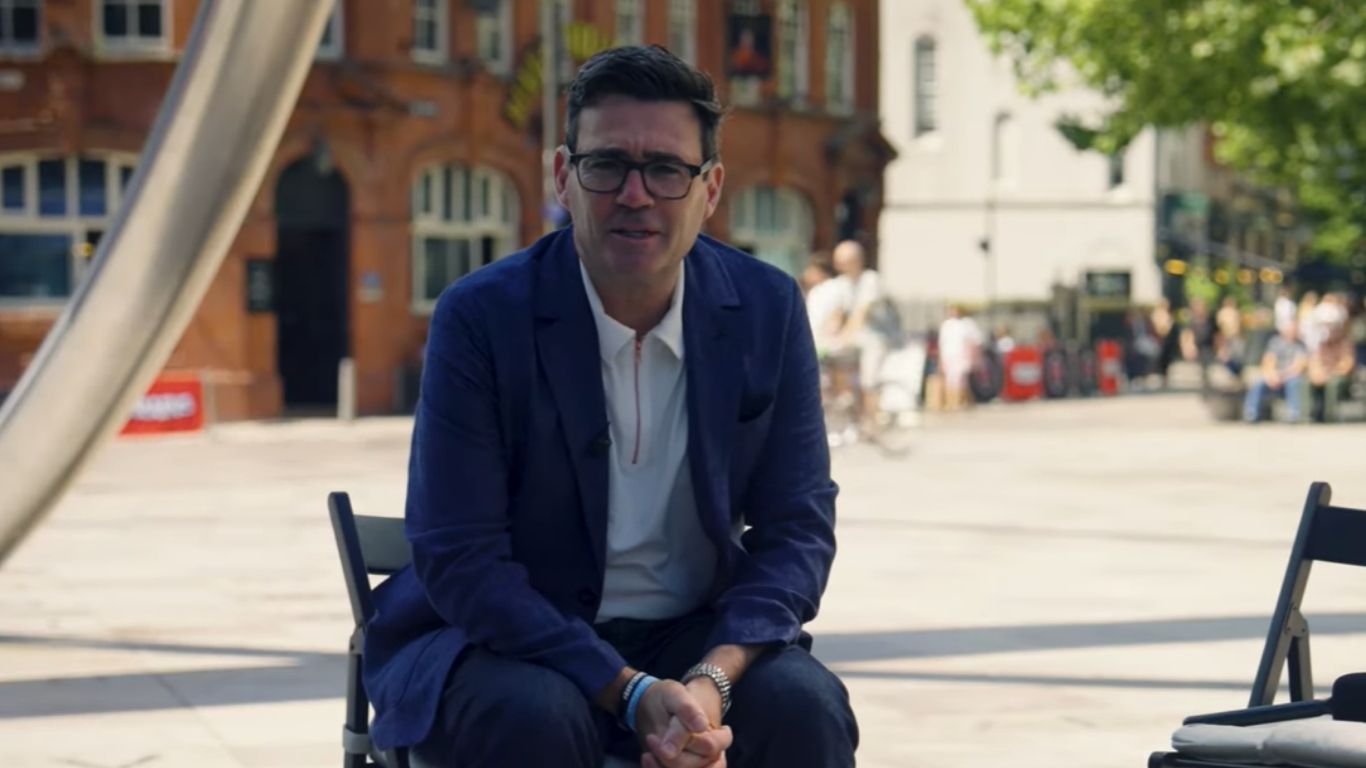
LONDON (Diya TV) — Andy Burnham became Britain’s new prime minister on Monday, taking office at a time of economic uncertainty, rising political pressure and growing public concern over the cost of living. The former Greater Manchester mayor replaced Keir Starmer, who stepped down just two years after leading the Labour Party to a sweeping election victory.
Burnham, 56, became Britain’s sixth prime minister since 2016 after King Charles III invited him to form a new government. Soon after, he prepared to deliver his first speech outside 10 Downing Street. He promised a fresh approach and said his government would focus on restoring confidence in politics and improving everyday life.
The leadership change comes after weeks of political uncertainty. Starmer announced his resignation in late June following a series of scandals, policy reversals and public criticism. As a result, Labour lawmakers quickly turned to Burnham, believing he offered the party its strongest chance to rebuild support before the next general election.
Before arriving at Downing Street, Starmer traveled to Buckingham Palace to formally submit his resignation to the king. Burnham then met King Charles III and officially accepted the responsibility of forming the next government.
Burnham told The Times that Britain needs a different direction after years of political instability. He said the country must move beyond recent turmoil and adopt policies that deliver better results for working families. He also stressed that he wants to govern more practically and stably.
During his first address as prime minister, Burnham was expected to acknowledge the public’s frustration with politics. At the same time, he planned to promise a government that listens, acts quickly and restores trust. His team said the new administration will focus on easing financial pressure on households while creating conditions for long-term economic growth.
In addition, Burnham is expected to support greater devolution by giving more decision-making power to regional communities across England. His experience as mayor of Greater Manchester has shaped many of his views on local government. Because of that background, Labour leaders believe he understands the needs of communities outside London.
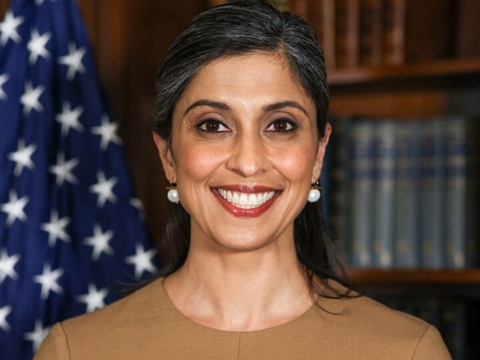
Deputy Labour Party leader Lucy Powell praised Burnham’s record in local government. She said his experience has prepared him to deliver broader and stronger reforms while keeping Labour’s election promises.
However, Burnham faces immediate challenges. Britain’s economy continues to grow slowly. Government borrowing costs remain high. The welfare bill has increased, and many families continue to struggle with rising living expenses. At the same time, irregular migration across the English Channel remains a major political issue. Those concerns have helped boost support for Nigel Farage’s Reform UK party.
International issues could also test Burnham’s leadership. Uncertain energy prices linked to the conflict involving the United States and Iran may continue to affect household budgets. Meanwhile, changing U.S. policies under President Donald Trump could create additional pressure for Britain’s economy and foreign policy.
Even so, Burnham has promised a different economic strategy. He said his government will focus on early investment and preventive policies instead of spending more money after problems grow worse. He argued that helping people succeed from the beginning will reduce long-term public costs.
Furthermore, Burnham pledged to introduce early measures to reduce the pressure of the cost-of-living crisis. During the leadership campaign, he said he repeatedly heard concerns from people struggling to manage household finances. Therefore, he wants his government to respond quickly.
One of Burnham’s first major decisions came before taking office. On Saturday, he canceled Starmer’s nationwide digital ID program, which was expected to cost about 1.8 billion pounds over three years. A spokesperson said the government will instead direct those funds toward more urgent priorities, including support for families facing higher living costs.
Attention will now turn to Burnham’s first Cabinet appointments. In particular, political observers are watching closely to see who will replace Rachel Reeves as Britain’s finance minister. The appointment could signal how Burnham plans to manage public spending while following strict fiscal rules.
Burnham previously served as a Labour lawmaker from 2001 until 2017. During that time, he held ministerial positions under former Prime Ministers Tony Blair and Gordon Brown. Later, he built a strong political profile as mayor of Greater Manchester, where supporters often called him the “King of the North.”
The next general election is expected in 2029, and recent opinion polls suggest Reform UK could become a serious challenger. Burnham has described his leadership as Labour’s “last chance” to regain public confidence.