NEW HAVEN, Conn. (Diya TV) — An Indian-origin researcher at Yale University has helped develop a powerful new artificial intelligence (AI) tool that can identify different types of cancer cells within a single tumor. The tool, called AAnet, could lead to breakthroughs in how doctors diagnose and treat cancer.
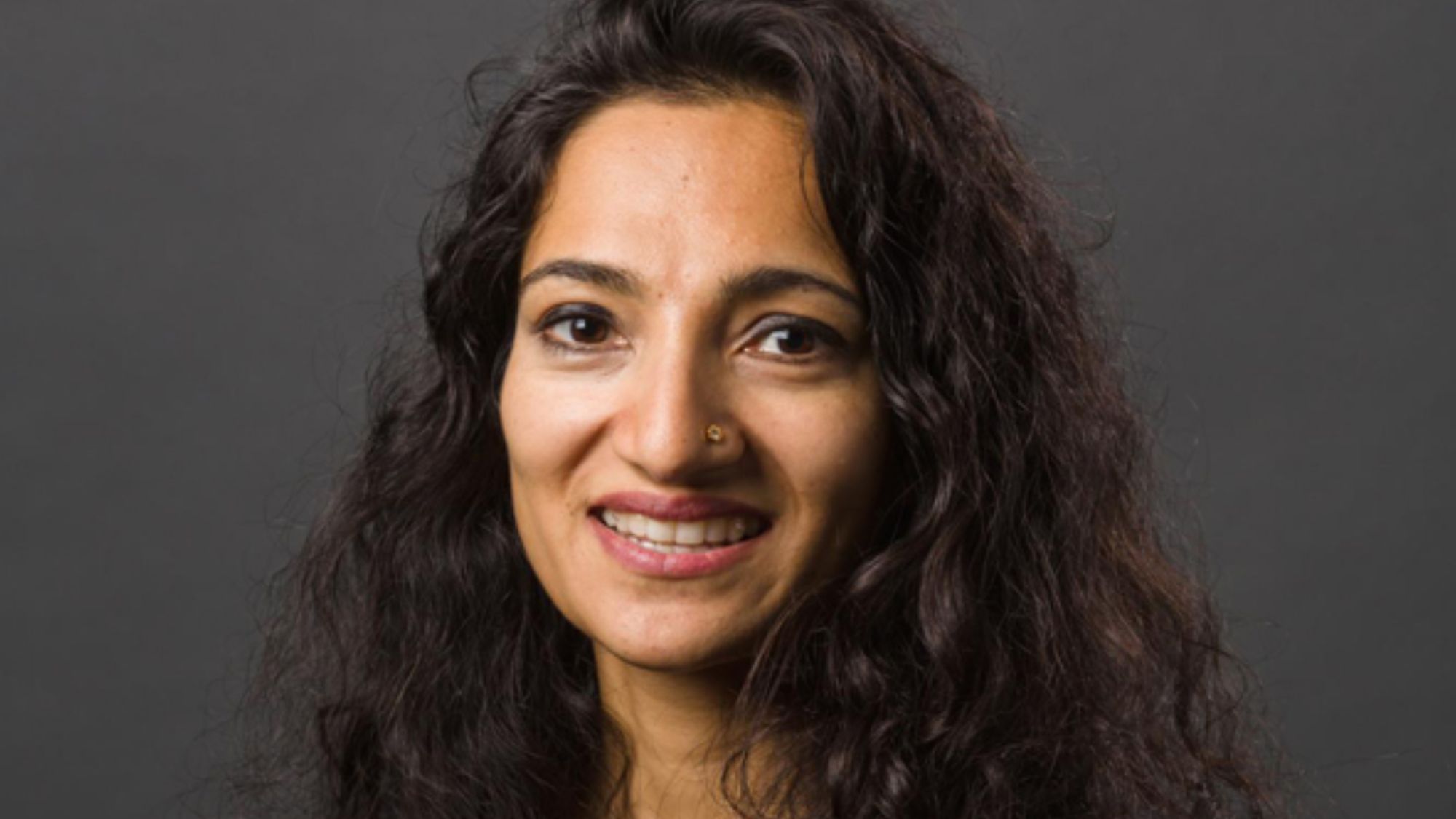
Smita Krishnaswamy, an associate professor of computer science and genetics at Yale, co-led the team behind the new technology. The findings were published June 24 in Cancer Discovery, a peer-reviewed journal focused on cancer research.
AAnet is designed to detect patterns in gene expression at the single-cell level. This helps scientists understand how different types of cells behave inside one tumor. The tool sorts these cells into five main groups known as “archetypes.”
This kind of detailed analysis has been difficult in the past. Most methods could not look at tumors with such depth. AAnet makes it possible to study cancer at a more precise level.
Krishnaswamy told Yale Engineering that AAnet represents a major step forward in decoding complex genetic data. “It simplifies massive amounts of information into something we can use to better understand cancer,” she said.
One of the biggest challenges in cancer treatment is that not all cancer cells in a tumor are the same. Some cells respond to treatment. Others do not. AAnet can help doctors tell these cells apart. By understanding the mix of cell types in a tumor, doctors may be able to tailor treatments to target each one more effectively. This can improve outcomes and reduce unnecessary treatments.
The tool also opens the door for more personalized medicine. Instead of using a one-size-fits-all approach, doctors could use a patient’s specific tumor makeup to guide therapy. AAnet uses artificial intelligence to look at patterns in gene activity. It focuses on data from single cells, rather than the tumor as a whole. This gives a much clearer picture of what is happening inside the body.
The AI sorts the cells into five archetypes. These groups are based on how the cells behave and what roles they play in the tumor. By mapping these types, researchers can better predict how the cancer will grow or respond to treatment. This method of analyzing gene expression is not just more detailed — it is also faster and more accurate than previous methods. It removes much of the guesswork from cancer analysis.
The development of AAnet is a big step for both AI and cancer research. It shows how technology can support scientists in understanding complex diseases. Krishnaswamy’s work also highlights the growing role of machine learning in health care. As AI tools become more advanced, they offer new ways to detect disease earlier and treat it more effectively.
AAnet is not only a scientific tool. It is a roadmap for future cancer research. It can guide studies on how tumors form, change, and resist treatment over time.
With tools like AAnet, researchers hope to make cancer treatment smarter and more precise. Patients could benefit from faster diagnoses, fewer side effects, and better chances of recovery.
Krishnaswamy said the ability to simplify and organize complex data could transform how scientists think about cancer. “This is a leap in how we study cancer cells,” she said. “It gives us a better chance to understand and treat them.”