WASHINGTON (Diya TV) — The White House has announced a sweeping plan to shut down the U.S. Department of Education, setting off a national debate over how schools will operate without a central federal agency. The Trump administration says the move will give states more control and improve academic results. Many state and local officials argue that it will create confusion and slow down support for schools that already struggle with low test scores.
The Trump administration unveiled the plan this week, calling it a “hard reset” for American education. Federal officials say closing the Education Department will free schools from strict federal oversight. They also say shifting responsibilities to other agencies will give states more flexibility in how they use federal money.
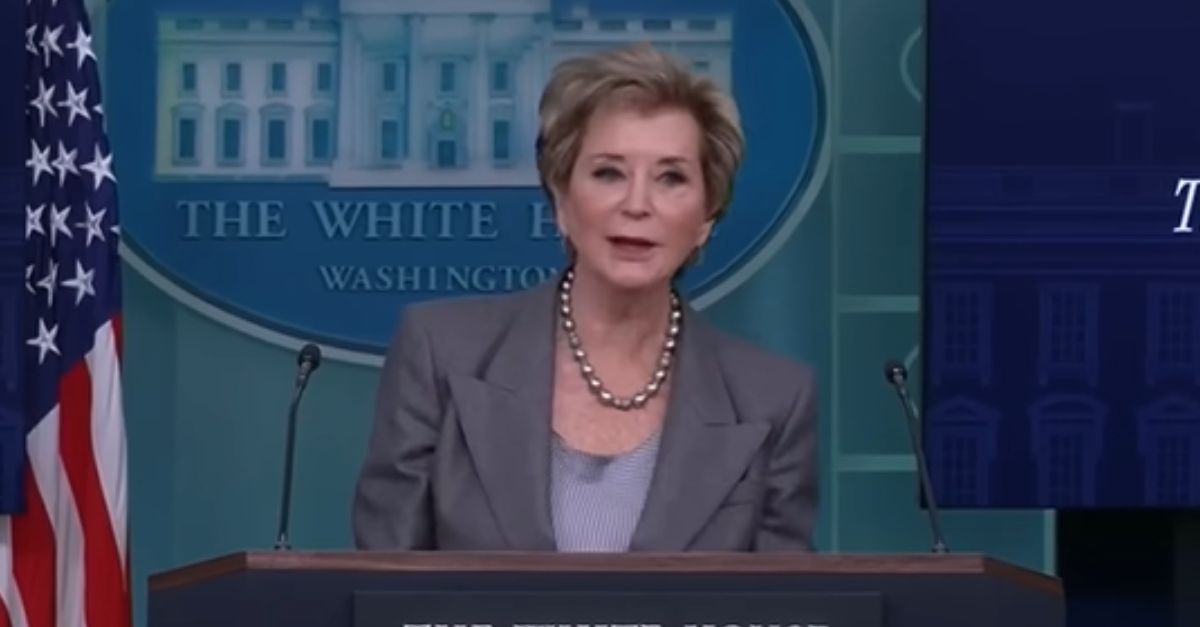
Education Secretary Linda McMahon promised that school districts will continue receiving federal funding. She said the change will cut federal “micromanagement” and allow states to design programs that better meet local needs. But she also acknowledged that only Congress can formally abolish the department. Until then, it will enter what she called a temporary “federal limbo.”
Under the plan, the Labor Department will take over most federal school funding and support, including Title I, the nation’s largest K–12 grant program. The Health and Human Services, State, and Interior departments will absorb other major programs.
The scale of the transfer is larger than any past agreement. Many school leaders fear the shift could disrupt core services for low-income students, English learners, and homeless youth. Several states say they were not consulted and warn that the move adds layers of bureaucracy, not fewer.
Washington state’s education chief said the plan will “undoubtedly create confusion and duplicity.” California’s top education official called the structure “clearly less efficient.” Maryland’s superintendent noted major challenges in coordinating programs across multiple agencies.
Many state superintendents say the Education Department provides vital policy guidance. They rely on federal experts who help clarify complex rules on spending, special education laws, and program requirements. Without these staff members, they say schools may not know how to properly use federal funds.
David Law, superintendent of Minnetonka Public Schools and president of a national superintendents group, warned that schools may delay services if they cannot get clear answers. He said districts often depend on the department’s hotline to avoid mistakes that could cost them funding.
Some local leaders worry that the Labor Department lacks the experience to oversee K–12 programs. Former Labor officials say the agency has far less capacity to manage programs that serve millions of students.
Reaction is breaking along party lines, but not all Republicans support the plan. Sen. Lisa Murkowski of Alaska said moving education programs to agencies without strong policy expertise could hurt students. Margaret Spellings, who served as education secretary under President George W. Bush, said the plan distracts from the nation’s academic crisis. She warned that shifting programs between agencies will not reduce bureaucracy and may make the system harder to navigate.
Democrats argue the shakeup will harm vulnerable students and strip away long-standing federal protections. They note that Congress created the Education Department in 1979 to unify programs that were once scattered across several agencies. Rep. Bobby Scott of Virginia said dispersing programs again will lead to “fragmented” and inconsistent federal policies.
The plan comes at a time when U.S. test scores are at their lowest levels in years. Reading scores have stagnated for decades, and math scores dropped sharply after the COVID-19 pandemic. McMahon says those results show the federal department has failed.
But many educators say the new plan raises more questions than answers. They point to major unknowns about staffing, funding rules, and agency coordination. School districts in states like Massachusetts, which rely heavily on federal dollars, say they are bracing for new regulations that could affect services for thousands of students.
The full impact of the restructuring may not be clear for months. For now, school leaders across the country say they face deep uncertainty as the federal government begins one of the largest education shakeups in modern history.