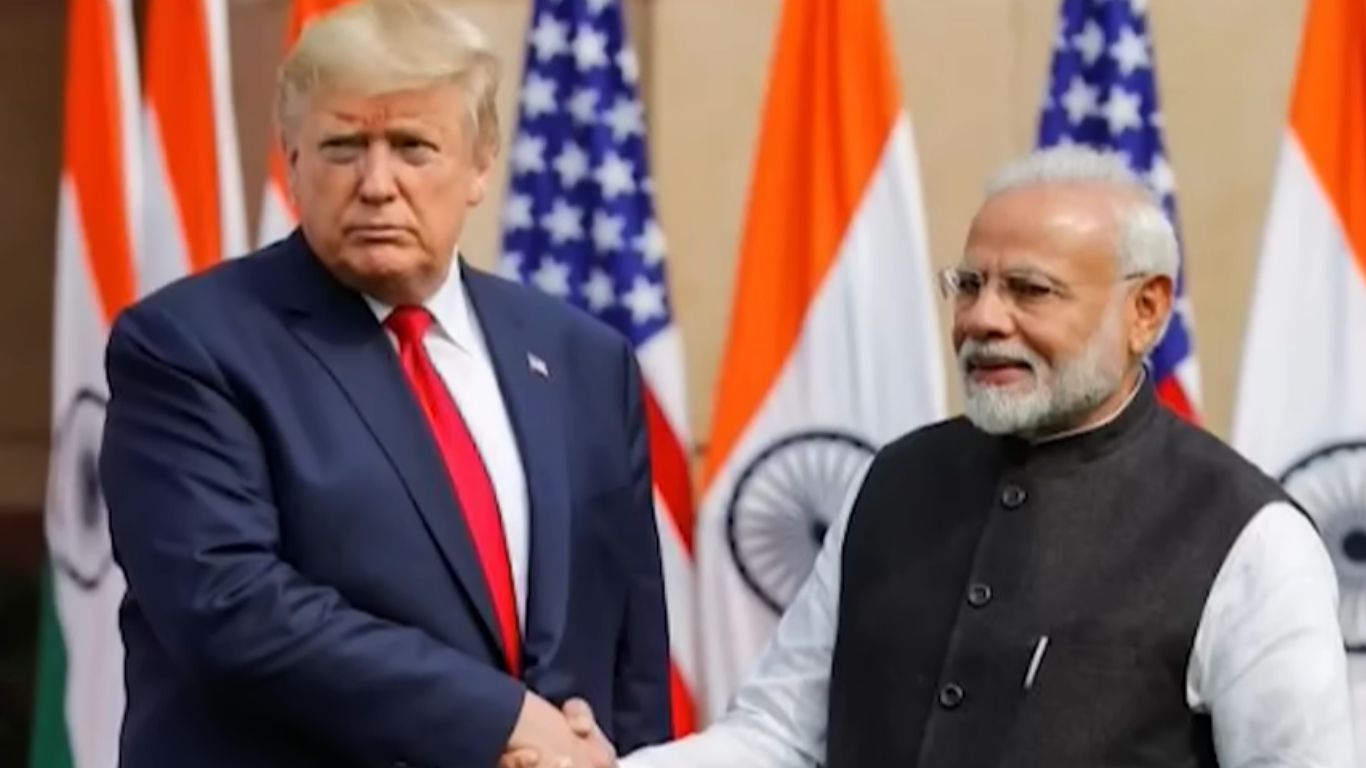
WASHINGTON (Diya TV) — Negotiators from India and the United States are racing against time to secure an interim trade agreement as tariff tensions rise. The latest round of India-US trade talks is set to conclude on Wednesday, but key issues remain unresolved. Officials on both sides want more clarity before the U.S. government moves forward with new tariffs under Section 301. The urgency stems from a looming policy shift tied to Donald Trump’s trade strategy. If negotiators fail to finalize the agreement, tariffs on Indian goods could rise above 18%, experts warn. That could strain the growing economic relationship between the two countries.
Trade experts say the current talks carry significant weight. Mark Linscott, a senior adviser at the US India Strategic Partnership Forum and former U.S. trade negotiator, stressed the urgency.
“The stakes are high in this negotiating round,” Linscott said. “Time is running out to conclude the interim agreement before new tariffs are announced.”
Negotiators aim to avoid a sharp tariff hike that could disrupt trade flows. The two countries have expanded economic ties in recent years, especially in energy, technology, and manufacturing sectors.
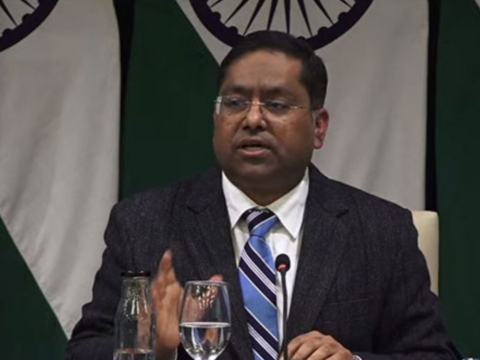
The Indian delegation, led by Darpan Jain, met U.S. officials headed by Brendan Lynch earlier this week. Discussions began Monday and continue through Wednesday. Officials describe the talks as constructive but incomplete. One official said continued dialogue itself marks progress. However, India seeks clearer signals from Washington about future tariff plans. Both sides want to maintain momentum. They also want to protect the broader trade partnership from sudden policy changes.
The current uncertainty follows a major legal development. In February, the U.S. Supreme Court struck down sweeping reciprocal tariffs imposed by the Trump administration. The ruling removed the legal basis for a planned tariff structure that would have capped rates at 18%. Before the ruling, the U.S. had agreed to reduce tariffs on Indian imports from a combined 50% to 18%. That move aimed to give India a competitive edge over countries like China.
India also made commitments under the proposed framework. It agreed to lower tariffs on several goods and signaled plans to import $500 billion worth of U.S. products. These purchases would focus on energy, defense, and advanced technology. The court’s decision disrupted that plan and forced both sides back to the negotiating table.
After the ruling, the U.S. government invoked Section 122 of the Trade Act of 1974. This provision allows temporary tariffs of up to 15% for a limited period. The measure applies to imports from all countries and will expire in July. At the same time, Washington launched investigations under Section 301. These probes target what the U.S. describes as unfair manufacturing practices, including excess industrial capacity. India is among 16 economies under review.
Section 301 gives the U.S. broad authority to impose tariffs. Unlike Section 122, it does not set limits on tariff rates or timelines. However, it requires a formal process, including public hearings. The U.S. has used Section 301 before, most notably in trade actions against China. Those tariffs reached 25% and remain in place.
Officials say an interim deal could shield India from Section 301 tariffs. However, the timeline is tight. Negotiators must reach an agreement before the U.S. announces new measures. The outcome of this round could shape the future of India-US trade relations. A deal would bring stability and boost investor confidence. Failure could lead to higher tariffs and renewed uncertainty.
Both countries see strong economic ties as a priority. Yet they must balance domestic interests with global trade pressures. As the deadline approaches, the focus remains on finding common ground. For now, the talks continue, with both sides pushing for a breakthrough before time runs out.