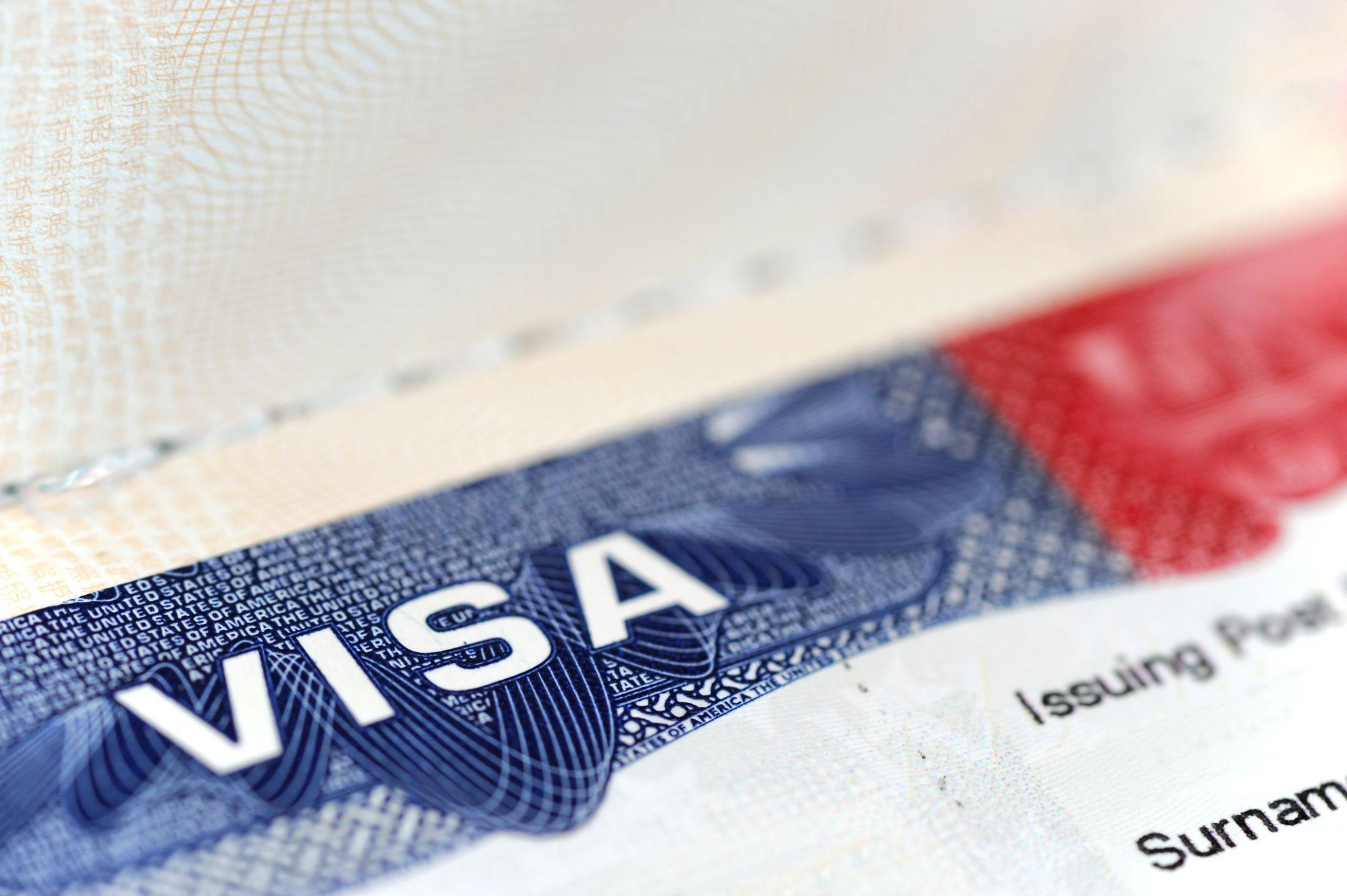
WASHINGTON (Diya TV) — Legal immigration to the United States has dropped sharply in recent years, with steep declines in student and work visas, according to a new study. The report highlights a broad slowdown that affects universities, businesses, and families.
A study by the Cato Institute found that cuts to legal immigration outpaced the decline in illegal border crossings. Legal entries accounted for nearly 72% of the overall drop in inflows. This trend signals a wider shift in U.S. immigration policy. The report said legal immigration fell about 2.5 times more than illegal crossings during the administration of former President Donald Trump.
International student visas recorded a major decline. Approvals fell by about 40% during peak summer months, when most students apply. A temporary suspension of visa processing during a critical period drove much of this decrease.
Authorities increased scrutiny of applicants from certain countries. At the same time, enforcement actions targeting visa holders and institutions added uncertainty. These changes affected enrollment cycles at U.S. colleges and universities. Many schools rely on international students for tuition revenue and campus diversity.
The report found that H-1B visa issuances dropped by about 25%. Employers faced higher costs when hiring workers from outside the United States. A new fee for overseas hires discouraged many companies from filing petitions. As a result, applications for skilled workers fell sharply.
The H-1B program supports industries like technology and engineering. Companies use it to fill specialized roles. A drop in approvals could slow hiring and delay projects. Experts expect the full impact to unfold over time. Visa cycles often take months or years to adjust. Businesses may need to rethink hiring strategies if restrictions remain.
The decline extends beyond students and skilled workers. The study found reductions across several legal immigration categories. Refugee admissions dropped after program limits and lower caps took effect. Asylum seekers also faced new barriers. Policy changes restricted access at official border entry points.
Fewer visas went to spouses and fiancés of U.S. citizens. These changes disrupted family reunification for many applicants. Country-based visa bans and program suspensions contributed to the overall decline. These measures reduced the number of people who could enter legally.
The report noted that illegal border crossings had already started to decline before recent policy changes. While crossings fell further, the trend did not begin with new enforcement efforts alone. Earlier declines accounted for a large share of the reduction. This suggests that current policies continue an existing pattern rather than reversing it.
Experts say reduced legal immigration could have long-term effects. Universities may lose international talent and revenue. Businesses may struggle to find skilled workers. Legal immigration plays a key role in economic growth. Students often join the workforce after graduation. Skilled workers support innovation and fill labor gaps. Fewer legal pathways may also push some applicants to seek other countries like Canada and Australia, who compete for the same talent pool.