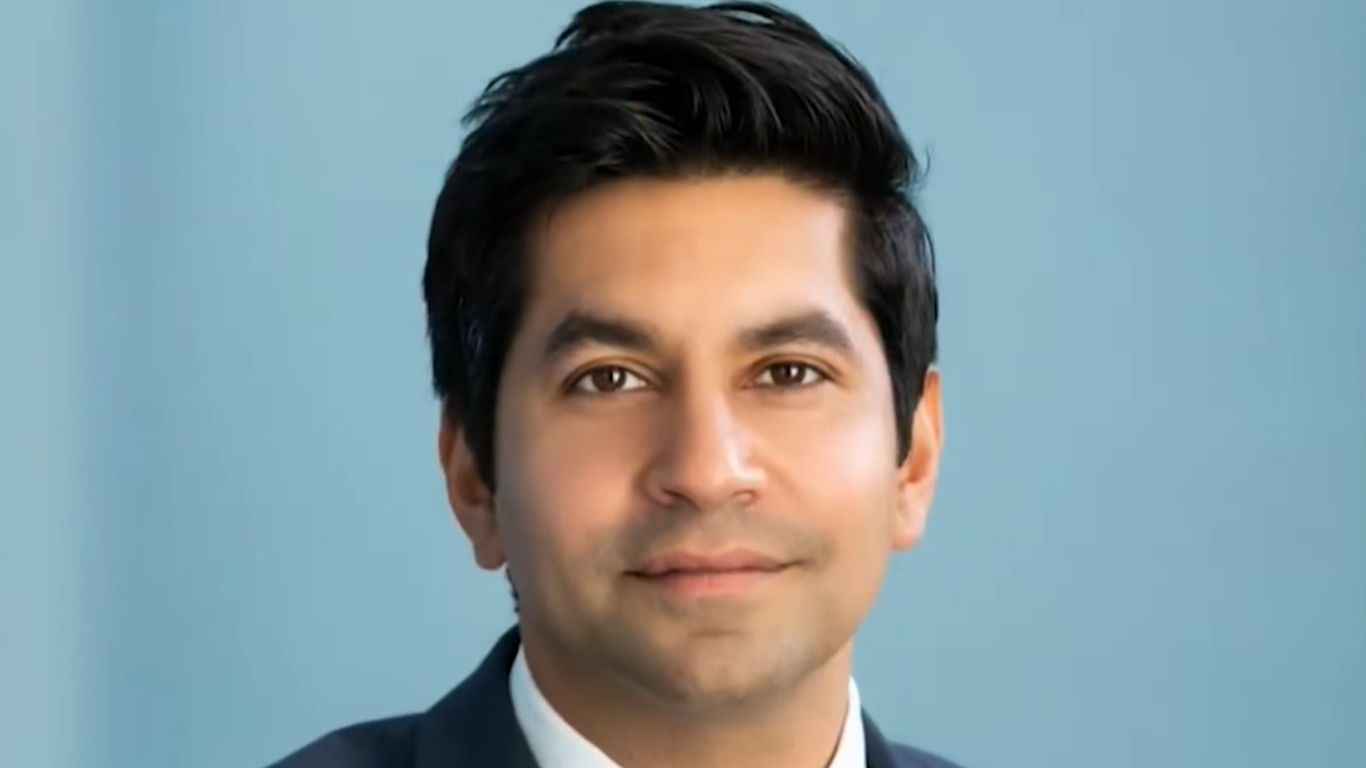
LONDON (Diya TV) — An influential adviser to Keir Starmer held 16 previously undisclosed meetings with top U.S. tech executives, raising fresh questions about transparency and corporate influence in British policymaking. The adviser, Varun Chandra, met leaders from major technology firms, including Google, Microsoft, Amazon, Apple, Meta, and Oracle, between October 2024 and October 2025. Officials did not publicly disclose these meetings at the time.
Records obtained through freedom of information requests show Chandra discussed artificial intelligence, regulatory policy, and trade issues with executives. In at least one case, he offered to help arrange direct access to the prime minister. Chandra serves as Starmer’s chief business adviser and also acts as a U.S. trade envoy. His role places him at the center of the government’s push to attract investment from Silicon Valley. Critics say the lack of disclosure creates an accountability gap.
Unlike ministers or senior civil servants, political advisers in the U.K. do not have to publish details of their meetings with private companies. Civil servants record these interactions internally, but the public rarely sees them. Transparency advocates warn that this system allows lobbying to occur without scrutiny. Advocacy groups argue that undisclosed meetings risk giving large corporations outsized influence over public policy.
A spokesperson for Downing Street defended Chandra’s work. The spokesperson said engaging with businesses is a core part of his role and helps drive economic growth. Officials credit Chandra with helping secure a U.K.-U.S. trade agreement and attracting significant investment commitments from American companies. The government believes partnerships with tech firms will boost innovation and create jobs.
The meetings occurred as the government developed policies to support AI development. These policies include subsidies for energy use and fast-track planning approval for new data centers in designated “AI growth zones.” Artificial intelligence remained a central topic in many discussions. Executives raised concerns about infrastructure, energy costs, and the regulatory environment in the U.K.
Government leaders hope AI investment will strengthen the economy. They point to pledges worth billions of pounds from U.S. firms. However, some analysts question the scale of those commitments. Reports suggest some projects labeled as new investments may rely on existing facilities.
Regulation also played a key role in the talks. Tech companies have pushed for fewer restrictions and faster approvals. Chandra reportedly discussed removing barriers to business with multiple executives. On one day in early 2025, Chandra met Apple representatives while Rachel Reeves announced a broader regulatory overhaul. The government later replaced the head of the Competition and Markets Authority, a move seen by some as easing pressure on large tech firms.
Chandra’s meetings also touched on global political developments. He spoke with Microsoft Vice Chair Brad Smith about the priorities of Donald Trump during his second administration. These discussions reflect the growing overlap between technology, trade, and geopolitics. Governments increasingly rely on tech companies for investment and innovation. At the same time, those companies seek favorable regulatory environments.
Critics argue that private meetings between government advisers and corporate leaders should face stricter oversight. They say transparency builds trust and prevents conflicts of interest. Supporters of the current system counter that confidential discussions help governments negotiate effectively and attract investment. They argue that business engagement remains essential in a competitive global economy.
Chandra, a former corporate intelligence executive, remains a key figure in shaping the U.K.’s economic strategy. His access to both political leaders and business executives gives him significant influence.